English
 中文简体
中文简体 Español
 عربى
عربى
News
Content
- 1 What Is Compact Spinning
- 2 How Compact Spinning Technology Works
- 3 Performance Advantages Over Conventional Ring Spinning
- 4 Applications in Textile Manufacturing
- 5 Economic Considerations and Return on Investment
- 6 Fiber Compatibility and Processing Guidelines
- 7 Maintenance and Operational Challenges
- 8 Future Developments and Industry Trends
What Is Compact Spinning
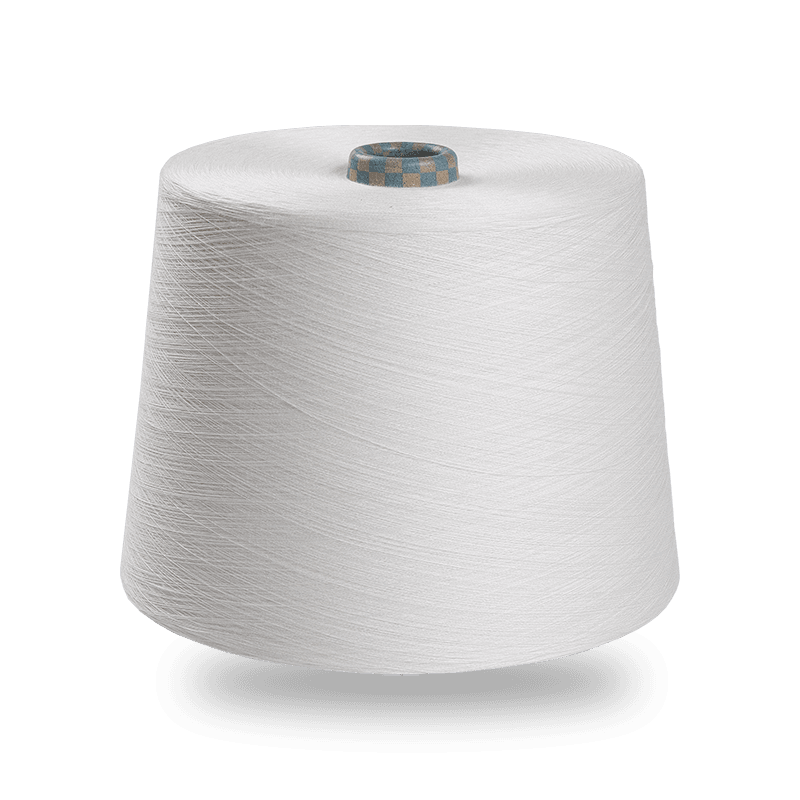
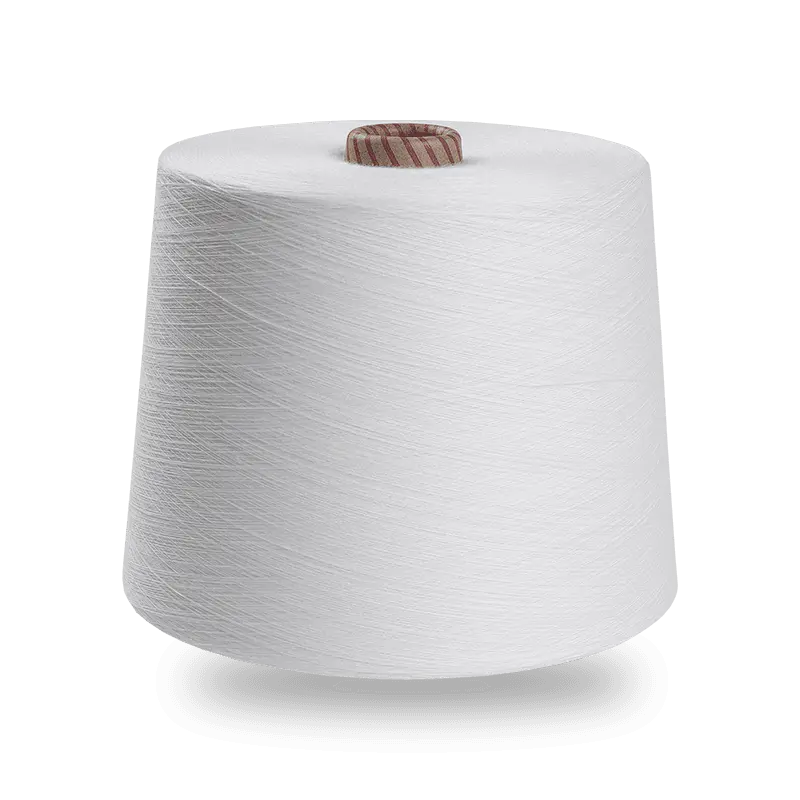
Compact spinning is an advanced yarn manufacturing technology that modifies the conventional ring spinning process by condensing the fiber strand immediately before twist insertion. This results in yarns with significantly improved physical properties, including higher strength, reduced hairiness, and enhanced evenness compared to traditional ring-spun yarns.
The technology was developed in the 1990s and has since become a standard in premium textile production. Unlike conventional ring spinning where fibers form a triangular spinning zone with loose edge fibers, compact spinning uses pneumatic or mechanical systems to compress the fiber bundle into a narrower, more parallel arrangement before the final twist is applied. This fundamental change in fiber configuration delivers measurable improvements across multiple yarn characteristics.
How Compact Spinning Technology Works
The compact spinning process integrates a condensing zone between the drafting system and the twisting point, fundamentally altering the fiber arrangement mechanism.
The Condensing Mechanism
After exiting the front roller of the drafting system, fibers enter a specialized condensing zone where they are subjected to controlled suction through a perforated drum or apron system. This negative air pressure draws the fiber strand together, eliminating the triangular spinning zone characteristic of conventional ring spinning. The condensed fiber bundle, now with reduced width of approximately 2-4mm compared to 10-15mm in traditional systems, then receives twist insertion at the spinning triangle point.
Key System Components
- Perforated condensing drum or lattice apron
- Pneumatic suction system generating controlled airflow
- Modified drafting zone with optimized fiber guidance
- Specialized cleaning and maintenance systems for suction components
Performance Advantages Over Conventional Ring Spinning
Compact spinning delivers quantifiable improvements across critical yarn performance parameters, making it the preferred choice for high-quality textile applications.
| Performance Parameter | Conventional Ring Spinning | Compact Spinning | Improvement |
|---|---|---|---|
| Yarn Strength | Baseline (100%) | 110-120% | +10-20% |
| Yarn Hairiness | Baseline (100%) | 30-50% | -50-70% |
| Abrasion Resistance | Baseline (100%) | 115-130% | +15-30% |
| Pilling Tendency | Grade 3-3.5 | Grade 4-4.5 | +1 grade |
Strength and Durability Benefits
The parallel fiber arrangement in compact yarns ensures that more fibers contribute effectively to load-bearing capacity. Studies demonstrate that compact yarns exhibit 10-20% higher tenacity compared to conventional ring-spun equivalents at identical twist levels. This strength increase allows manufacturers to reduce twist by approximately 10-15%, resulting in softer fabrics without compromising durability.
Reduced Hairiness Impact
Hairiness reduction represents one of the most dramatic improvements. Compact yarns show 50-70% reduction in S3 hairiness values (fibers longer than 3mm), which directly translates to reduced pilling, improved fabric appearance, and enhanced weaving or knitting efficiency. For denim manufacturers, this means fewer production stops for cleaning and lower risk of defects.
Applications in Textile Manufacturing
Compact spinning technology has found widespread adoption across multiple textile sectors where quality, performance, and efficiency are paramount.
Premium Apparel Fabrics
High-end shirting, suiting, and dress fabrics represent the largest application segment. Compact yarns enable manufacturers to produce fabrics with superior drape, luster, and surface smoothness while maintaining excellent colorfastness. Luxury brands specify compact-spun yarns for their premium collections, where fabric hand and longevity justify the additional cost.
Denim Production
The denim industry has embraced compact spinning for both warp and weft yarns. The reduced hairiness decreases sizing requirements by 15-25%, lowering production costs and environmental impact. Additionally, compact denim exhibits improved wash fastness and consistent fading patterns, crucial attributes for premium denim brands.
Home Textiles
Bed linens, towels, and upholstery fabrics benefit from compact yarn's enhanced abrasion resistance and reduced pilling. Testing shows that bedding made from compact yarns maintains fabric appearance ratings 20-30% longer than conventional alternatives under identical laundering conditions.
Technical Textiles
Applications requiring dimensional stability, high strength-to-weight ratios, and minimal surface defects increasingly specify compact yarns. Medical textiles, automotive interiors, and protective fabrics utilize compact spinning to meet stringent performance standards.
Economic Considerations and Return on Investment
While compact spinning systems require additional capital investment, the technology delivers multiple economic advantages that justify the initial expense.
Investment Requirements
Retrofitting existing ring spinning machines with compact spinning attachments costs approximately $800-1,200 per spindle position, depending on the system type and manufacturer. New integrated compact spinning machines command a 20-30% premium over conventional equipment.
Cost Savings and Revenue Benefits
- Sizing chemical reduction: 15-25% lower consumption in weaving preparation
- Reduced downstream processing: Elimination or simplification of singeing operations
- Higher production efficiency: 5-8% improvement in weaving/knitting speed due to reduced breaks
- Premium pricing: 8-15% higher selling price for compact-spun yarns and fabrics
Case studies from integrated textile mills demonstrate payback periods of 18-36 months depending on product mix, production volume, and market positioning.
Fiber Compatibility and Processing Guidelines
Compact spinning technology adapts to various fiber types, though performance optimization requires specific adjustments for different raw materials.
Cotton Processing
Cotton represents the most common application, with compact spinning delivering optimal results for staple lengths between 28-38mm. Medium-staple cotton benefits most dramatically, showing improvements comparable to long-staple varieties when processed through compact systems. Micronaire values between 3.5-4.5 provide the best condensing efficiency.
Synthetic and Blended Fibers
Polyester, polyester/cotton blends, and regenerated cellulosic fibers process successfully through compact spinning systems. Synthetic fibers' lower friction coefficients require adjusted suction parameters to achieve optimal condensing. Blends containing 30-70% synthetic content demonstrate excellent yarn quality improvements while maintaining cost competitiveness.
Specialty Fibers
Wool, silk, and premium long-staple cotton achieve exceptional results with compact spinning. Fine merino wool yarns show enhanced luster and reduced prickle factor, while silk compact yarns exhibit improved uniformity and reduced slippage in fabric construction.
Maintenance and Operational Challenges
Successful compact spinning operations require attention to specific maintenance protocols and operational parameters that differ from conventional ring spinning.
Critical Maintenance Points
- Suction system cleaning: Daily removal of fiber accumulation from perforated surfaces
- Air pressure monitoring: Maintaining consistent vacuum levels within ±5% of specification
- Condensing element replacement: Scheduled replacement every 12-18 months depending on usage
- Drafting system precision: Enhanced attention to roller setting and surface condition
Energy Consumption
Compact spinning systems consume 8-12% additional energy compared to conventional ring spinning, primarily due to suction system operation. However, this increase is typically offset by downstream energy savings in sizing, singeing, and processing operations.
Future Developments and Industry Trends
The compact spinning sector continues evolving with technological refinements focused on efficiency, sustainability, and expanded application range.
Automation and Digital Integration
Modern compact spinning systems incorporate real-time monitoring of condensing efficiency, automated adjustment of suction parameters, and predictive maintenance algorithms. Industry 4.0 integration enables manufacturers to optimize yarn quality and production efficiency simultaneously.
Sustainability Initiatives
Environmental benefits extend beyond sizing reduction. Compact yarns enable lighter fabric constructions with equivalent performance, reducing fiber consumption per square meter. Additionally, improved yarn strength allows for reduced twist levels, lowering energy consumption during spinning operations by 3-5%.
Market Growth Projections
Global adoption of compact spinning continues expanding, particularly in emerging textile markets. Industry analysts project that compact spinning will account for 35-40% of total ring spinning capacity by 2030, up from approximately 25% currently, driven by quality demands and processing economics.