English
 中文简体
中文简体 Español
 عربى
عربى
News
Home / News / Industry News / 2026 Yarn Market: Size, Trends & Fiber Outlook for Buyers and Suppliers
Content
Global yarn trade crossed a quiet but significant threshold in 2026. After years of post-pandemic volatility, oversupply corrections, and raw material swings, the market has settled into a pattern that most industry veterans recognize: steady demand, intensifying pressure on sustainability, and a clear bifurcation between commodity counts and specialty yarns. Understanding where things stand right now matters — whether you are sourcing, spinning, or planning production capacity through the end of the decade.
The global yarn market is valued at approximately USD 38.13 billion in 2026, projected to reach USD 46.49 billion by 2031 at a compound annual growth rate of 4.04%. That growth trajectory is neither spectacular nor sluggish — it reflects a maturing industry where volume gains are incremental but value creation increasingly comes from product differentiation.
Context matters here. Capacity additions across Southeast Asia, particularly in Vietnam, Bangladesh, and Indonesia, have generated a genuine oversupply of commodity yarn counts. This has compressed margins on standard grades while simultaneously creating a structural incentive for mills to pivot toward specialty and functional yarns where pricing power remains intact. The mills that are performing well in 2026 are generally those that saw this bifurcation coming two or three years ago and invested accordingly.
For the broader market, the outlook through 2031 is supported by three structural forces: sustained apparel demand from emerging consumer markets, the accelerating shift to performance and blended yarns in home textiles, and ongoing government-backed investment in textile manufacturing parks across South and Southeast Asia. None of these are short-term catalysts — they are the floor under the market.
Fast-fashion supply chains have become structurally more demanding. Retailers now routinely expect 72-hour delivery cycles for reorder quantities, which puts enormous pressure on nearshore and onshore suppliers. For yarn manufacturers, this translates into smaller batch sizes, faster changeover requirements, and a premium on suppliers who can hold inventory and ship quickly. Lead time reliability is competing directly with price as a sourcing criterion.
Automation has also shifted the competitive landscape in a meaningful way. Large spinning mills in China and Turkey have deployed automated winding, quality inspection, and logistics systems that have reduced per-unit processing costs significantly. This allows them to absorb cotton futures volatility — which remains considerable in 2026 — without passing the full impact onto customers. Smaller mills without equivalent automation face structurally higher cost floors.
Meanwhile, government-backed investment in farm-to-spindle industrial parks across South Asia is reshaping geography. India's textile PLI (Production Linked Incentive) scheme continues to attract investment, and several new integrated spinning facilities in Pakistan and Bangladesh have come online, adding both volume and vertical integration to their domestic supply chains. These aren't marginal changes — they are fundamentally redistributing where competitive yarn production is located.
Cotton yarn holds the largest single segment at approximately 38.4% of the textile yarn market, but its dominance is slowly eroding as blended and synthetic alternatives capture share in performance and technical applications. Cotton's core strength remains in premium apparel and bedding, where consumer preference for natural fibers is durable. For an in-depth view of how cotton supply and demand are evolving, see this analysis of cotton spinning industry supply and demand dynamics.
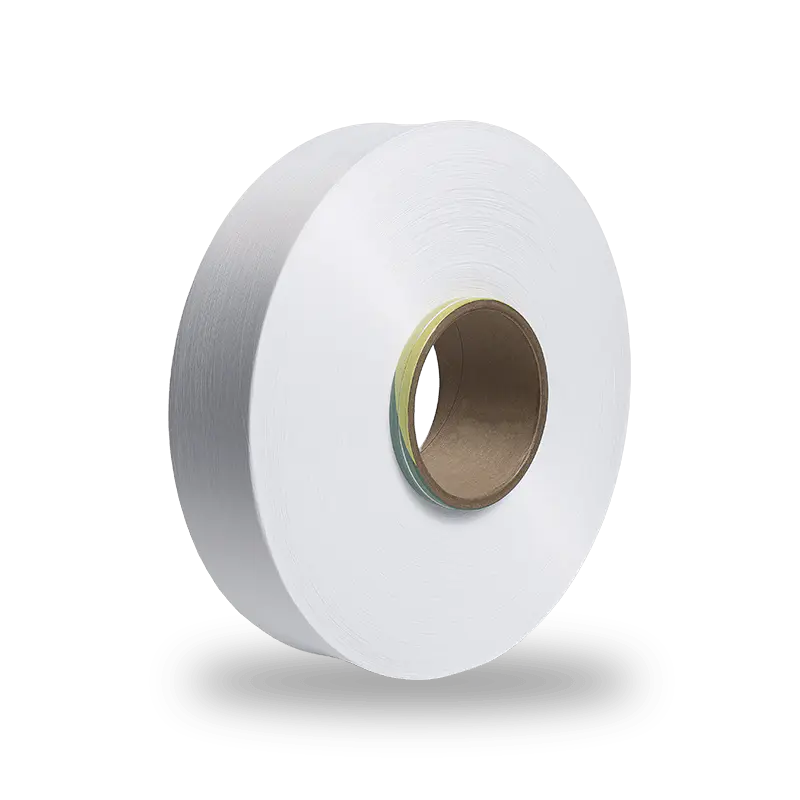
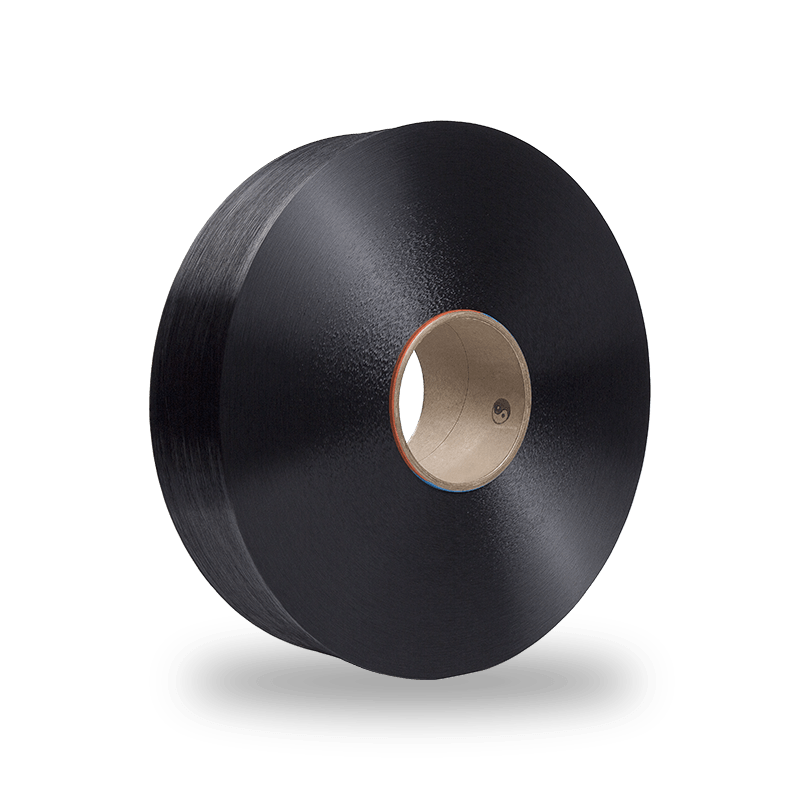
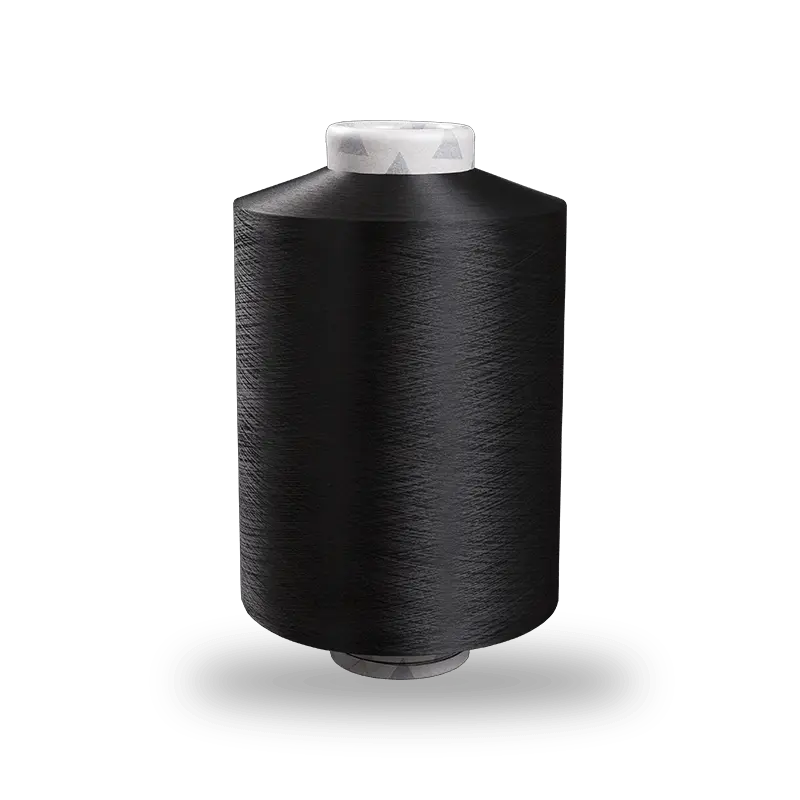
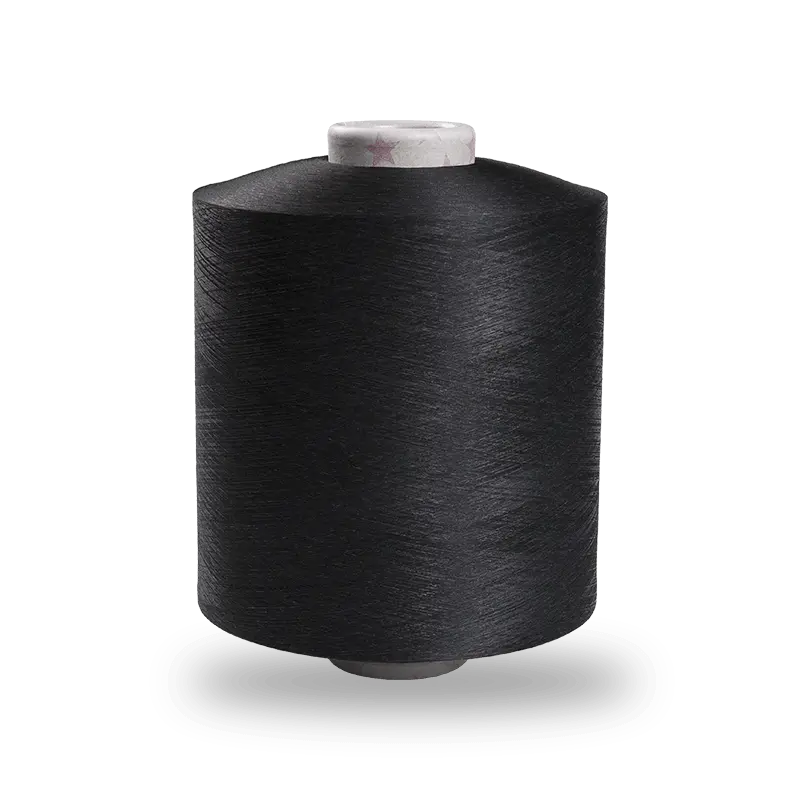
Synthetic and filament yarns — particularly nylon — are gaining ground in performance segments. Nylon's strength-to-weight ratio, abrasion resistance, and dyeability make it the preferred fiber for activewear, hosiery, intimate apparel, and technical textiles. The three primary forms of nylon filament yarn serve different positions in the production chain: fully drawn nylon yarn for apparel applications offers dimensional stability and consistent tenacity suited for direct weaving and knitting; pre-oriented nylon yarn for downstream processing is the standard feedstock for texturizing operations; and textured nylon yarn with enhanced softness and stretch delivers the comfort and bulk properties demanded by modern knitwear and performance fabrics. For a broader look at how these yarns translate into finished fabrics, this guide on the fabric applications of nylon filament yarn offers useful reference.
Regenerated cellulosic fibers — lyocell, modal, and viscose — represent the fastest-growing fiber source segment, with a projected CAGR of 6.8% through the forecast period. This growth is driven by their positioning as a bridge between natural aesthetics and scalable production, along with improving certification standards for sustainably sourced pulp feedstocks. Blended yarns combining regenerated fibers with nylon or spandex are capturing strong interest from brands seeking a soft hand feel without sacrificing performance. Spandex-covered yarn for performance and comfort textiles is increasingly specified in exactly these blended constructions, adding the stretch recovery that natural and semi-synthetic fibers alone cannot deliver.
| Fiber Type | Market Share (2025) | Growth Outlook | Primary End Use |
|---|---|---|---|
| Cotton Yarn | 38.4% | Stable | Apparel, Bedding |
| Nylon Filament | Growing | Strong | Activewear, Hosiery, Technical |
| Polyester | Largest synthetic | Moderate | Apparel, Home Textiles |
| Regenerated Cellulosic | Fastest growing | 6.8% CAGR | Premium Apparel, Blends |
| Recycled Yarns | Expanding niche | High (regulatory-driven) | Sustainable Apparel, Home |
Asia-Pacific dominates with approximately 63.5% of global textile yarn revenue in 2025, and that position is not at risk. China remains the anchor of global spinning capacity, and its mills are moving aggressively into higher-value specialty counts to defend margins as commodity spreads compress. China's textile yarn market alone was valued at over USD 27 billion in 2026. India and Vietnam are absorbing a growing share of capacity additions, particularly for cotton spinning and nylon filament processing respectively.
Europe holds a distinct position as the world's largest geography by value share — approximately 32.7% — largely due to its concentration in technical and luxury yarns. Italy's Prato district and Germany's Saxony cluster represent premium spinning competencies that command significant price premiums. European brands are increasingly willing to pay more for yarn produced under the EU's REACH chemical standards and certified against sustainable sourcing frameworks. Near-shoring trends are also expanding production in Portugal and Romania as brands seek to shorten supply chains without fully reshoring to Western Europe.
The Middle East and Africa represent the fastest-growing regional market at a projected CAGR of 6.7% through 2031. Several Gulf states are actively positioning textiles as a strategic diversification away from hydrocarbons, with infrastructure investment and favorable trade policies attracting both domestic and foreign spinning investment. In sub-Saharan Africa, Chinese green-field spinning investment is establishing new capacity that could compete in export markets within the next five years.
The sustainability shift in yarn markets has moved from aspiration to procurement requirement. 58% of manufacturers now prioritize sustainable yarn in their sourcing decisions, and 47% of global consumers actively demand eco-friendly textile materials. These are not marketing statistics — they are translating into concrete RFQ criteria, supplier qualification requirements, and contract terms.
The recycled yarn segment illustrates the scale of this shift. The global post-consumer recycled yarn market is valued at approximately USD 4.92 billion in 2026 and is projected to grow at 3.9% CAGR through 2035. Carbon-neutral fiber yarns are an even faster-moving niche, with some estimates placing their 2026-to-2035 CAGR above 11%. According to Textile Exchange's Materials Market Report 2025, recycled fibers accounted for 7.6% of global fiber production in 2024 — with the vast majority coming from recycled PET — while less than 1% currently originates from pre- and post-consumer textile waste. That gap represents both a challenge and a significant commercial opportunity for mills that invest in textile-to-textile recycling infrastructure ahead of regulatory mandates.
Regulatory pressure is accelerating adoption. The EU's Extended Producer Responsibility framework for textiles, carbon border adjustment mechanisms, and mandatory due diligence requirements for supply chains are all converging on the same outcome: yarn buyers need documented, verifiable sustainability credentials from their suppliers. Mills that cannot provide them will face qualification risk at major European and North American brands regardless of price competitiveness.
For buyers entering or expanding in 2026, a few practical realities deserve direct acknowledgment. Commodity count sourcing is a buyer's market — oversupply in standard polyester and cotton grades has created pricing flexibility, but it also means that quality differentiation at the supplier level is more important than ever. Vetting mill capabilities, certifications, and production consistency matters more than list price.
For specialty and functional yarn categories, the dynamic is reversed. Nylon filament yarns — across FDY, POY, and DTY specifications — command better margins precisely because not every mill can produce consistent quality at finer deniers or specialty counts. Buyers who have established relationships with capable nylon suppliers are in a structurally stronger position than those sourcing spot. The same logic applies to spandex-covered constructions, where the yarn structure itself is part of the finished fabric's performance specification.
For suppliers, the message from the 2026 market is straightforward: investment in automation, sustainability certification, and specialty product development is not a cost center — it is a competitive moat. Mills that can demonstrate consistent quality, traceable fiber sourcing, and responsive logistics are the ones winning long-term contracts with global brands. Those that cannot differentiate on these dimensions are competing purely on price in a market where price pressure is structurally persistent.
The 2026 yarn market rewards preparation and clarity over opportunism. Buyers and suppliers alike benefit from understanding exactly which segment of the market they are competing in — and positioning accordingly.
Nylon Draw Texturing Yarn (DTY): Process, Specs & Buying Guide
Nylon 6 Pre-Oriented Yarn: Melt Spinning from Chips Explained
+86-(0)572-6295569
+86-193 5712 3632
# 1, Fuqian Street, Si'an Town, Changxing County, Huzhou City, Zhejiang Province, China.