English
 中文简体
中文简体 Español
 عربى
عربى
News
Content
Nylon draw texturing yarn — widely known in the industry as nylon DTY — is one of the most commercially important filament yarns in modern textile manufacturing. Valued for its exceptional elasticity, soft hand feel, and broad application range, it serves as a foundational material for everything from performance sportswear to fine hosiery. This guide covers the full picture: what nylon DTY is, how it is made, how to select the right specification, and what to look for when evaluating a supplier.
What Is Nylon Draw Texturing Yarn (DTY)?
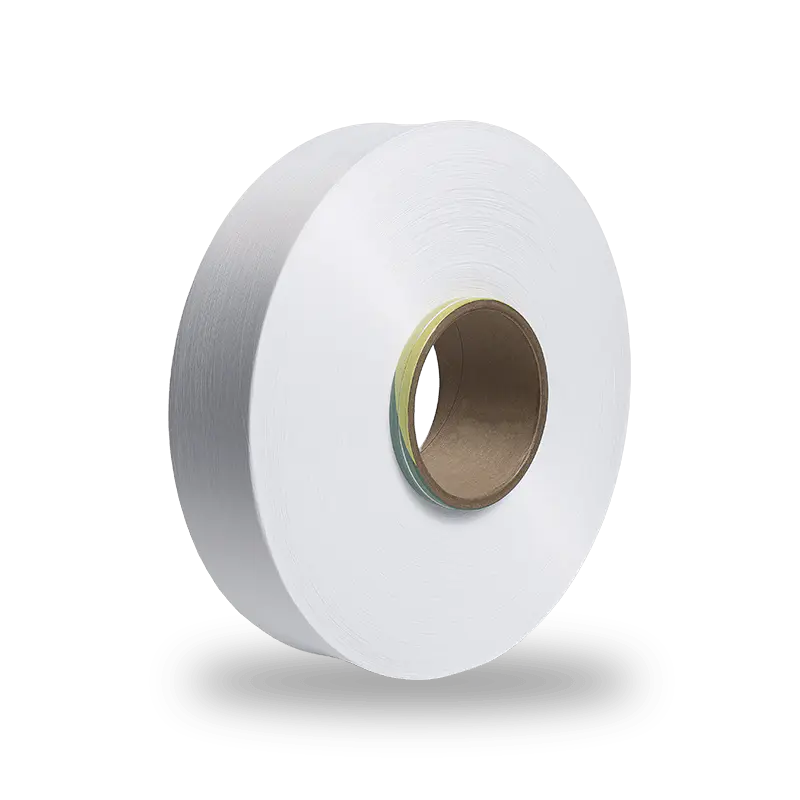
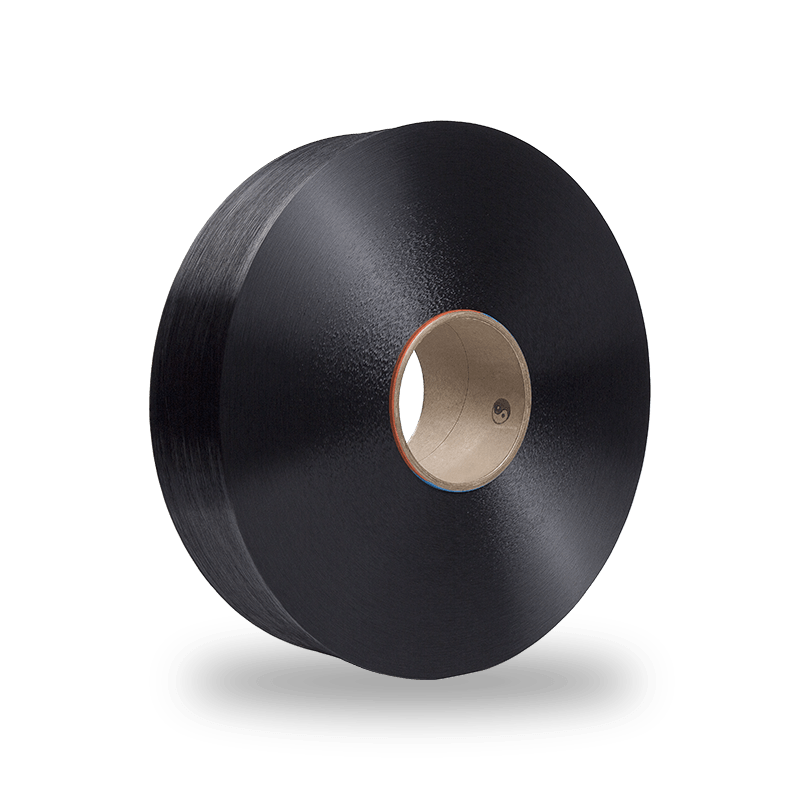
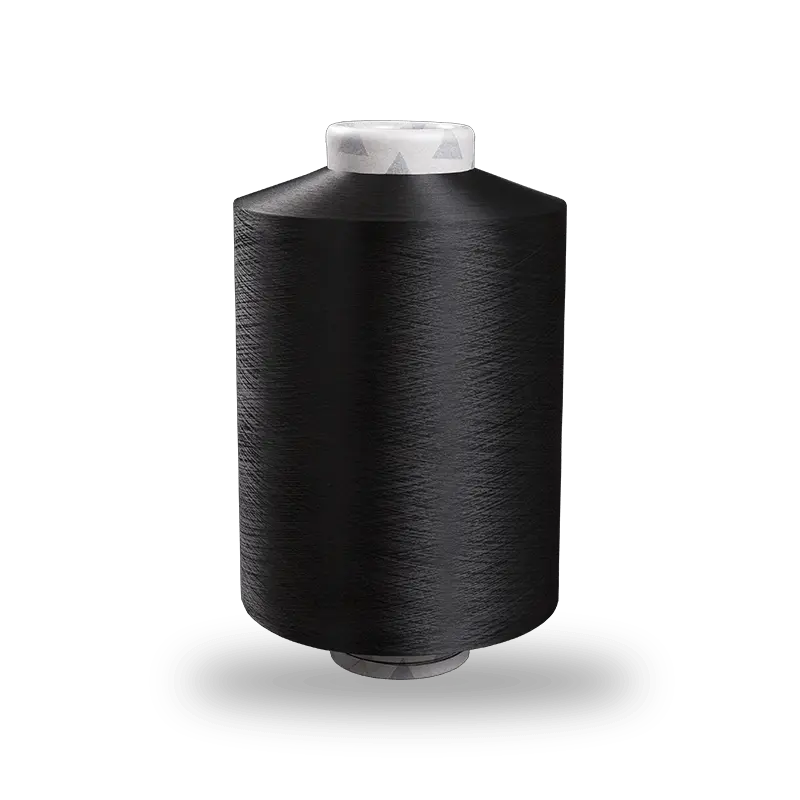
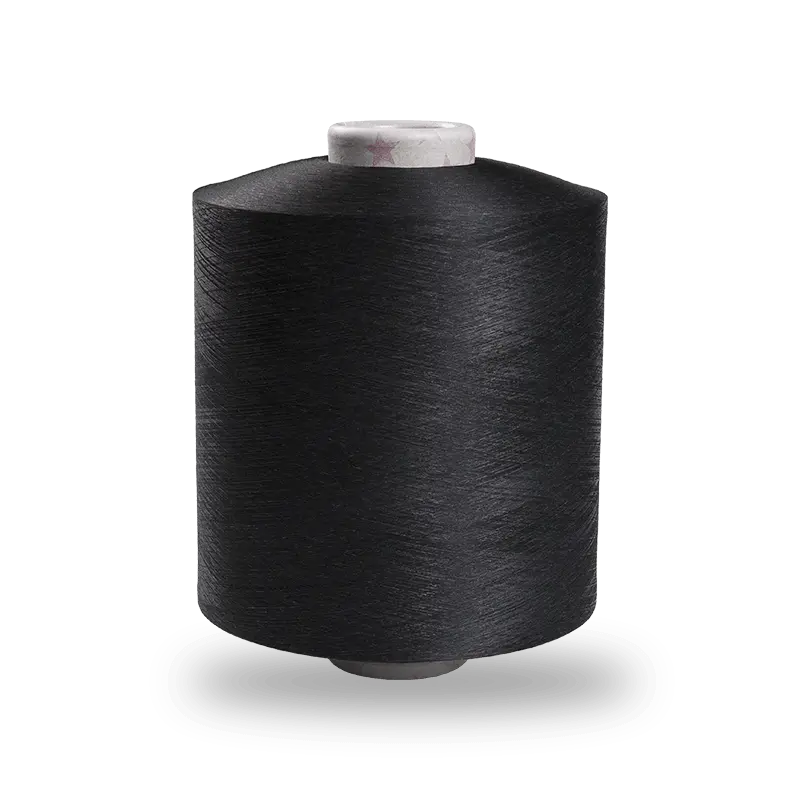
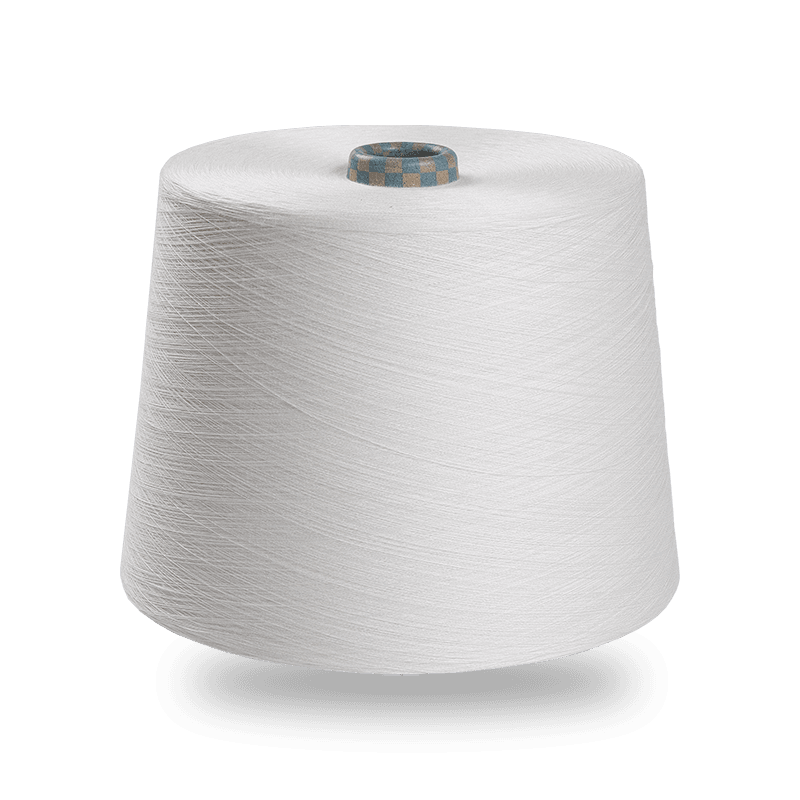
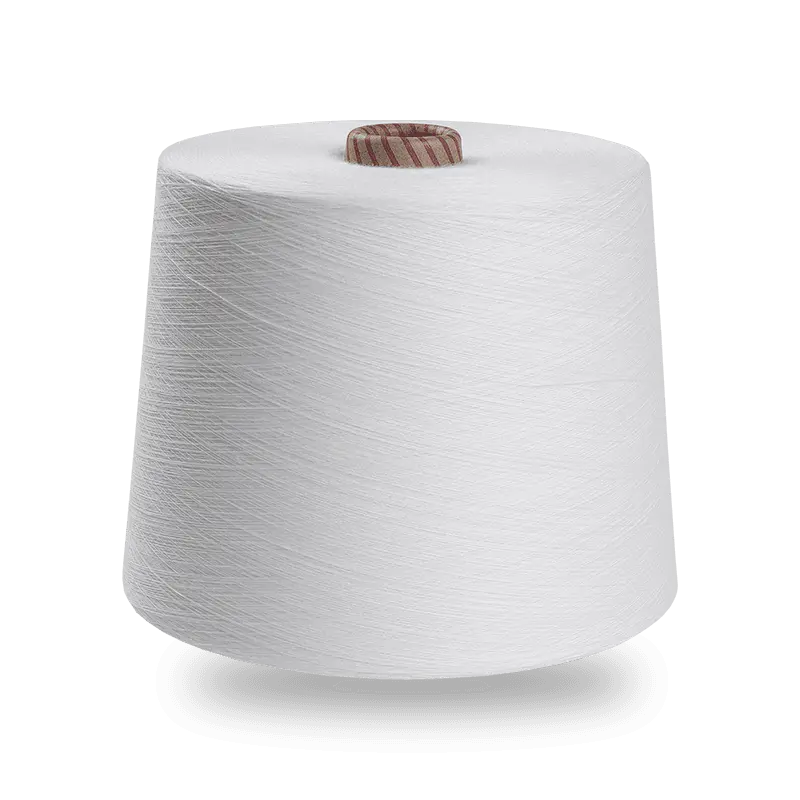
Nylon draw texturing yarn is a continuous filament yarn produced by simultaneously drawing and false-twist texturing partially oriented yarn used as the upstream feedstock. The texturing process permanently deforms the filaments into a crimped, coiled structure, giving the yarn a degree of bulk and stretch that plain filament yarn cannot achieve.
It is important to distinguish DTY from its two closest relatives in the nylon filament family:
- POY (Partially Oriented Yarn) — the intermediate precursor yarn, produced at high spinning speeds but not yet fully drawn or textured. It is the direct raw material for DTY production.
- FDY (Fully Drawn Yarn) — a nylon filament in its fully drawn form, oriented for maximum strength and smoothness but without the crimped texture or inherent elasticity of DTY. FDY suits applications requiring a flat, lustrous surface; DTY suits those requiring stretch and softness.
The vast majority of nylon DTY on the market is based on Nylon 6 (polycaprolactam), though Nylon 66 grades are also produced for applications demanding higher thermal stability and stiffness. Nylon 6 DTY accounts for the larger share of commercial output due to its superior dyeability, softer feel, and more cost-effective production chain.
How the Draw Texturing Process Works
The production of nylon DTY takes place on a draw texturing machine — a continuous, inline process that draws, twists, heat-sets, and winds the yarn in a single pass. Understanding this process helps buyers appreciate why equipment quality and process control directly determine yarn consistency.
- Feeding: POY packages are loaded and fed into the machine at a controlled tension. The initial feed speed is precisely calibrated against the draw ratio required for the target denier.
- Drawing: The yarn passes through a first heater (typically 150–200 °C for nylon) while being mechanically stretched. This orients the polymer molecules, increasing tenacity and reducing elongation to the desired range.
- False-twist texturing: A friction disc unit applies rapid, alternating twist to the yarn. Because the yarn is simultaneously twisted and untwisted as it moves forward, the net twist inserted is zero — yet the heat-set crimp structure remains permanently encoded in the filaments.
- Secondary heat setting (optional): A second heater, if used, relaxes internal stresses and "sets" the yarn further. Passing through one heater produces a high-elastic yarn; passing through two heaters produces a lower-elastic, more dimensionally stable "set" yarn suited to applications requiring minimal growth.
- Winding: The finished yarn is wound onto packages at precisely controlled tension. Package geometry and winding density affect unwinding performance in downstream knitting or weaving.
Leading manufacturers rely on equipment such as German Barmag texturing machines for the draw-texturing unit and Japanese TMT winding machines for the take-up stage. This pairing is widely regarded as the industry benchmark for consistent denier uniformity, low defect rates, and stable package formation.
Key Properties and Performance Advantages
The crimped filament architecture created by draw texturing gives nylon DTY a distinctive set of performance characteristics of nylon fiber that distinguish it from both FDY and spun yarns:
- Elasticity and recovery: The crimp structure allows the yarn to stretch significantly under load and return to its original length when released. This makes fabrics body-conforming without requiring the addition of spandex in every construction.
- Soft, voluminous hand feel: Air trapped within the crimped filament bundle creates a tactile softness and apparent bulk well beyond what the linear density alone would suggest.
- Outstanding abrasion resistance: Nylon's molecular structure provides inherently high resistance to surface wear, making DTY fabrics especially durable in high-friction end uses such as hosiery, activewear, and upholstery.
- Good dyeability: Nylon 6 DTY accepts acid dyes at relatively low temperatures and produces deep, uniform color with good wash fastness — an advantage over polyester DTY in fashion-sensitive applications.
- Moisture management: While nylon is not intrinsically hydrophilic, its moisture regain (approximately 4%) is meaningfully higher than polyester, contributing to a more comfortable next-to-skin feel.
- Lightweight strength: Nylon's high tenacity-to-weight ratio means fabrics can be engineered thin and light while retaining durability — a key driver in outdoor and performance apparel.
Denier Specifications and Application Guide
Selecting the correct denier and filament count is the most practical decision a buyer faces. The table below maps common nylon 6 draw texturing yarn product specifications to their primary end uses.
| Specification (D/F) | Linear Density | Primary Applications |
|---|---|---|
| 20D/12F | Very fine | Sheer hosiery, ultra-lightweight lingerie |
| 30D/12F – 40D/14F | Fine | Seamless underwear, fine-gauge knitwear, socks |
| 40D/24F – 70D/24F | Medium | Sportswear, swimwear, warp-knit fabrics, linings |
| 70D/48F – 100D/36F | Medium-heavy | Outdoor apparel, activewear, upholstery, bags |
| 140D/48F – 210D/72F | Heavy | Technical textiles, straps, webbing, automotive interiors |
As a general principle, higher filament counts at a given denier produce softer, silkier fabrics, while lower filament counts produce a coarser texture with higher individual filament strength. For circular knitting, medium deniers with moderate filament counts (e.g., 70D/48F) offer the best balance of production efficiency and fabric quality.
Luster also factors into selection. Nylon DTY is commercially available in three surface finishes: bright (high sheen, suitable for fashion and evening textiles), semi-dull (moderate luster, most common across apparel categories), and full-dull (matte finish, preferred for functional workwear and uniform fabrics).
Intermingling Options: NIM, SIM, and HIM
During the texturing process, an intermingling (interlacing) step can be applied by passing the yarn through an air jet that periodically entangles the filaments, creating cohesive "nip points" at regular intervals along the yarn length. This is an important processing parameter that significantly affects downstream handling and fabric performance.
- NIM (No Intermingling): Filaments are unentangled. The yarn has maximum softness and loft, but requires a sizing or oiling finish to run cleanly on weaving or high-speed warp knitting machines. Best suited for weft knitting where filament cohesion is less critical.
- SIM (Slight Intermingling): A low nip frequency (typically 30–60 nips/meter) provides enough cohesion for knitting and light weaving without significantly affecting the hand feel. This is the most widely specified option for general apparel applications.
- HIM (High Intermingling): Dense nip points (80–120+ nips/meter) give the yarn excellent processability on high-speed warp knitting machines and weaving looms. The trade-off is a slightly firmer feel. HIM is the standard choice for warp knitting, tatting, and technical fabric production.
Buyers should specify intermingling level explicitly when placing orders, as this parameter is set during production and cannot be adjusted after winding.
Common End Uses Across Industries
The combination of stretch, durability, and processability makes nylon draw texturing yarn one of the most versatile filament yarns available. Key sectors include:
- Apparel: Seamless underwear, shapewear, leggings, swimwear, sports tops, and linings. The yarn's recovery ensures garments retain their shape through repeated wear and washing.
- Hosiery: Fine-denier nylon DTY is the backbone of the global hosiery industry, used in stockings, tights, ankle socks, and compression hosiery where transparency, elasticity, and durability must coexist.
- Outdoor and performance textiles: Jackets, hiking pants, backpacks, tents, and athletic footwear upper fabrics. Nylon DTY's abrasion resistance and strength-to-weight ratio are particularly valuable here.
- Home textiles: Bedding covers, pillowcases, mattress ticking, and upholstery where durability and easy-care properties are priorities.
- Accessories and technical uses: Lace, narrow elastic webbing, luggage, straps, and certain automotive interior components where the material's strength and surface quality matter.
How to Evaluate Nylon DTY Quality
Not all nylon draw texturing yarn is produced to the same standard. The following parameters are the most meaningful indicators of quality and should be requested or verified before committing to a supplier:
- Denier uniformity (CV%): The coefficient of variation of linear density along the yarn length. A lower CV% indicates more consistent drawing and winding, which translates to even fabric appearance and fewer knitting or weaving stoppages.
- Tenacity and elongation: Tenacity (cN/dtex) and elongation at break should fall within the specification range for the declared denier. Deviation signals either under-drawing or quality inconsistency in the feedstock POY.
- Crimp contraction rate: This measures the degree of texture and directly predicts the elastic behavior of the finished fabric. Buyers with strict stretch requirements should request this value rather than relying on generic descriptions.
- Dyeing uniformity: Request dye trials or knitted fabric samples dyed in production lots. Streaks, barre, or uneven color absorption in the sample indicate filament-level inconsistency that will scale up in commercial fabric production.
- Package quality: Inspect package surface for protruding filaments, broken ends, oil-stain rings, or deformation. Well-formed, evenly wound packages with consistent hardness across a production lot are a reliable indicator of controlled winding tension and machine calibration.
- Testing equipment and certification: Suppliers using calibrated Uster testers and internationally recognized testing protocols (e.g., ISO, ASTM) provide more reliable data. GRS certification is additionally relevant for buyers sourcing recycled-content nylon.
When evaluating a new supplier, request a technical data sheet, a production sample from a representative lot, and a third-party test report. A supplier willing to share detailed process parameters — including which texturing machine platform they operate and what heat-setting temperatures they use — is generally one with stable, well-controlled production.