English
 中文简体
中文简体 Español
 عربى
عربى
News
Content
- 1 The Real Reason Yoga Pants Stretch: It Starts with the Yarn
- 2 How Spandex Works: The Elastic Fiber Behind Every Stretch
- 3 Why Nylon + Spandex Is the Winning Combination
- 4 The Role of Air-Covered Yarn (ACY) in Activewear
- 5 Spandex Ratio: How Much Is Enough?
- 6 How to Choose the Right Yarn for Elastic Activewear
Pull on a pair of yoga pants and you immediately feel it — that second-skin stretch that moves with every lunge, twist, and downward dog without pulling, bunching, or losing its shape. But what actually makes yoga pants so stretchy? The answer isn't simply "spandex." It goes deeper, all the way down to the structure of the yarn itself — how individual fibers are engineered, combined, and processed before a single stitch is made.
This article breaks down the yarn science behind elastic activewear fabrics, from the molecular behavior of spandex to the manufacturing technique that gives high-performance leggings their signature feel.
The Real Reason Yoga Pants Stretch: It Starts with the Yarn
Most people assume that fabric is what determines how a garment stretches. In reality, the stretch properties of any textile are determined much earlier in the production chain — at the yarn stage. The fabric is only as elastic as the yarn it is made from.
Yarn for yoga pants is not a single fiber. It is a precisely engineered composite: an elastic core wrapped or blended with structural fibers, designed to deliver both stretch and recovery. Without understanding this structure, it is impossible to understand why some leggings spring back perfectly after a workout while others sag at the knees by mid-session.
Two primary elements define the stretch performance of activewear yarn: the type and proportion of elastic fiber used, and the covering or blending method applied during yarn manufacturing. Both variables are engineered decisions made long before the fabric is knitted or the garment is cut.
How Spandex Works: The Elastic Fiber Behind Every Stretch
Spandex — also known as elastane or Lycra — is the elastic backbone of virtually every pair of yoga pants on the market. Its extraordinary performance comes from its molecular structure: a segmented polyurethane polymer chain made up of alternating rigid and flexible segments.
When the fiber is stretched, the flexible molecular segments extend to accommodate the force. When tension is released, the rigid segments pull the chain back to its resting state. This is why spandex does not just stretch — it recovers. A well-manufactured spandex fiber can extend to 300–500% of its original length and return to its original dimensions with a recovery rate exceeding 90%.
This behavior is what engineers call elastic memory, and it is the core property that makes yoga pants functional rather than simply flexible. A fabric that stretches without recovering would turn baggy within minutes of wear. Spandex prevents this.
However, spandex on its own is not a complete solution. Pure spandex fiber is heat-sensitive, degrades with chlorine exposure, lacks abrasion resistance, and provides limited breathability. This is why it is always combined with a structural fiber — and the choice of that structural fiber makes an enormous difference in the final product.
Why Nylon + Spandex Is the Winning Combination
There are two dominant structural fiber choices in activewear: polyester and nylon. Both are blended with spandex in most yoga pants, but they deliver meaningfully different results.
| Property | Nylon + Spandex | Polyester + Spandex |
|---|---|---|
| Hand feel | Soft, silky, second-skin | Smooth, slightly stiffer |
| Stretch quality | Excellent 4-way stretch | Good stretch, less supple |
| Abrasion resistance | Very high | High |
| Moisture wicking | Good | Excellent |
| Color retention | Vibrant, even dyeing | Good, UV-resistant |
| Typical use case | Yoga, pilates, shapewear | Running, outdoor training |
Nylon's key advantage in yoga-specific applications is its combination of softness and tensile strength. Nylon filament has inherently high tensile strength, which means a fabric can be made thin and lightweight without sacrificing durability. This is why premium yoga leggings made from nylon blends feel remarkably light yet opaque and resistant to wear. The fiber's natural affinity for dyes also results in richer, more uniform colors compared to polyester at equivalent dye concentrations.
For yoga pants specifically, a typical nylon-spandex blend might range from nylon 6 fully drawn filament for high-performance textile applications blended with 15–30% spandex, producing a fabric with excellent drape, four-way stretch, and reliable shape retention over hundreds of wash cycles.
The Role of Air-Covered Yarn (ACY) in Activewear
Understanding spandex and nylon individually is useful, but the real performance leap in modern elastic activewear comes from how these two fibers are combined at the yarn manufacturing stage. This is where air-covered yarn (ACY) technology becomes critical.
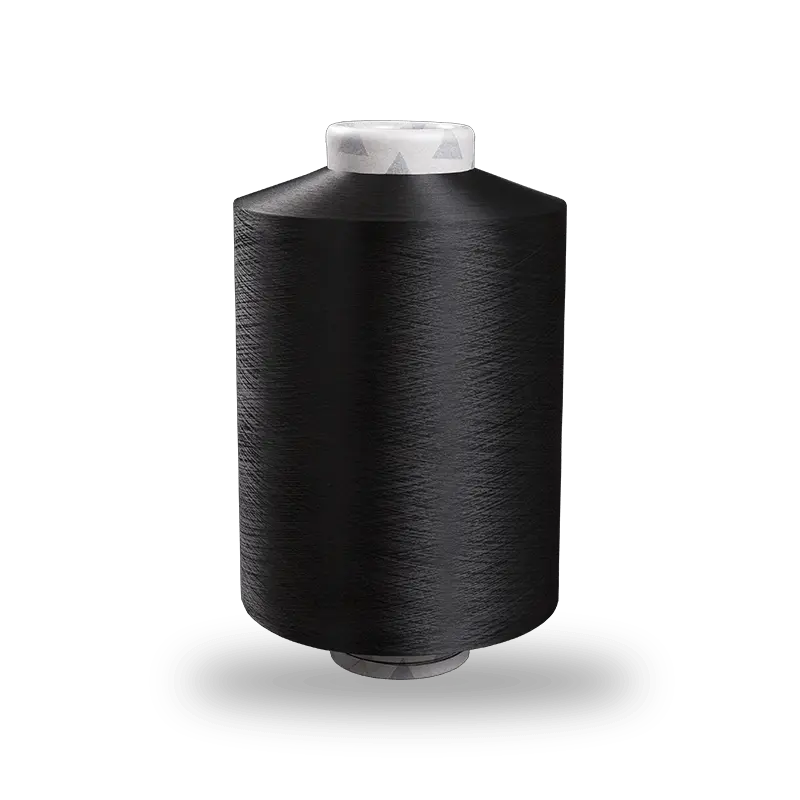
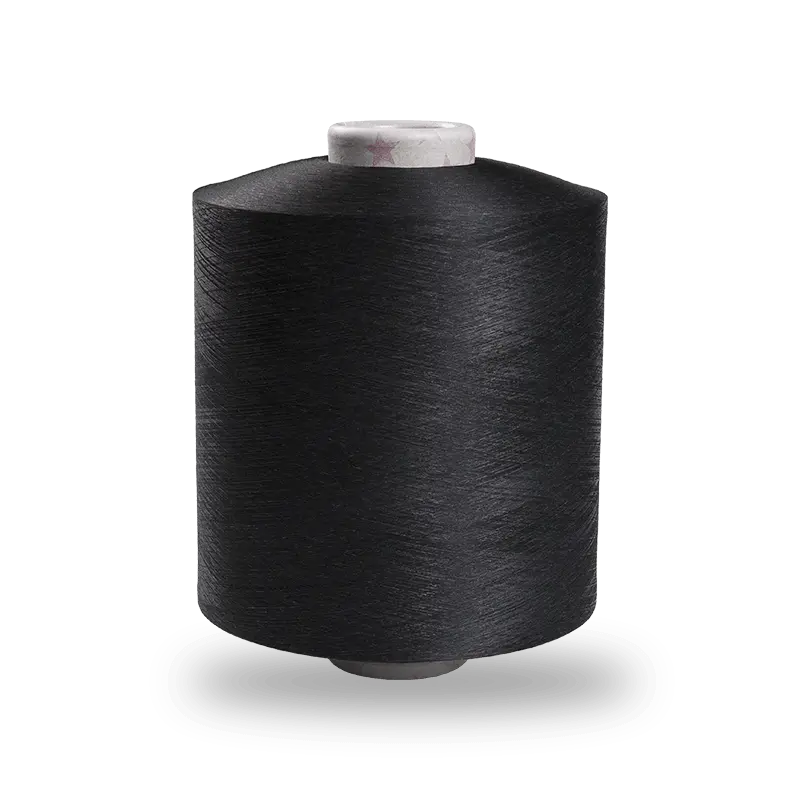
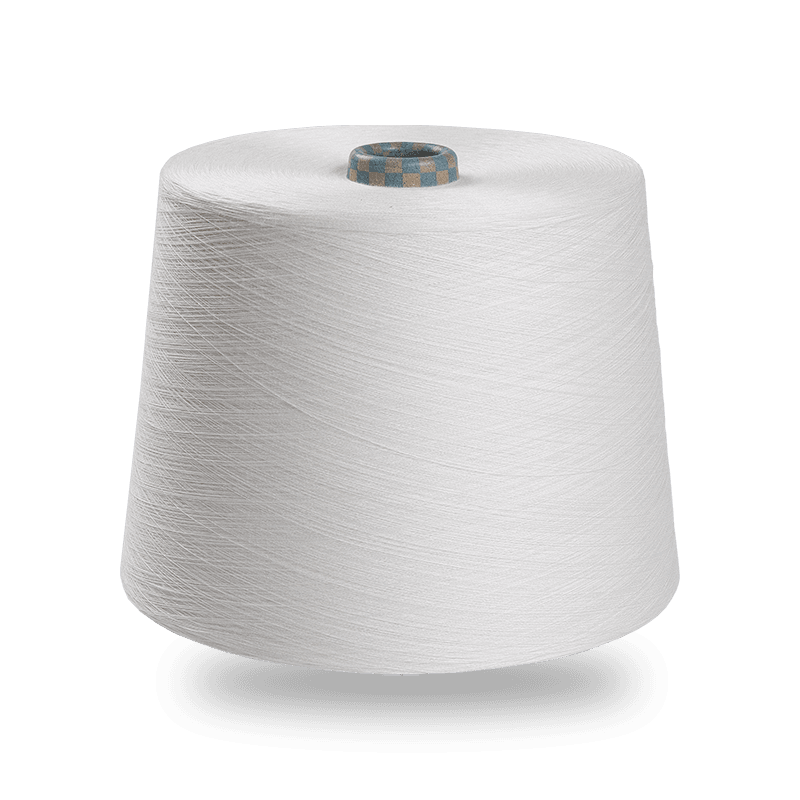
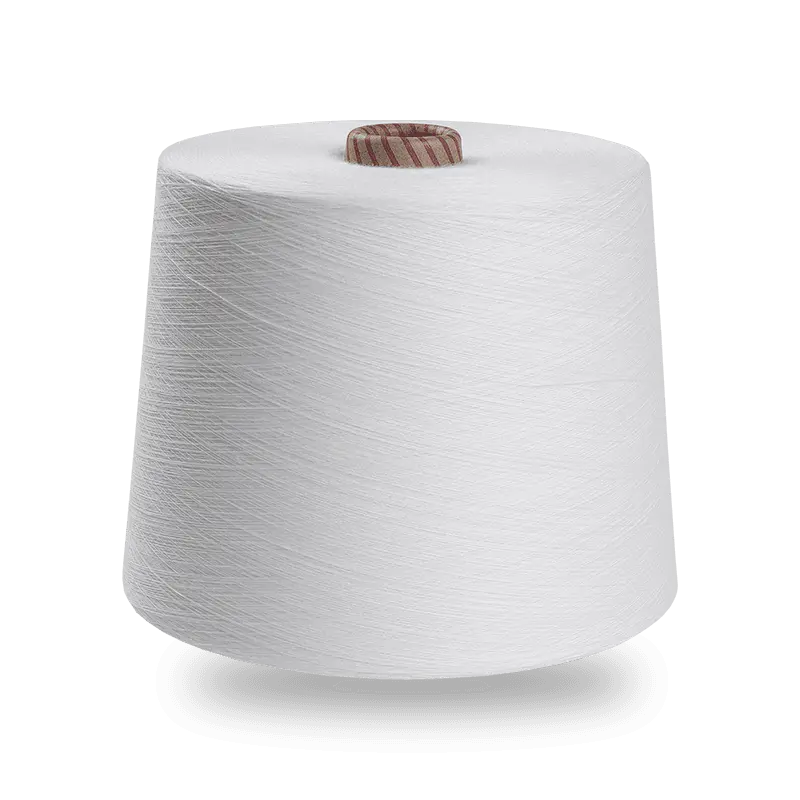
In ACY production, a spandex core yarn is fed under controlled tension through a high-speed air jet together with a nylon filament. The compressed air wraps the nylon around the spandex at high frequency, creating a hollow interlocking structure where the spandex core is encased within a nylon outer layer. The result is not a simple blend — it is a structurally integrated composite yarn.
This architecture delivers several performance advantages simultaneously:
- Stretch and recovery: The spandex core provides the elastic force; the nylon casing ensures the stretch is smooth and even across the fabric surface.
- Abrasion resistance: Because the spandex is protected inside the nylon sheath, it is shielded from direct friction — significantly extending the garment's useful lifespan.
- Dyeing consistency: The hollow air-covered structure allows dye to penetrate uniformly, producing consistent color without patchiness or fading unevenness.
- Versatility: ACY is compatible with both knitted and woven fabric construction methods, making it suitable for a wide range of activewear and shapewear formats.
The air-covered spandex yarn used in activewear and shapewear produced by this process is the material behind the stretch performance of fitted yoga pants, compression leggings, swimwear, and sports underwear. It is the yarn-level engineering decision that separates high-performance activewear from ordinary stretch garments.
Spandex Ratio: How Much Is Enough?
One of the most common questions in activewear fabric development is: what spandex percentage should the yarn contain? The answer depends entirely on the end-use application.
As a general principle, higher spandex content increases stretch but reduces structural stability. A yarn with 5–10% spandex will have moderate give — suitable for casual wear or loosely fitted garments. Yoga pants typically require 15–25% spandex in the yarn blend to achieve the four-way stretch necessary for deep poses and dynamic movement. Performance shapewear or compression garments may go as high as 30% to deliver firm, body-sculpting support.
Beyond percentage, the denier (thickness) of the spandex core also matters. Finer spandex counts — typically in the 20–40 dtex range — are used for lightweight, close-fitting yoga fabrics. Heavier spandex cores are reserved for compression products where resistance force is a design requirement.
It is worth noting that a fabric's stretch is not determined by spandex ratio alone. The knit construction of the fabric — whether single jersey, interlock, or warp knit — also significantly affects how the yarn's elasticity translates into garment performance. A well-chosen ACY yarn in a four-way stretch knit construction will outperform a higher-spandex yarn used in a less elastic fabric structure.
How to Choose the Right Yarn for Elastic Activewear
For textile manufacturers and activewear brands sourcing raw materials, the decision between yarn types should be driven by functional requirements, not fabric cost alone. Here is a practical framework:
- Define the application first. Yoga and pilates demand softness, opacity, and four-way stretch — pointing toward nylon-spandex ACY. High-intensity training or outdoor workouts may favor polyester blends for superior moisture management and UV stability.
- Specify the spandex ratio by end use. 15–20% for standard yoga leggings; 20–30% for compression or shapewear products; under 15% for casual athleisure with light stretch requirements.
- Choose the covering method based on fabric construction. ACY is the preferred choice for knitted activewear fabrics. For woven performance fabrics where a smoother, more uniform surface is required, single-covered yarn (SCY) may be more appropriate. Understanding the difference between ACY and SCY for knitted vs. woven fabric applications is an important step in material selection.
- Verify yarn quality standards. Consistent filament denier, uniform spandex tension during air covering, and stable twist levels are all indicators of a reliable yarn supplier. Request batch test data covering breaking strength, elongation at break, and elastic recovery rate before committing to large-volume orders.
The global activewear market continues to grow, driven by rising demand for performance and athleisure apparel worldwide. For brands competing in this space, the yarn specification is not a minor technical detail — it is one of the most consequential decisions in product development. The difference between a yoga pant that earns loyal repeat customers and one that loses its shape after ten washes often comes down to the yarn structure chosen months before the garment was ever stitched.
Getting that decision right starts with understanding what makes elastic yarn work — and partnering with suppliers who engineer it with precision.