English
 中文简体
中文简体 Español
 عربى
عربى
News
Content
- 1 Why Fabric Matters in Yoga Wear
- 2 The Four Main Fabric Types for Yoga Clothing
- 3 Nylon 6 vs. Polyester: Which Is Better for Yoga?
- 4 How Spandex (Elastane) Content Affects Stretch and Recovery
- 5 Hot Yoga vs. Yin Yoga: Fabric Requirements Compared
- 6 The Role of GRS Certification in Sustainable Yoga Wear
- 7 How to Choose a Reliable Yarn Supplier for Yoga Apparel Brands
A single hot yoga session can drench a cotton T-shirt in under 15 minutes, leaving it heavy, clammy, and chafing against the skin. That moment of distraction is exactly why fabric selection matters so much. Yoga wear is not just about style—the right material keeps you focused on your breath, not on your clothing.
Why Fabric Matters in Yoga Wear
Yoga demands clothing that stretches without sagging, wicks moisture before it becomes a distraction, and survives hundreds of washes without pilling. A cheap polyester top might feel dry initially but can turn into a microbial breeding ground after a few classes. A pair of thick cotton leggings will absorb sweat and lose shape halfway through a flow. The difference between a frustrating practice and a seamless one often comes down to fiber chemistry.
Brands frequently market yoga wear as "buttery-soft" or "four-way stretch," but those terms say nothing about durability, breathability, or recovery. Consumers—and the brands sourcing fabric—need to look at measurable parameters: moisture regain percentage, elastic recovery rate, air permeability (CFM), and fiber tenacity. These numbers predict how a garment will behave in a 105°F hot yoga studio versus a slow, grounding yin class.
| Problem | Root Cause | Solution |
|---|---|---|
| Pilling after 20 washes | Short staple fibers or weak yarn | Filament nylon 6 with high tenacity (≥4.0 cN/dtex) |
| Knee bagging and sagging | Poor elastic recovery in the yarn | Spandex content ≥12% with high-quality covered yarn |
| Overheating and sweat pooling | Low air permeability and slow moisture transport | Moisture-wicking nylon 6 DTY with CFM ≥100 |
| Transparency when stretching | Insufficient fabric density or low-denier yarn | 40D/34F or higher denier nylon 6 with compact structure |
The Four Main Fabric Types for Yoga Clothing
Most yoga wear on the market uses one of four fiber bases: nylon 6, polyester, cotton, or modal. Each brings a distinct performance profile. Blending them with spandex changes stretch and recovery, but the core fiber determines the garment's moisture behavior, hand feel, and longevity.
| Property | Nylon 6 | Polyester | Cotton | Modal |
|---|---|---|---|---|
| Moisture regain (%) | 4.0-4.5 | 0.4 | 8.0 | 11.0 |
| Dry time (minutes) | 25-35 | 15-25 | 45-60 | 40-50 |
| Elastic recovery (%) | 95-100 | 80-90 | 50-60 | 60-70 |
| Anti-pill rating (1-5) | 4-5 | 3-4 | 2-3 | 3-4 |
| Softness (hand feel) | Smooth, cool | Slightly slick | Breathable, matte | Silky, cool |
| Typical cost ($/kg) | 5-8 | 2-4 | 3-6 | 4-7 |
Nylon 6 stands out for its combination of high strength, excellent elastic recovery, and moderate moisture regain—it absorbs just enough perspiration to avoid the clammy feel of polyester while drying far faster than cotton. Cotton and modal feel wonderful for slow, gentle practices but become heavy and lose shape when drenched. Polyester is the budget champion with rapid drying, yet it tends to hold onto odors and offers less softness unless heavily texturized.
Nylon 6 vs. Polyester: Which Is Better for Yoga?
If you had to pick one synthetic fiber for yoga wear, nylon 6 wins on most technical scores. Polyester still dominates the entry-level price tier and can perform well in hot, sweaty conditions, but it makes compromises that show up quickly in regular practice.
- Stretch and recovery: Nylon 6 filaments have a natural crimp and high elongation (20-45% before break). Combined with spandex, the fabric snaps back over thousands of stretches. Polyester alone has lower recovery; without spandex it will deform permanently.
- Moisture handling: Nylon 6’s moisture regain of 4% pulls sweat off the skin, while polyester’s near-zero regain repels water—good for rapid evaporation but can leave a slick, wet surface that feels uncomfortable until it dries.
- Odor resistance: Polyester’s hydrophobic surface traps oily sweat and bacteria, leading to persistent odor even after washing. Nylon 6 absorbs some moisture into the fiber, reducing bacterial growth sites.
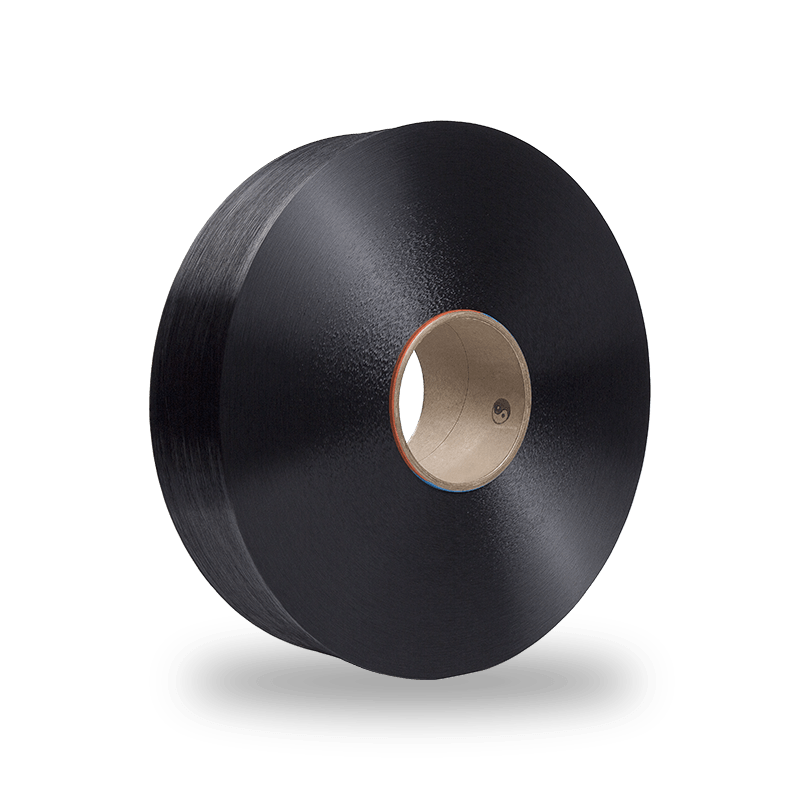
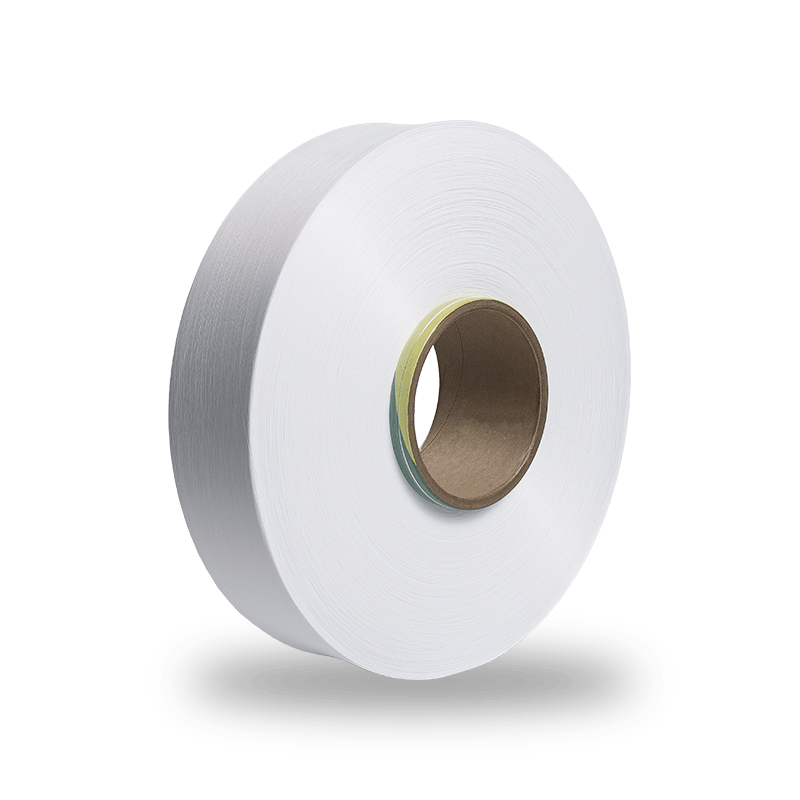
- Durability and pilling: Filament nylon 6, like nylon 6 DTY, resists pilling far better than staple polyester. When the yarn is fully drawn (FDY) for a smooth outer face, as in nylon 6 FDY, the surface stays clean even after 100+ washes.
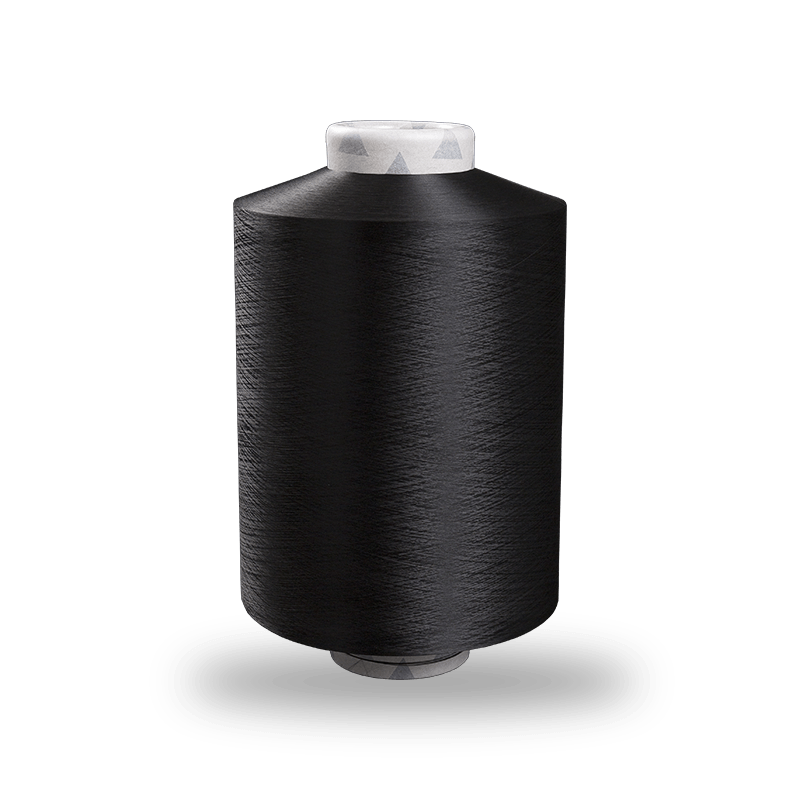
- Cost difference: Polyester costs $2-4/kg raw, while nylon 6 runs $5-8/kg. That premium translates directly to better recovery and a softer hand, making it the choice for performance-oriented yoga pants.
For high-end yoga leggings and tops, many fabric mills spec a 75D/68F nylon 6 DTY with 20D spandex to hit the sweet spot of compression, opacity, and drape. Polyester appears more often in budget lines or in styles that prioritize wind resistance and ultra-fast drying.
How Spandex (Elastane) Content Affects Stretch and Recovery
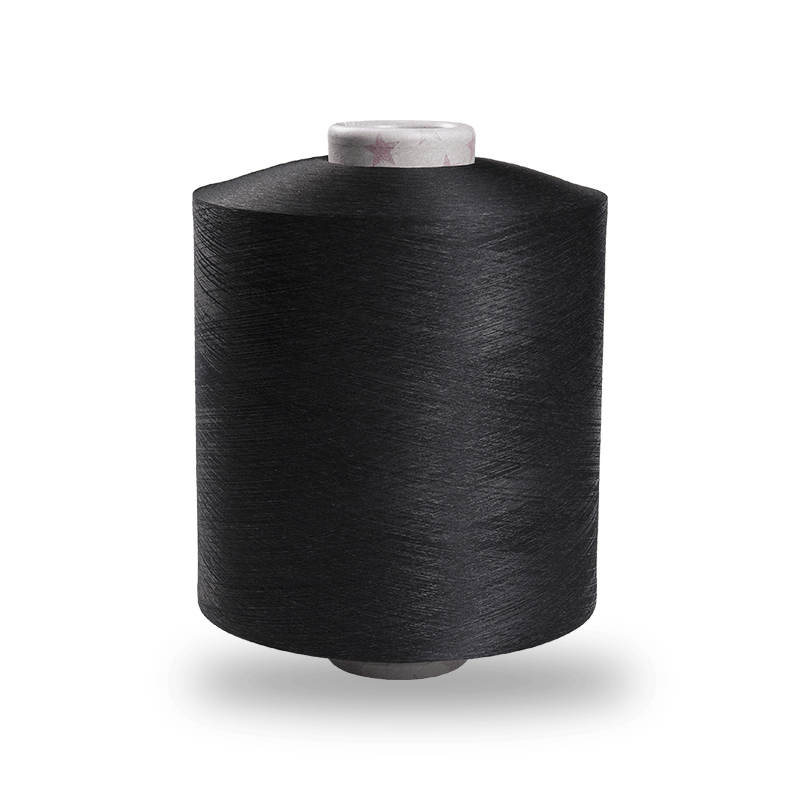
Spandex is what gives yoga wear its signature second-skin stretch. But the percentage alone doesn’t tell the whole story—the way the spandex is incorporated into the yarn matters just as much. Most premium yoga fabrics use spandex covered yarn, where spandex filaments are wrapped with nylon 6 textured yarn. Spandex ACY (air-covered yarn) creates a consistent, stretchy core that resists slippage and delivers long-lasting recovery.
| Spandex Content | Recovery After 60-Minute Stretch | Wash Cycles Before Bagging | Typical Use |
|---|---|---|---|
| 5-8% | 85-90% | 30-50 | Light-support bras, loose-fit tops |
| 10-12% | 92-95% | 80-100 | Yoga leggings, fitted tanks |
| 15-20% | 96-99% | 150+ | Compression tights, high-intensity wear |
A 12% spandex content wrapped in 40D nylon 6 delivers the ideal balance for most yoga disciplines—enough hold to stay in place during inversions, and enough give for deep hip openers. When the spandex content climbs above 20%, the fabric can feel restrictive and may lose breathability unless the nylon outer is extremely fine denier.
Hot Yoga vs. Yin Yoga: Fabric Requirements Compared
Not all yoga styles place the same demands on clothing. A fabric that works beautifully in a 60-minute yin session can become a liability in a 105°F Bikram studio. Matching the textile to the practice prevents distraction and extends garment life.
| Requirement | Hot Yoga | Yin Yoga |
|---|---|---|
| Air permeability (CFM) | ≥100 | 40-70 |
| Moisture transport | Rapid wicking, dry in <25 min | Moderate, comfort-focused |
| Spandex content | 5-10% to avoid trapping heat | 12-15% for gentle, constant hold |
| Fabric weight (gsm) | 120-160 | 180-220 |
| Recommended blend | Nylon 6 + polyester (60/40) with low spandex | Nylon 6 + high spandex, possibly with cotton face |
For hot yoga, a lightweight interlock knit from 70/30 nylon-polyester with just 8% spandex keeps you cool and dry without sacrificing stretch. For yin or restorative practices, a heavier 220 gsm nylon-spandex fabric with a brushed face gives the plush, hugged sensation that supports long-held postures.
The Role of GRS Certification in Sustainable Yoga Wear
Sustainability in yoga wear goes beyond marketing. The Global Recycled Standard (GRS) verifies that nylon 6 yarn contains recycled content and that the entire supply chain meets environmental and social criteria. For brands, GRS certification offers a clear, auditable path to reducing the carbon and water footprint of their collections.
- Carbon footprint reduction: Recycled nylon 6 can cut greenhouse gas emissions by 30-50% compared to virgin polymer, because it avoids the energy-intensive caprolactam monomer synthesis.
- Water consumption: Producing recycled nylon 6 consumes up to 50% less water, as it skips the initial polymerization step and directly re-extrudes post-industrial or post-consumer waste.
- Waste diversion: Each kilogram of recycled nylon 6 diverts approximately 1.2 kg of waste from landfills or oceans.
- Performance parity: GRS-certified nylon 6 filaments meet the same tenacity (≥4.0 cN/dtex) and elongation standards as virgin yarn, so there is no sacrifice in durability or stretch.
A growing number of yoga wear brands now require GRS-certified yarn from their mills because it supports their Scope 3 emission targets and resonates with eco-conscious customers. When evaluating a yarn supplier, verify that their GRS certificate covers the exact product categories you intend to purchase, not just a token line.
How to Choose a Reliable Yarn Supplier for Yoga Apparel Brands
Whether you produce a private-label yoga line or manufacture for established brands, the consistency of your fabric starts with the yarn supplier. A single batch of off-spec nylon 6 can cause dye streaks, barre, or unexpected shrinkage—problems that cost far more than the yarn itself.
| Evaluation Area | Target Benchmark | Why It Matters |
|---|---|---|
| Annual capacity | ≥10,000 metric tons | Ensures continuous supply without allocation risks |
| Spinning equipment | TMT, Barmag, or Oerlikon machines | Delivers consistent filament uniformity (CV% <1.5) |
| Quality metrics | Tenacity ≥4.0 cN/dtex, elongation 25-40% | Guarantees fabric that won’t snap or deform in use |
| Dyeing uniformity | Grey scale rating 4-5 | Prevents shade variation across production lots |
| GRS certification | Valid, product-specific certificate | Proof of recycled content for sustainability claims |
| R&D support | In-house lab for denier and polymer adjustments | Accelerates custom developments like soft-touch finishes |
A supplier with 17,000 tons of annual capacity running state-of-the-art TMT equipment can replicate the same lot-to-lot quality from a 40D/34F semi-dull round yarn to a 70D/68F full-dull DTY. That reliability translates into fewer production stops and more uniform yoga wear that lives up to the brand’s promise.