English
 中文简体
中文简体 Español
 عربى
عربى
News
Content
What Exactly Is Spandex ACY?
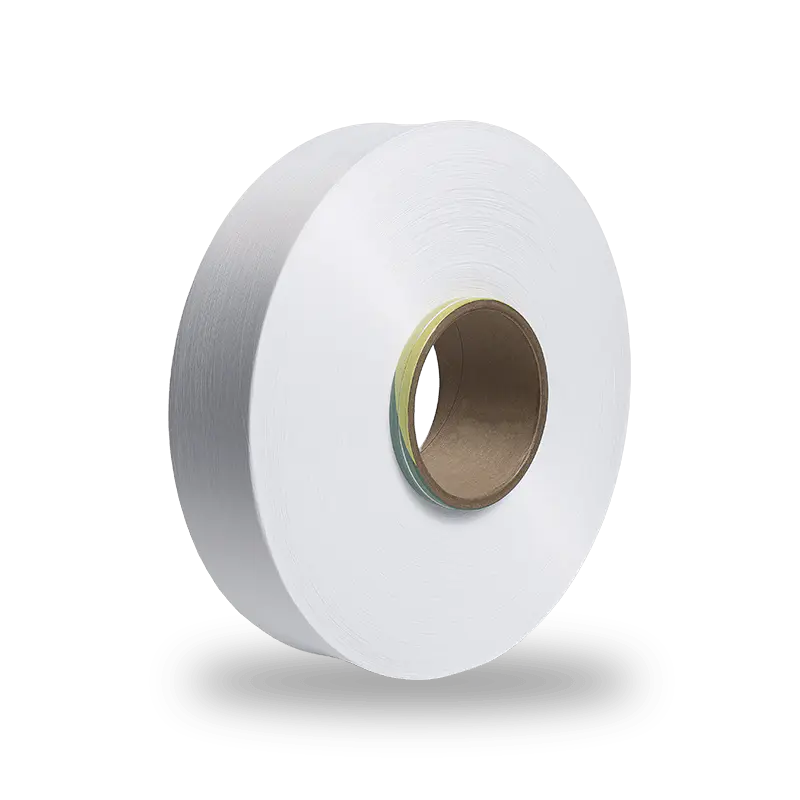
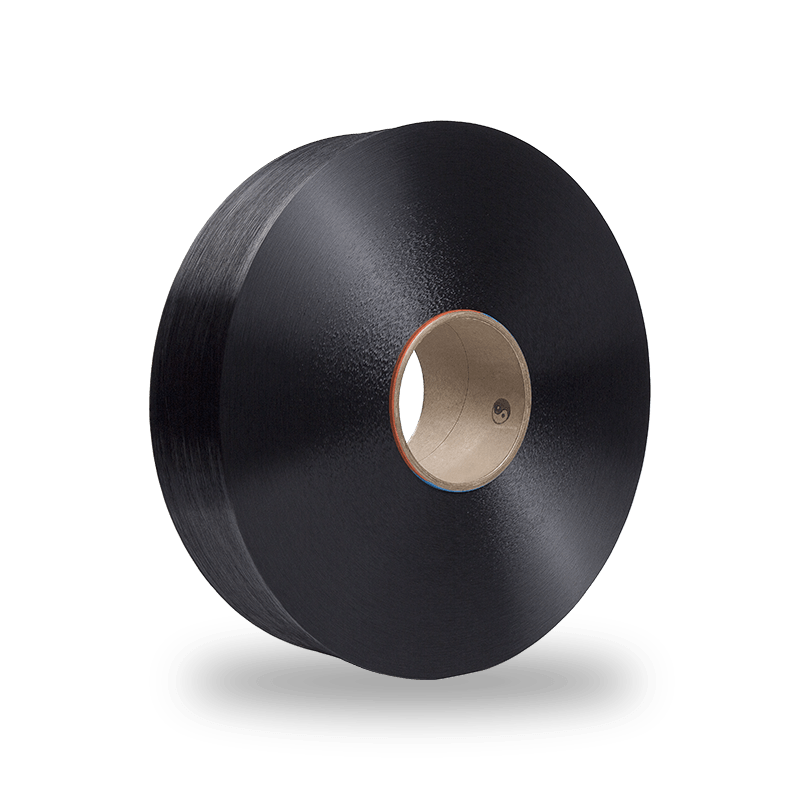
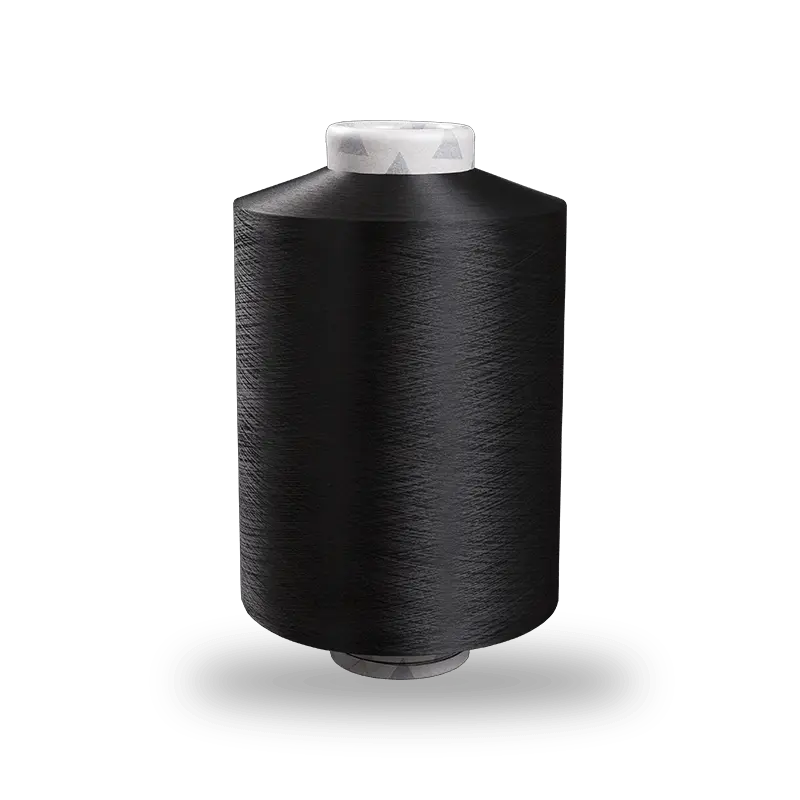
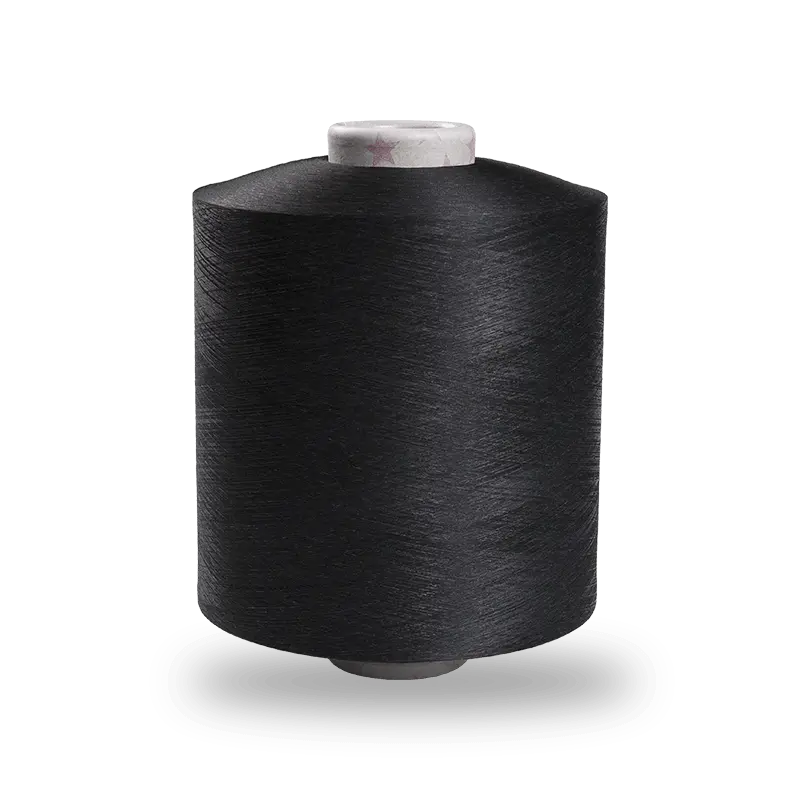
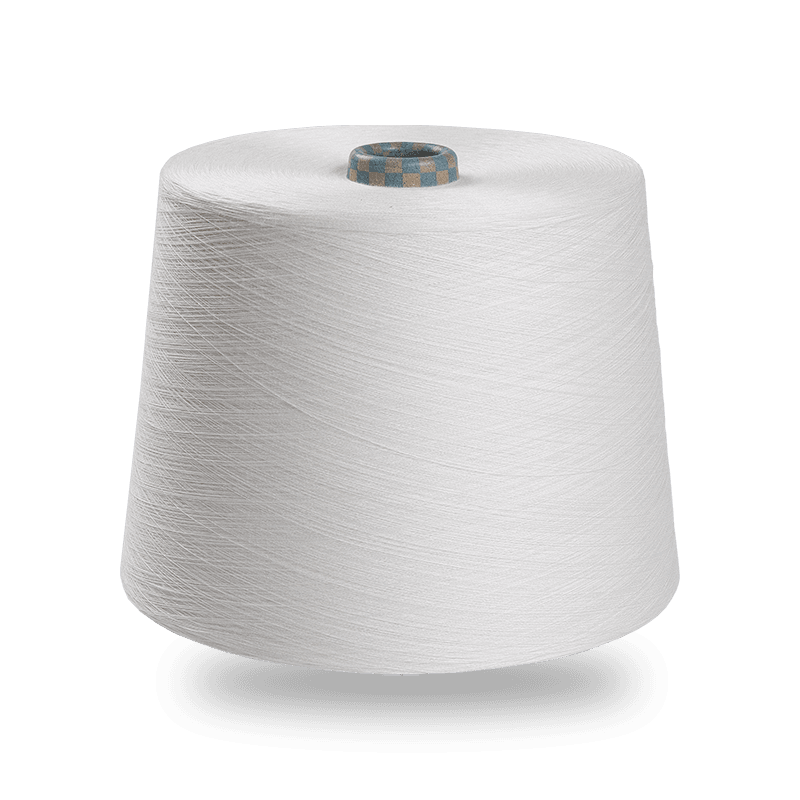
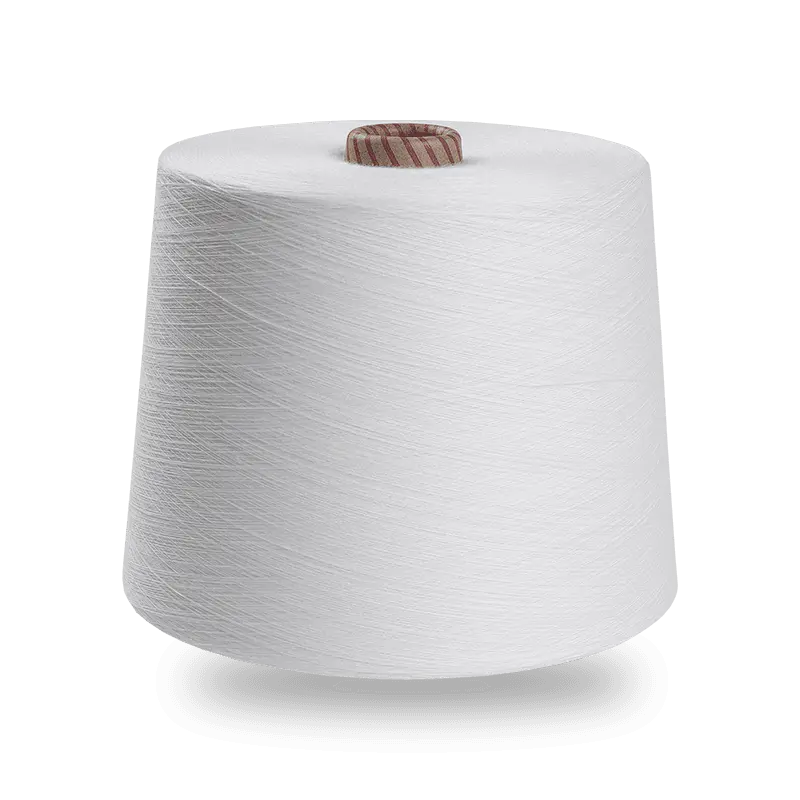
Spandex ACY, short for Air Covered Yarn, is a composite elastic yarn in which a spandex filament core is wrapped with one or more continuous filament yarns using high‑pressure compressed air. Instead of mechanical twisting, the air jets intermingle the filaments, creating a cohesive structure with a soft, voluminous hand feel. The result is a yarn that delivers consistent stretch, low torque, and a smooth surface — ideal for next‑to‑skin fabrics.
Typical ACY constructions combine spandex of 20 to 70 denier with nylon or polyester filaments of 30 to 150 denier. The air intermingling process forms evenly spaced entanglement points that hold the covering fibers in place, allowing the yarn to stretch and recover without the spandex core slipping.
How Spandex ACY Differs from Other Covered Yarns
The elastic yarn family includes single covered yarn (SCY), double covered yarn (DCY), core‑spun yarn, and air covered yarn. Each construction delivers distinct performance characteristics. The table below highlights the key differences.
| Yarn Type | Structure | Softness | Stretch Uniformity | Production Speed |
|---|---|---|---|---|
| Air Covered Yarn (ACY) | Spandex core + filament(s) intermingled by air jets | Very soft | Excellent | Highest |
| Single Covered Yarn (SCY) | One covering filament mechanically twisted around spandex | Moderate | Good | Moderate |
| Double Covered Yarn (DCY) | Two covering layers twisted in opposite directions | Firm | Excellent | Lowest |
| Core‑Spun Yarn | Spandex core with staple fibers spun around it | Natural feel | Variable | Moderate |
Compared to mechanically covered yarns, ACY stands out for its softer hand and higher production efficiency. Because no twisting spindle is needed, air covering machines can run at speeds of 500–800 m/min, significantly faster than conventional covering.
Key Properties and Performance Advantages
Unmatched Softness and Drape
The air‑entangled structure traps microscopic air pockets between filaments, giving ACY a cotton‑like softness with a gentle drape. Fabrics made from ACY feel cool and comfortable against the skin, which is why it is preferred for seamless lingerie and lightweight activewear.
High Stretch Recovery
Properly engineered ACY maintains a stretch recovery of above 95% after repeated extension. The intermingling nodes lock the covering filaments in place, preventing the spandex core from slipping out even after 50+ wash cycles.
Low Torque and Snarl‑Free Processing
Unlike twisted yarns, ACY has virtually no residual torque. It lies flat when unwound from the package, reducing snarling and improving knitting productivity. This characteristic makes it exceptionally suitable for high‑speed circular knitting machines.
Bulk and Coverage
Air covering expands the filament bundle, increasing yarn diameter by 10–25% compared to mechanically covered yarn of the same linear density. The added bulk provides better opacity in lightweight fabrics without adding weight.
How Air Covered Yarn Is Produced
The production of Spandex ACY takes place on specialized air covering machines. The process can be broken down into four key steps:
- Drafting the spandex core: The spandex filament is positively fed and pre‑drafted to the desired draw ratio, typically between 2.5× and 4.0×.
- Feeding the covering filaments: One or more nylon or polyester filaments are fed in parallel with the drafted spandex.
- Air intermingling: The combined filaments pass through a texturing nozzle where compressed air at 4–8 bar creates a turbulent flow, forming entanglement points every 1–3 mm.
- Winding: The finished ACY is wound onto a precision package with controlled tension, ready for knitting or weaving.
Critical parameters that determine yarn quality include air pressure, overfeed rates, nozzle type, and the number of intermingling nodes per meter. Tight control over these factors ensures uniform elasticity and minimal core exposure.
Typical Textile Applications
Thanks to its unique balance of softness and stretch, Spandex ACY is used across a broad range of knitwear and intimate apparel:
- Seamless underwear and shapewear — ACY’s snarl‑free nature supports high‑speed seamless knitting.
- Sports bras and compression leggings — provides controlled compression and excellent recovery.
- Socks and hosiery — soft, durable, and less prone to running.
- Medical compression garments — consistent pressure distribution aids in graduated compression therapy.
- Swimwear and lingerie — offers a second‑skin feel with high chlorine resistance when paired with nylon.
Quality Factors to Evaluate in Spandex ACY
Not all air covered yarns perform alike. When sourcing ACY, fabric developers pay close attention to these measurable attributes:
| Quality Parameter | Target Range | Impact on Fabric |
|---|---|---|
| Spandex draft ratio | 2.8 – 3.5 | Controls stretch power and recovery |
| Intermingling nodes/m | 80 – 130 | Determines core coverage and abrasion resistance |
| Yarn tenacity | 2.5 – 3.5 cN/dtex | Affects knitting efficiency and durability |
| Core exposure index | < 5% | Prevents grin‑through in dyed fabrics |
Practical Tips for Knitting and Weaving with ACY
Working with air covered yarn requires some adjustments compared to mechanically twisted elastic yarns. The following guidelines help manufacturers achieve the best results:
- Use positive yarn feeders to maintain consistent tension and avoid over‑stretching the spandex core during knitting.
- Select knitting machine gauges of 28 to 40 needles per inch for lightweight ACY fabrics; coarser gauges work for heavier deniers.
- Avoid excessive waxing or lubrication that can mask core exposure defects.
- For piece dyeing, start with a pre‑setting temperature of 180–195°C for 30–45 seconds to stabilize the fabric width and prevent crease marks.
- When blending ACY with rigid yarns, test the fabric stretch on a laboratory knit to confirm the desired elongation, typically 80–120% in width for sportswear.
By fine‑tuning these parameters, mills can fully exploit the productivity benefits of ACY while delivering fabrics with the softness and durability that end consumers expect.