English
 中文简体
中文简体 Español
 عربى
عربى
News
Content
- 1 Core Performance Properties That Drive Sourcing Decisions
- 2 Specification Guide: How to Match Yarn Specs to Your Product Type
- 3 Why Nylon 6 Is the Preferred Outer Fiber Over Polyester for These Applications
- 4 Sourcing Checklist: What to Evaluate Before Placing an Order
- 5 Common Quality Defects and How to Identify Them Before Production
- 6 Working with a Chinese Manufacturer: What to Expect and How to Manage the Relationship
- 7 Summary: Key Sourcing Priorities for Shapewear and Swimsuit Producers
What Is Air-Covered Spandex Yarn and Why Does It Matter for Shapewear and Swimsuit Manufacturing?
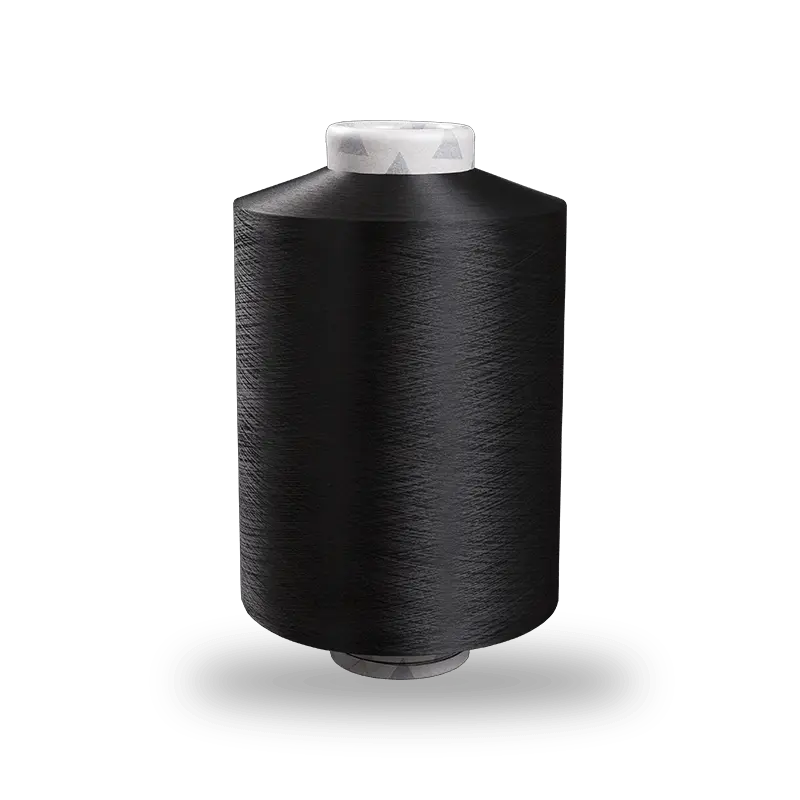
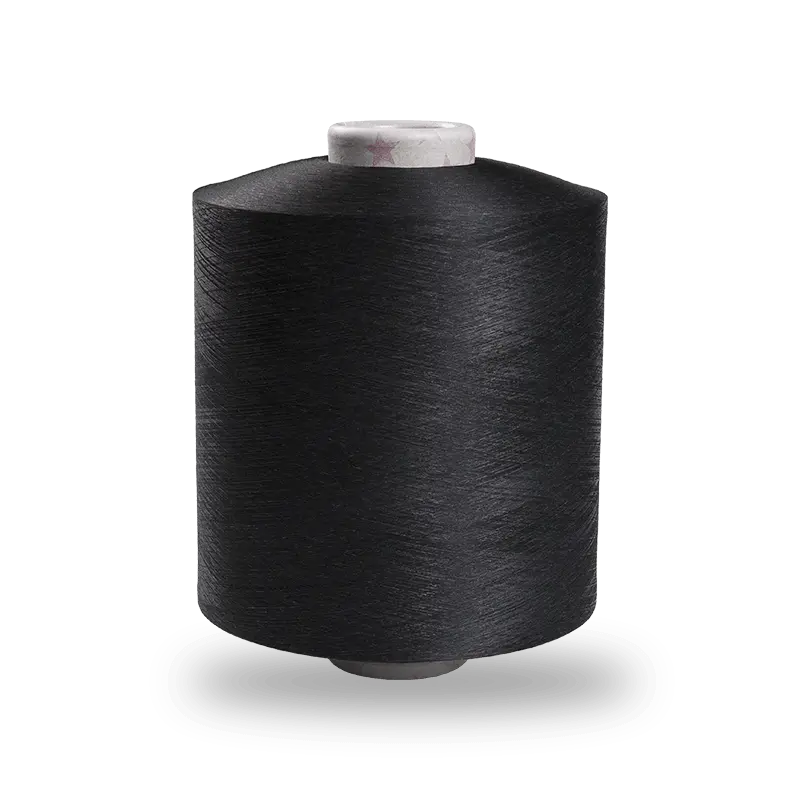
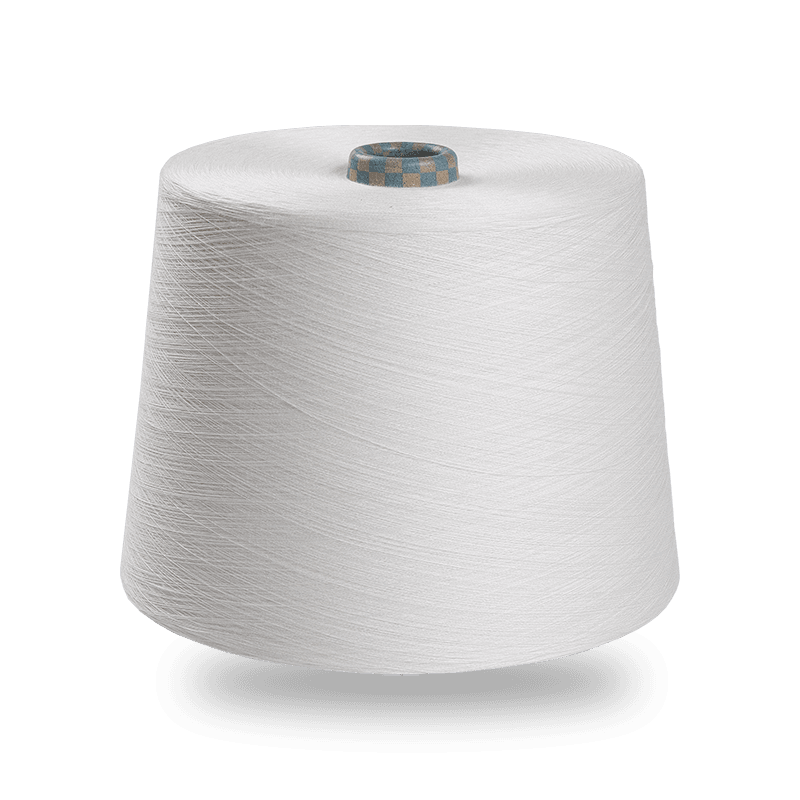
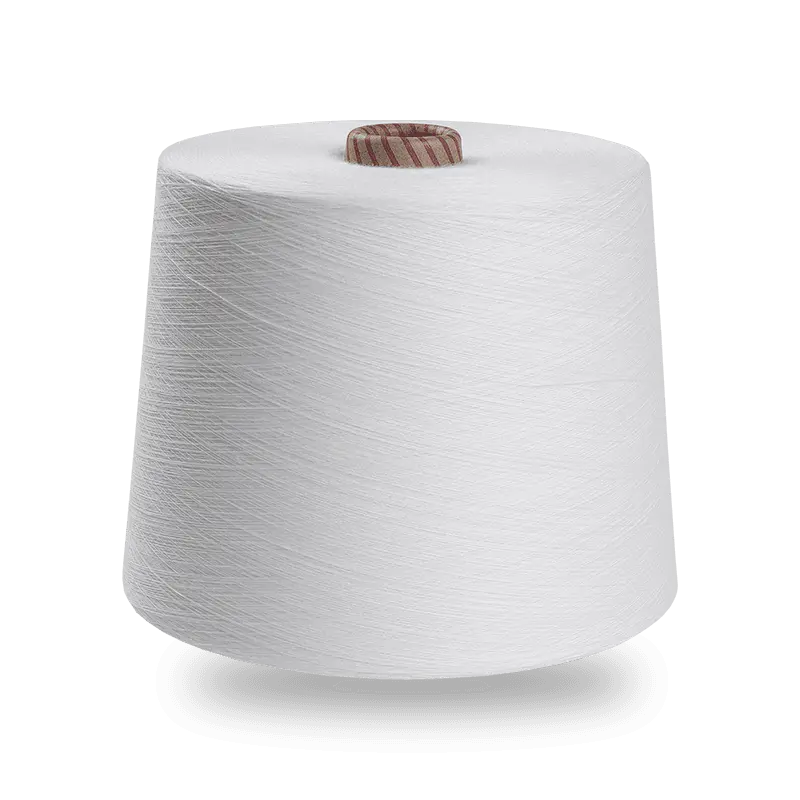
Air-covered spandex yarn — also called air-covered yarn (ACY) or air-jet covered yarn — is produced by wrapping an outer fiber (typically nylon filament) around a spandex core using compressed air pressure through a jet nozzle. This process creates a hollow, spring-like covering structure that locks the spandex inside while allowing the outer fiber to dominate the fabric surface.
The result is a yarn that delivers the stretch and recovery of spandex combined with the durability, softness, and dyeability of nylon — a combination that is nearly impossible to match with either fiber alone. For garment manufacturers producing shapewear, swimsuits, compression leggings, and activewear, this makes air-covered spandex yarn one of the most strategically important raw materials on the sourcing list.
Unlike mechanically covered yarn (SCY), air-covered yarn uses no additional twist or mechanical wrapping, which gives the finished yarn a more even hand feel, a lighter profile, and more consistent dye absorption. These differences are visible in the final fabric — especially under close inspection and in fitted garments where surface quality is non-negotiable.
Core Performance Properties That Drive Sourcing Decisions
Buyers selecting air-covered spandex yarn for shapewear or swimsuit production are primarily evaluating four performance dimensions:
1. Elasticity and Recovery Rate
The spandex core provides the stretch, but the recovery rate — how completely the yarn returns to its original length after extension — determines garment shape retention over time. Shapewear in particular requires a high and consistent recovery rate, since it is designed to redistribute body pressure rather than simply stretch. Poorly recovered yarn leads to garments that sag or lose their sculpting effect after a few wears.
2. Abrasion Resistance
Swimwear is exposed to chlorine, salt water, UV, and repeated friction. The nylon outer sheath in air-covered yarn acts as the first line of abrasion protection for the spandex core. Nylon 6 is the preferred outer fiber choice for this end use due to its superior abrasion resistance compared to polyester, and its better compatibility with acid dyes used in swimwear production.
3. Dyeing Uniformity
Air-covered yarn with an even covering structure accepts dye uniformly across the fabric. Inconsistent air pressure during production creates uneven covering intervals, which appear as streaks or shade variations in the finished fabric — a defect that is particularly damaging in solid-color swimwear and seamless shapewear. Sourcing from manufacturers with stable air pressure control systems is a critical quality checkpoint.
4. Hand Feel and Surface Smoothness
For next-to-skin garments, hand feel directly affects wearer comfort and end consumer satisfaction. The covering density and the denier of the outer nylon filament both influence surface texture. Finer denier outer fibers produce a softer, silkier surface, while heavier denier options offer more structure. This spec must be aligned with the final garment end use during the sampling stage.
Specification Guide: How to Match Yarn Specs to Your Product Type
Not all air-covered spandex yarn is interchangeable. The right specification depends on the garment category, knitting or weaving method, and finished fabric weight. The table below provides a general reference for common applications:
| Application | Outer Fiber (Nylon) | Spandex Core | Key Priority |
|---|---|---|---|
| Competitive swimwear | Nylon 6, 20D–40D | 20D–40D | Chlorine resistance, dye uniformity |
| Fashion swimwear | Nylon 6, 40D–70D | 20D–40D | Surface smoothness, color depth |
| Shapewear / bodysuits | Nylon 6, 40D–70D | 40D–70D | Recovery rate, compression stability |
| Lingerie / underwear | Nylon 6, 20D–40D | 20D–40D | Soft hand feel, lightweight |
| Automotive seat fabric | Nylon 6, 70D+ | 40D–70D | Durability, high abrasion resistance |
For manufacturers working across multiple product lines, it is advisable to work with a supplier who can supply air-covered spandex yarn in a range of denier combinations rather than a single fixed specification. This reduces the number of supplier relationships to manage while maintaining the ability to respond to varied buyer requirements.
Why Nylon 6 Is the Preferred Outer Fiber Over Polyester for These Applications
Many buyers encounter both nylon-covered and polyester-covered spandex yarn in the market. For swimwear and shapewear production, nylon 6 is the technically superior choice for the following reasons:
- Dye compatibility: Nylon accepts acid dyes, which produce deeper, more vibrant colors than the disperse dyes used for polyester. This is especially relevant for the bold prints and solid colors common in swimwear.
- Moisture management: Nylon absorbs slightly more moisture than polyester, which improves comfort in close-fitting, prolonged-wear garments such as shapewear.
- Softer touch: Nylon 6 has a characteristically softer hand feel at equivalent denier compared to polyester, which is a meaningful quality differentiator in premium swimwear and intimate apparel.
- Chemical resistance: Nylon 6 performs better than standard polyester under repeated chlorine exposure, extending swimwear garment life.
The outer fiber quality is directly linked to the quality of the nylon filament used as input material. Manufacturers producing air-covered yarn with high-grade nylon 6 DTY as the outer fiber deliver more consistent covering uniformity and surface softness than those using lower-grade inputs — a distinction that is often only visible after garment washing or extended wear.
Sourcing Checklist: What to Evaluate Before Placing an Order
Selecting the right air-covered spandex yarn supplier is not simply a matter of price per kilogram. The following checklist covers the key quality and supply chain factors that experienced buyers use to compare suppliers:
Production Equipment
Ask whether the manufacturer uses air-jet covering machines with stable pressure control systems. Pressure fluctuation during production is the primary cause of uneven covering intervals and dye streaking. Manufacturers using advanced imported equipment typically produce more consistent results than those relying on older domestic machines.
Input Material Traceability
The quality of the finished air-covered yarn is bounded by the quality of its inputs — the nylon filament and the spandex core. Reputable manufacturers can provide documentation of their raw material sources. Imported nylon chips and reputable domestic spandex suppliers are positive indicators. Ask for this information before sampling.
Batch Consistency Testing
Request data on inter-batch variation in breaking strength, elongation at break, and dye uptake. A supplier with a robust QC system should be able to provide physical testing reports per production batch, not just per product specification. Consistent batch data is one of the strongest signals of manufacturing process control.
Minimum Order Quantities and Customization Capability
For buyers sourcing multiple denier combinations or specialty colorways, it is important to confirm whether the supplier can handle custom orders and what minimum quantities apply per specification. Suppliers with strong R&D teams can develop custom specifications from buyer-provided samples or technical parameters, which is valuable for brands developing proprietary fabric constructions.
Logistics and Lead Time
Proximity to major export ports is a practical consideration that is often underweighted. Suppliers located near Shanghai or Ningbo ports reduce inland transportation costs and lead time variability. For buyers working with tight seasonal production windows, this can be the difference between on-time delivery and a missed market slot.
Common Quality Defects and How to Identify Them Before Production
Even experienced buyers occasionally receive air-covered spandex yarn that causes downstream fabric defects. The following defects are the most common and can be screened during incoming inspection:
- Uneven covering (bare spandex spots): Visible under magnification as sections where the nylon outer fiber has not wrapped the spandex core. These spots dye differently and create patterned defects in the finished fabric. Run a short knitting trial before committing to a full production run with a new supplier.
- Spandex core breakage: Causes loss of elasticity in localized fabric areas. Detectable by pulling a length of yarn and checking for resistance consistency over the full cone.
- Winding tension irregularity: Uneven tension on the package creates problems during high-speed knitting — tension spikes cause dropped stitches, while loose sections cause yarn feeding inconsistencies. Inspect package build and winding uniformity visually and by unwinding a section at steady speed.
- Oil stain or surface contamination: A residue of spin finish oil that exceeds normal application rates can affect dye absorption uniformity. Confirm the supplier's finishing oil type and application level as part of the technical data sheet review.
Working with a Chinese Manufacturer: What to Expect and How to Manage the Relationship
China remains the dominant global supplier of nylon-based air-covered spandex yarn, with manufacturing concentrated in Zhejiang, Jiangsu, and Fujian provinces. Buyers sourcing from this region benefit from a dense supplier ecosystem, competitive input material costs, and mature export logistics infrastructure.
For first-time buyers or buyers transitioning from previous suppliers, the following practices help establish a productive working relationship:
- Start with a technical sample order. Request samples in the specific denier combination you intend to use, knit a trial swatch, and evaluate dye uniformity and fabric hand before committing to bulk quantities.
- Provide a detailed technical specification sheet. Include denier of both outer fiber and spandex core, luster (semi-dull, full-dull, bright), bobbin/cone weight, and any regulatory requirements (e.g., OEKO-TEX, REACH compliance).
- Agree on inspection criteria before shipment. Confirm which physical tests will be conducted, acceptable variance ranges, and how non-conforming material will be handled. This prevents disputes at the point of delivery.
- Build a communication cadence around production milestones. For custom orders, request updates at the raw material receipt stage, mid-production, and pre-shipment. Early visibility into production status allows you to adjust your own production schedule if lead times shift.
Manufacturers who invest in responsive sales support, provide proactive updates, and can engage technically on yarn specifications are significantly easier to work with at scale. This is particularly important for buyers managing multiple product lines with different yarn requirements simultaneously.
Summary: Key Sourcing Priorities for Shapewear and Swimsuit Producers
Sourcing air-covered spandex yarn for high-performance end uses requires more than comparing price lists. The yarn's physical performance — elasticity, recovery, abrasion resistance, and dye uniformity — is determined by the quality of production equipment, input materials, and process controls at the manufacturing level. These are factors that only become visible during knitting trials and wash tests, not from a product specification sheet alone.
Buyers who take the time to evaluate suppliers across the full set of technical, logistical, and quality dimensions outlined in this guide will build a more resilient supply chain and reduce the risk of fabric defects reaching the garment production stage. Given the high cost of rework and the reputational risk of quality failures in finished garments, this due diligence pays for itself many times over.
If you are evaluating sources for nylon-based air-covered spandex yarn and would like to discuss specifications or request samples, contact our sales team directly. We respond to all technical inquiries within one business day.