English
 中文简体
中文简体 Español
 عربى
عربى
News
Content
What Pure Viscose Yarn Actually Is
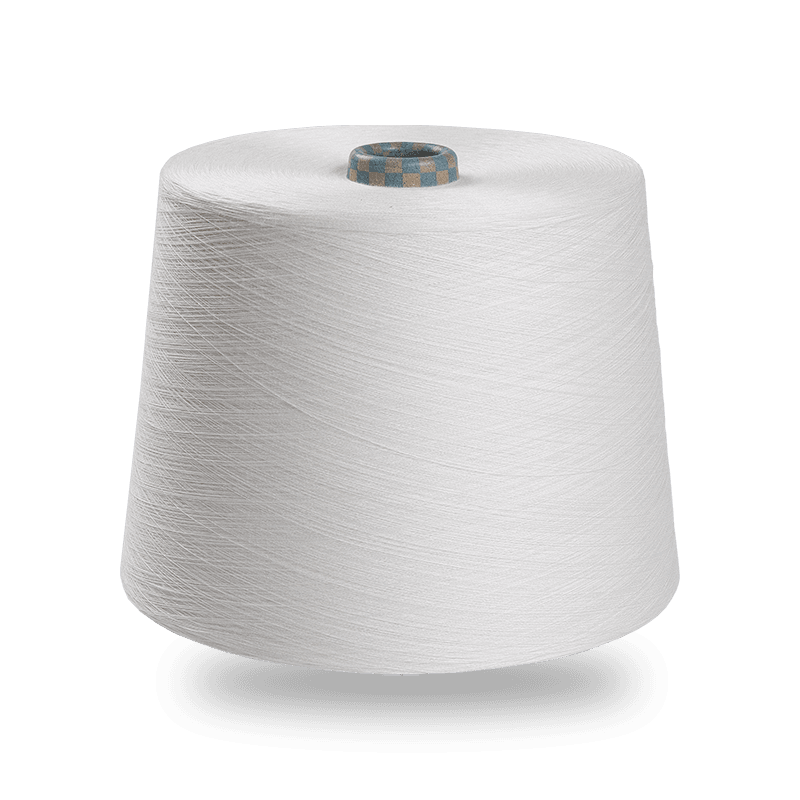
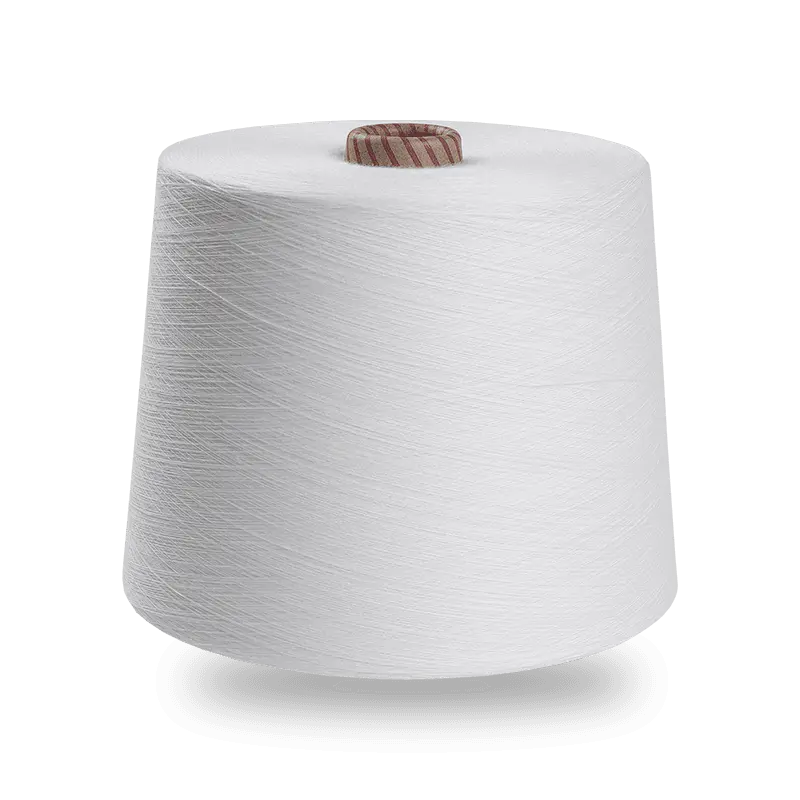
Pure viscose yarn is a semi-synthetic fiber made from regenerated cellulose, typically derived from wood pulp. Unlike synthetic yarns such as polyester or acrylic, viscose originates from natural plant material — but it undergoes significant chemical processing before becoming fiber. The result is a yarn that feels soft and silky, drapes beautifully, and carries color with exceptional vibrancy.
"Pure" viscose means the yarn contains 100% viscose with no blended fibers — no cotton, nylon, or wool added. This distinction matters because blended yarns behave differently in terms of drape, sheen, and care requirements. If a label reads "including pure viscose yarn," it signals that viscose is present in its unadulterated form within that product or collection.
Key Properties That Set It Apart
Pure viscose yarn has a distinctive performance profile. Understanding its properties helps you decide when it's the right choice — and when it isn't.
Drape and Sheen
Viscose has a natural luster that mimics silk. It falls fluidly and clings gently to the body, making it a preferred fiber for garments like lightweight tops, scarves, and evening wraps. The sheen is significantly higher than cotton or wool, which is why viscose is often chosen when a polished, elegant finish is needed.
Breathability and Comfort
Viscose is highly breathable and moisture-absorbent — it can absorb roughly 50% more moisture than cotton. This makes it comfortable against skin in warm weather. However, this same property means it can feel heavy or lose its shape when wet.
Strength and Durability
Pure viscose is notably weaker when wet. Its tensile strength can drop by up to 40–70% when saturated, which is why hand-washing with care (never wringing) is essential. For projects requiring durability, a viscose-nylon blend may outperform 100% viscose.
Pure Viscose vs. Common Yarn Alternatives
Choosing the right yarn often comes down to a direct comparison. Here's how pure viscose stacks up against frequently used alternatives:
| Property | Pure Viscose | Cotton | Acrylic | Silk |
|---|---|---|---|---|
| Sheen | High | Low | Medium | Very High |
| Drape | Excellent | Moderate | Moderate | Excellent |
| Breathability | High | High | Low | High |
| Wet Strength | Low | High | High | Medium |
| Cost | Medium | Low–Medium | Low | High |
| Eco Impact | Moderate | Moderate–High | High | Low–Moderate |
Viscose positions itself as a cost-accessible alternative to silk — delivering similar aesthetics at a fraction of the price, though with greater care demands.
Best Projects for Pure Viscose Yarn
Pure viscose yarn excels in specific project types. Matching the fiber to the right application makes a measurable difference in the finished result.
Ideal Uses
- Lightweight summer tops and camisoles — the drape and breathability are unmatched for warm-weather garments
- Shawls and wraps — the silk-like sheen creates a luxurious visual finish
- Decorative crochet work — amigurumi or wall hangings where durability under stress is not a priority
- Accent stripes or highlights in blended projects — adding sheen without committing the full project to viscose
Projects to Avoid
- Socks or items subjected to heavy friction and repeated washing
- Baby garments that require frequent machine washing
- Structured bags or baskets that need shape retention under weight
Practical Tips for Working with Pure Viscose Yarn
Viscose behaves differently from wool or cotton on the needles or hook. A few adjustments to your technique make the process much smoother.
Tension and Hook/Needle Size
Viscose has very little elasticity. Go up one hook or needle size compared to what you'd use for cotton at the same weight — this compensates for the yarn's lack of stretch and prevents tight, stiff fabric. A loose gauge also enhances the natural drape.
Swatching Is Non-Negotiable
Because viscose has minimal memory, garments can grow significantly after blocking. Always swatch, wet-block the swatch, and measure again before starting a sized project. A 10 cm swatch can easily stretch to 12 cm after washing — a 20% difference that will dramatically alter fit if not accounted for.
Washing and Care
- Hand-wash in cool water with a gentle detergent — never hot water, which causes shrinkage
- Support the full weight of the wet item when lifting — do not let it hang, as this causes stretching
- Press gently in a towel to remove water — never wring or twist
- Lay flat to dry away from direct sunlight, which can cause color fading
Joining and Weaving Ends
Viscose can be slippery, making knots and ends prone to working loose. Use the Russian join method or weave ends in multiple directions over at least 5–6 stitches to secure them reliably.
Sustainability Considerations
Viscose is often marketed as a natural or eco-friendly fiber because it's plant-based. The reality is more nuanced. Conventional viscose production uses carbon disulfide and other chemicals that pose environmental and health risks if not managed responsibly. Mills that follow closed-loop processing — such as those producing TENCEL™ (lyocell), a cleaner variant — significantly reduce this impact.
When sourcing pure viscose yarn, look for certifications such as:
- OEKO-TEX Standard 100 — confirms the finished yarn is free from harmful substances
- FSC (Forest Stewardship Council) — indicates the wood pulp source is responsibly managed
- ECOVERO™ label — a specific branded viscose with verified lower environmental impact versus generic viscose production
No fiber is without environmental cost, but selecting certified pure viscose yarn is a meaningful step toward more responsible sourcing.
How to Identify Quality Pure Viscose Yarn Before You Buy
Not all viscose yarns perform equally. Here's what to evaluate when assessing quality:
- Twist consistency: A well-spun viscose yarn has even, consistent twist along its length. Irregular twist leads to uneven stitch definition.
- Pilling resistance: Lower-quality viscose pills quickly. Request a sample and rub it lightly — excessive fiber release is a red flag.
- Color fastness: Viscose takes dye brilliantly, but cheap dyeing processes fade rapidly. Look for colorfastness ratings or test a small length with a damp white cloth.
- Label transparency: Reputable yarn producers list fiber content, country of origin, and care instructions clearly. Vague labeling often signals lower manufacturing standards.