English
 中文简体
中文简体 Español
 عربى
عربى
News
Home / News / Industry News / Boiling Water Shrinkage of Nylon 6 DTY: What It Means for Fabric Stability
Content
There is a particular kind of silence that settles over a meeting when a finished roll comes off the stenter three percent narrower than the marker and nobody can explain it. The dyehouse points at the knitter, the knitter points at the yarn, and the yarn mill points at the finishing temperature. More often than anyone likes to admit, the thread connecting all three is one line on a yarn test report that nobody read closely enough: boiling water shrinkage.
For nylon 6 DTY, that figure is not a formality. It is the earliest honest warning you get about how a yarn will behave once it meets heat, water and tension in a dyeing and finishing line. Below we walk through what the test actually measures, why textured nylon carries so much latent movement, and how to turn the number into a purchasing decision rather than a post-mortem.
Think of boiling water shrinkage as a memory test. During melt spinning, drawing and texturing, nylon 6 molecular chains are pulled into alignment and then cooled or heat-set while still under tension. The yarn leaves the package looking calm and round, but part of that stretch is still locked inside it. Immerse the yarn in boiling water and the chains are given both heat and freedom, so they coil back toward a more comfortable arrangement. The resulting length change, expressed as a percentage, is the shrinkage figure printed on the certificate.
Two details matter in practice. First, the test is run on yarn, not on fabric, so BWS is not the same as the shrinkage you will see in a finished garment; knit structure, stitch density and finishing tension all add their own contribution. What BWS gives you is the floor — the movement already built into the raw material before a single stitch is formed. Second, the test conditions carry as much weight as the result. Soaking time, water temperature, the tension the specimen is allowed to hang under and the conditioning routine before measurement can each shift the number by a percentage point or more. When a supplier quotes BWS without stating the method, you are comparing two measurements rather than two yarns. The recognised yarn-scale procedure is ASTM D2259, and it is worth naming it in your specification so everyone is talking about the same test.
The sensitivity of DTY comes down to how it is made. The yarn begins as POY, is drawn, then false-twist textured: twisted hard, heated, cooled and untwisted again. That sequence builds the crimp and bulk knitters pay for, but it also leaves the yarn in a partly stressed state. The crimp is set, not fully relaxed, and the difference between those two conditions is exactly what a boiling water test reveals.
Softness sells, and softness usually means a lower draw ratio, gentler texturing temperatures and more bulk. Every one of those choices tends to raise residual shrinkage. Heavy intermingling and high oil pickup can also limit how freely the yarn relaxes during testing. A fine denier bright DTY for lingerie and a heavier semi-dull DTY for sportswear may share the same certificate layout and still behave quite differently in a dyebath. None of this makes textured nylon a difficult material — it makes it a material that deserves an honest specification.
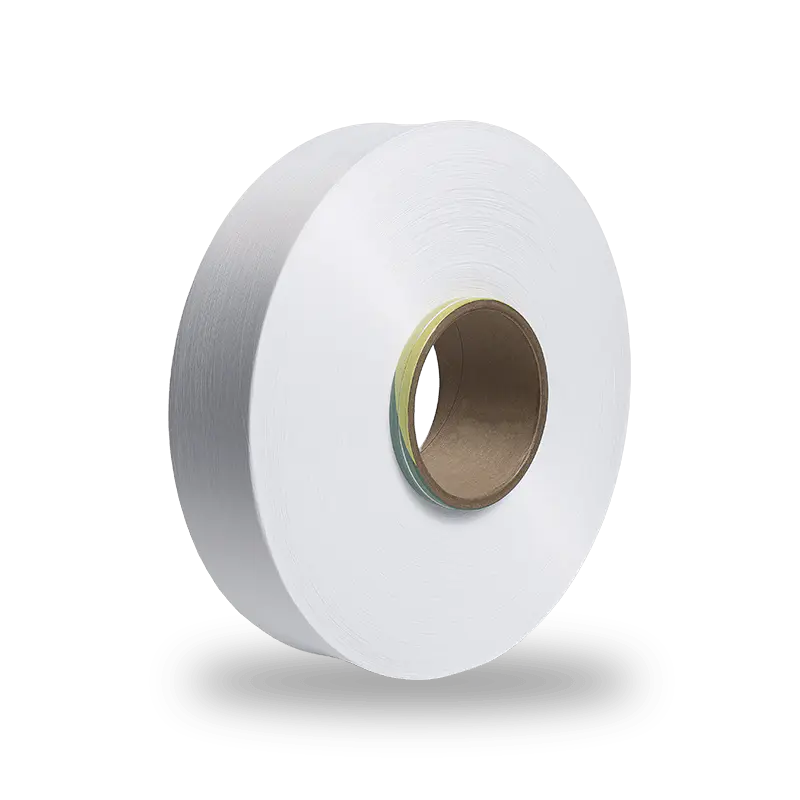
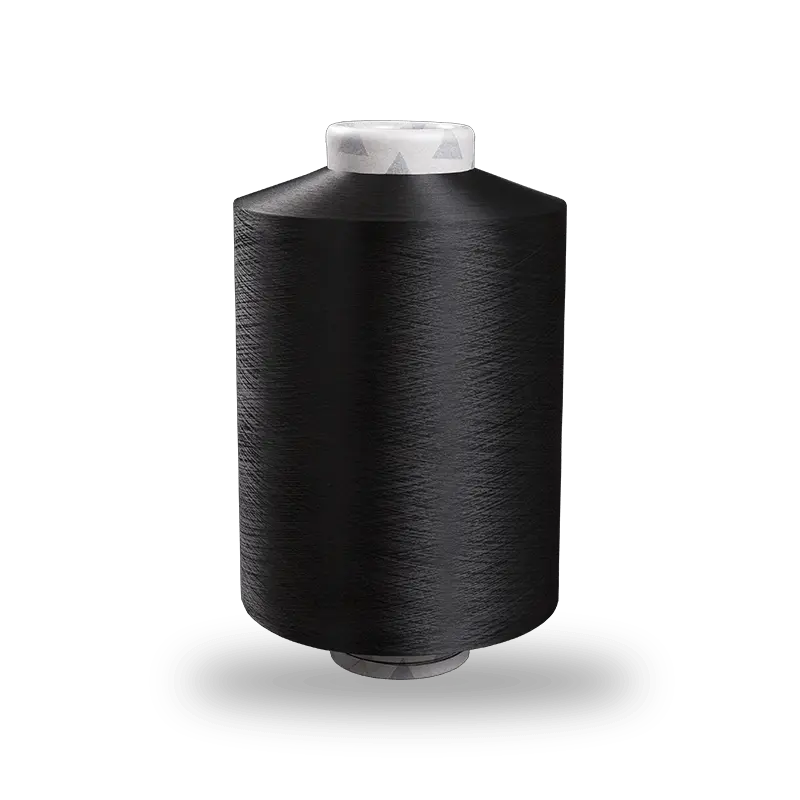 Nylon 6 Draw Textured Yarn 20D-140DDraw-textured nylon 6 filament in 20D-140D with NIM/SIM/HIM options for knitting, weaving, yoga wear and casual fabrics; review specifications before shrinkage discussions.View Product →
The figures below are ballpark values we see discussed across the trade. Treat them as a starting point for a conversation with your supplier, not as a replacement for that supplier's own test report on the lot you are buying.
| Yarn type | Indicative BWS | What it means for you |
|---|---|---|
| Nylon 6 POY | High, often well above 30% | Latent shrinkage by design; an intermediate for texturing rather than a fabric yarn |
| Nylon 6 DTY, standard textile grade | Roughly 4–10% | Bulk and crimp with moderate residual stress; match it to your finishing temperature |
| Nylon 6 DTY, heat-set or low-shrink | Typically below 4% | Chosen where dimensional control matters more than a soft, lofty hand |
| Nylon 6 FDY | Roughly 5–9% | Fewer crimp-related variables; a common choice for weaving |
| High-tenacity industrial yarn | Usually below 3.5% | Engineered for strength and low relaxation under load |
Read the table as a map rather than a promise. A 5% figure on a soft 40 denier DTY and a 5% figure on a 140 denier yarn for outerwear do not carry the same consequences, because the fabric construction around them is different. What matters is that the number is measured, declared, and consistent from lot to lot.
Shrinkage rarely announces itself as shrinkage. It usually shows up as something else entirely:
In stretch fabrics the nylon is only half of the conversation; the elastic component relaxes on its own schedule, and the two effects can either cancel out or compound.
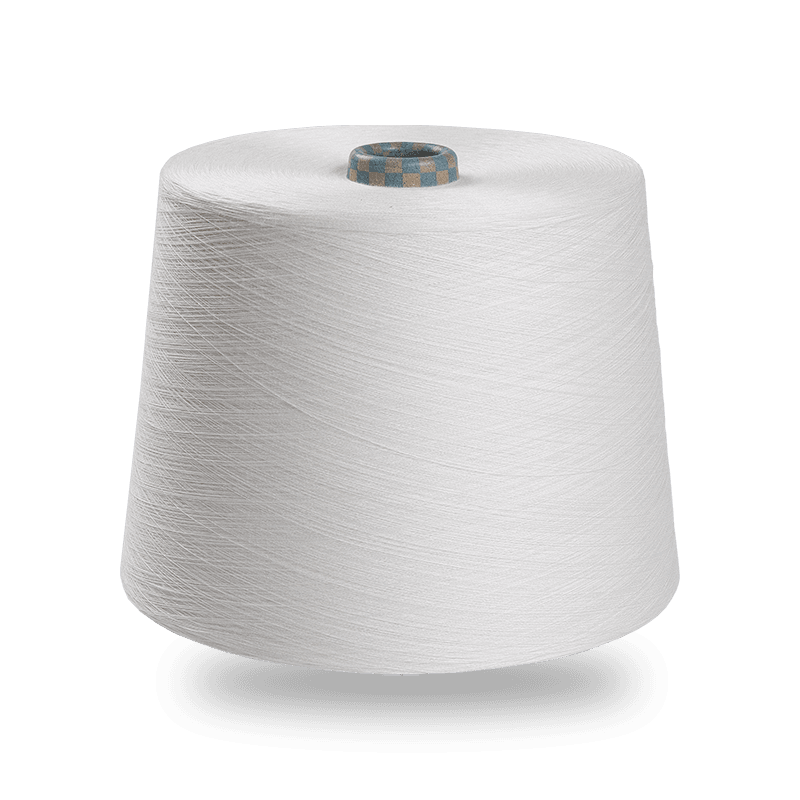
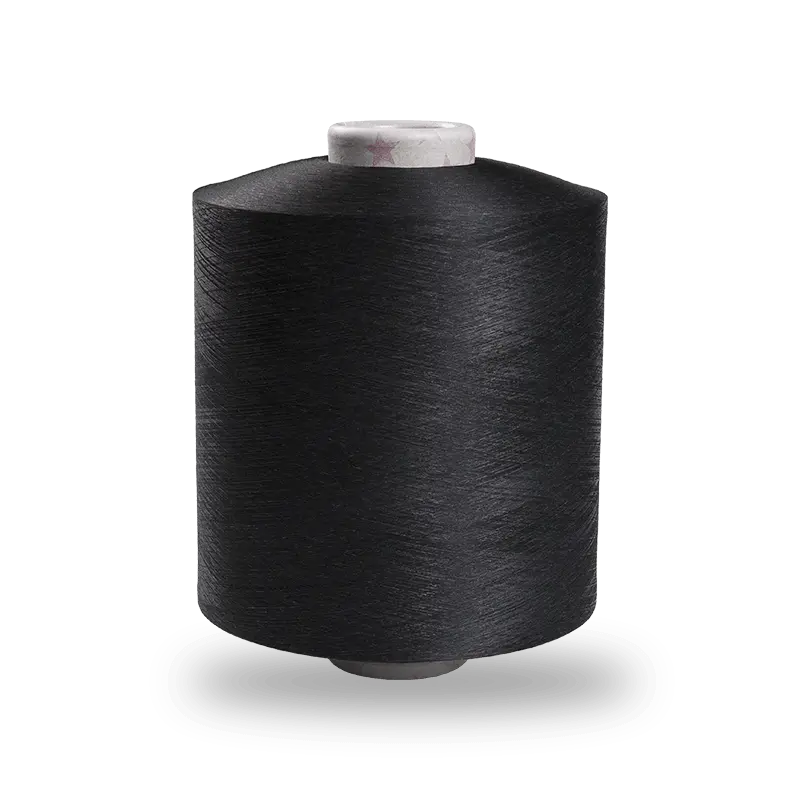 Spandex ACY Air-Covered Yarn for Stretch FabricsAir-covered yarn with nylon outer and spandex core in 20D-70D, suited to shapewear, swimwear and underwear; useful when balancing elastic relaxation with nylon performance.View Product →
Boiling water shrinkage is not a fixed property of a polymer. It is the sum of a series of process decisions, and almost every one of them is a trade-off against softness, bulk or output:
We go through the temperature side of this in more detail in our note on heat-setting parameters for nylon 6 DTY, which is useful background when you are writing a finishing recipe. It helps to remember that everything upstream starts with the base yarn.
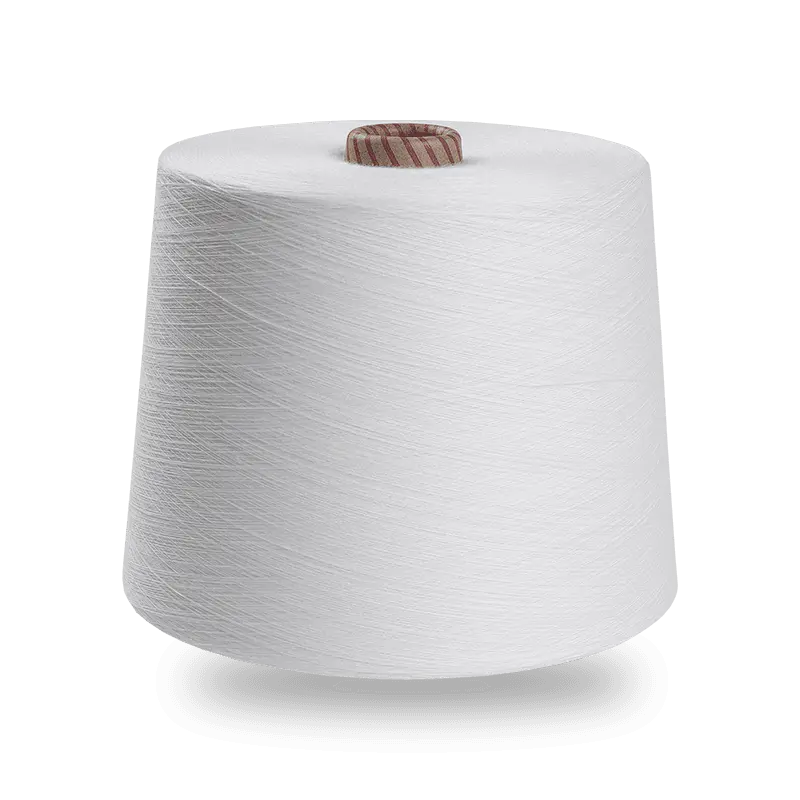
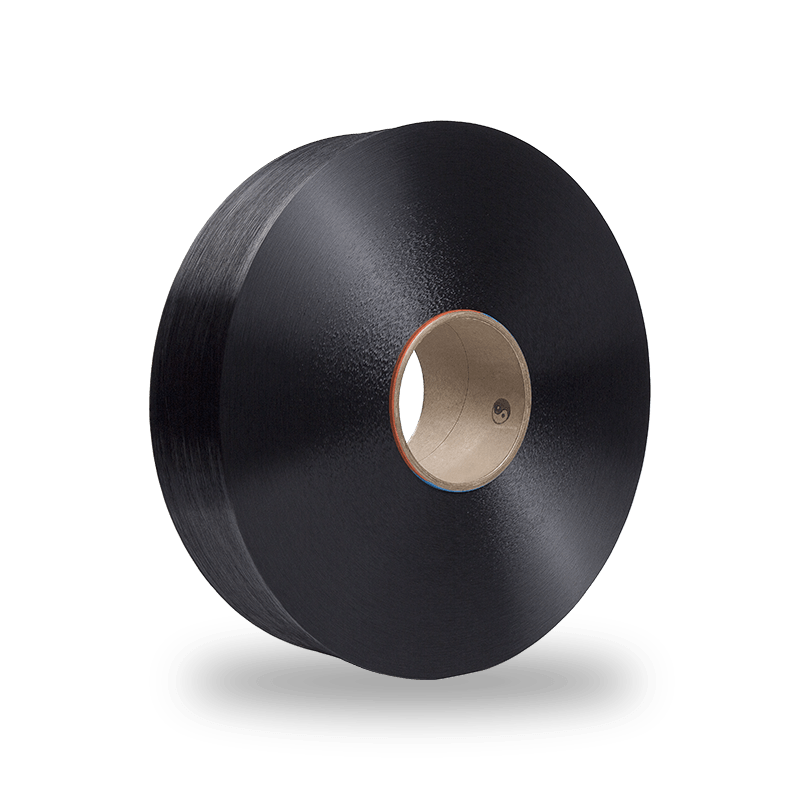 Nylon 6 POY Base Yarn 24D-240DPre-oriented nylon 6 filament for downstream DTY processing, available in 24D-240D and bright, semi-dull or full-dull lusters; relevant when tracing base-yarn effects on finishing.View Product →
A shrinkage figure only protects you if it is written down in a way both sides can verify. Five habits make the difference:
Working with a mill that tests routinely and reports honestly is worth more than a marginally lower price. You can read more about our team and our production base in Zhejiang if you want to understand how we approach that side of the business.
No. It is one input into it. Fabric shrinkage also depends on construction, stitch or pick density, finishing tension and the elastic component if there is one. BWS tells you what the yarn alone will contribute.
Partly. A pre-relaxation or steam treatment downstream can reduce the remaining shrinkage, but it also changes hand, bulk and sometimes dye uptake. Buying the right specification is usually cheaper than fixing the wrong one.
Not at all. It means the yarn was built for a different purpose. High-shrink yarns are useful where you want bulk to develop during finishing; low-shrink yarns suit dimensional stability. What matters is whether the number fits your process.
Boiling water shrinkage is one of those quiet specifications that decides whether a fabric order runs smoothly or ends in a meeting nobody enjoys. It costs very little to measure and very little to declare — and it saves an extraordinary amount of argument later. If you are unsure which shrinkage window suits your fabric, send us your finishing conditions and we will tell you honestly what we would recommend, including when a different yarn would serve you better.
+86-(0)572-6295569
+86-193 5712 3632
# 1, Fuqian Street, Si'an Town, Changxing County, Huzhou City, Zhejiang Province, China.