English
 中文简体
 Español
 عربى

News
Home / News / Industry News / Bright, Semi-Dull and Full-Dull Nylon 6 FDY: Luster Options Explained for Fabric Buyers
Content
Nylon 6 FDY is seldom specified on denier and filament count alone. The look of the finished fabric — glossy or matte, deep in colour or softly muted — usually traces back to a decision made long before the yarn reaches a knitting machine: how much delustrant goes into the polymer. Bright, semi-dull and full-dull are all the same nylon 6 at heart. What separates them is titanium dioxide, and what that fine white pigment does to light. We have run all three grades on the same spinning lines for years, and the questions buyers bring us about luster are remarkably consistent, so this is the explanation we usually give.
Luster describes how a filament handles light at its surface. A perfectly smooth, pigment-free nylon filament reflects a good share of the light that hits it in a single direction, which is why it looks bright and almost wet. Add titanium dioxide — a finely divided white pigment introduced during polymerisation or into the chip before spinning — and the light is scattered in many directions instead. The more pigment, the more scattering, and the flatter the yarn looks.
Two things about this are worth holding on to. First, luster is a property of the fibre body, not a surface treatment, so it does not wash off, wear away or change after dyeing. Second, TiO2 is only one of several levers. A trilobal cross-section will sparkle more than a round one at the same pigment level, finer filaments read brighter than coarser ones, and intermingling nodes scatter a little light of their own. When a fabric looks wrong, the luster grade is the first thing to check, but it is not always the only cause.
The three standard grades differ mainly by pigment loading, and each has a distinct personality in the loom or the knitting machine. The table below is how we usually frame the choice in conversation; treat the figures as a starting point for your own specification rather than as fixed rules.
| Grade | TiO2 (typical) | Appearance | Covering power | Colour response | Usual end uses |
|---|---|---|---|---|---|
| Bright | 0–0.05% | Clear, high gloss, slightly translucent | Low; fine knits can read see-through | Vivid deep shades; unevenness shows up easily | Lingerie, lace, ribbons, eveningwear, technical fabrics needing a clean sheen |
| Semi-Dull | About 0.3% | Soft sheen, balanced | Moderate | Good colour yield with a softer face | Sportswear, swimwear, seamless knits, outerwear; the general-purpose workhorse |
| Full-Dull | About 1.5–2.0% | Matte and flat, almost chalky in fine deniers | High; hides body and structure well | Slightly muted shades with excellent coverage | Matte activewear and leggings, linings, uniform fabrics, cotton-like blends |
Buyers often assume the grade only affects gloss. In practice it ripples through dyeing, coverage, handle and even the way defects appear.
Bright yarn gives the cleanest, most saturated colours, which is exactly why it dominates lingerie and lace. The trade-off is sensitivity: because light bounces off the surface, small differences in dye uptake, tension or filament evenness become visible as streaks. Full-dull yarn scatters light inside the fibre, so shading is more forgiving and pale or mid-tone shades appear softer. If you are matching a shade across multiple lots, the duller grades generally give you more room for error.
Full-dull is the practical answer when you need a light fabric that should not reveal what sits beneath it — pocket linings, modesty panels, coated substrates, uniform cloth. Bright, by contrast, can look almost transparent at low cover factors, which is a benefit in sheers and a problem everywhere else.
There is a tactile difference too. Bright filaments feel slicker and cooler against the skin; full-dull filaments feel drier and closer to a spun yarn, which is why they appear in collections that want a cotton-like touch without giving up filament strength. Semi-dull sits comfortably between the two and is the reason it remains the volume grade in most sportswear programmes.
Finishes can shift the final gloss of a fabric more than many people expect, and the behaviour differs by grade, so it is worth testing the finish and the luster together rather than separately. Our own technical notes on how finishes affect bright, semi-dull and full-dull nylon cover that interaction in more detail. Titanium dioxide is also photoactive, so a full-dull yarn needs a well-chosen stabiliser package if the fabric will spend its life outdoors; a reputable supplier should be able to tell you what is in the package.
As a rough working map, most programmes fall into one of these three tracks:
Many knit fabrics are built from textured yarn rather than flat filament, and the same luster logic carries straight over into DTY. A semi-dull feed yarn textured into a soft, bulky yarn is a very common route for activewear; if that is the direction your fabric is heading, have a look at our
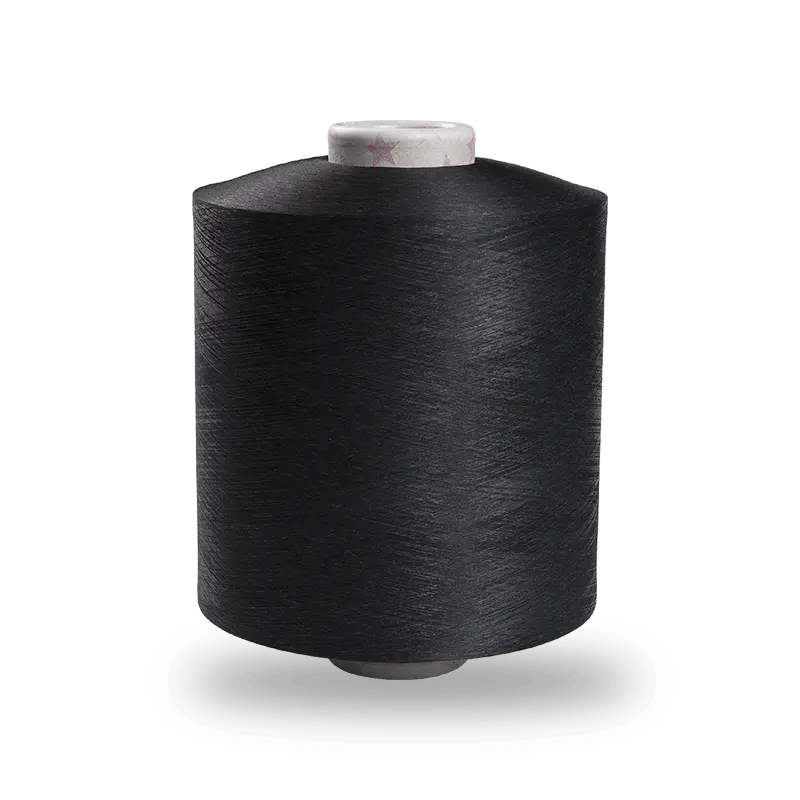
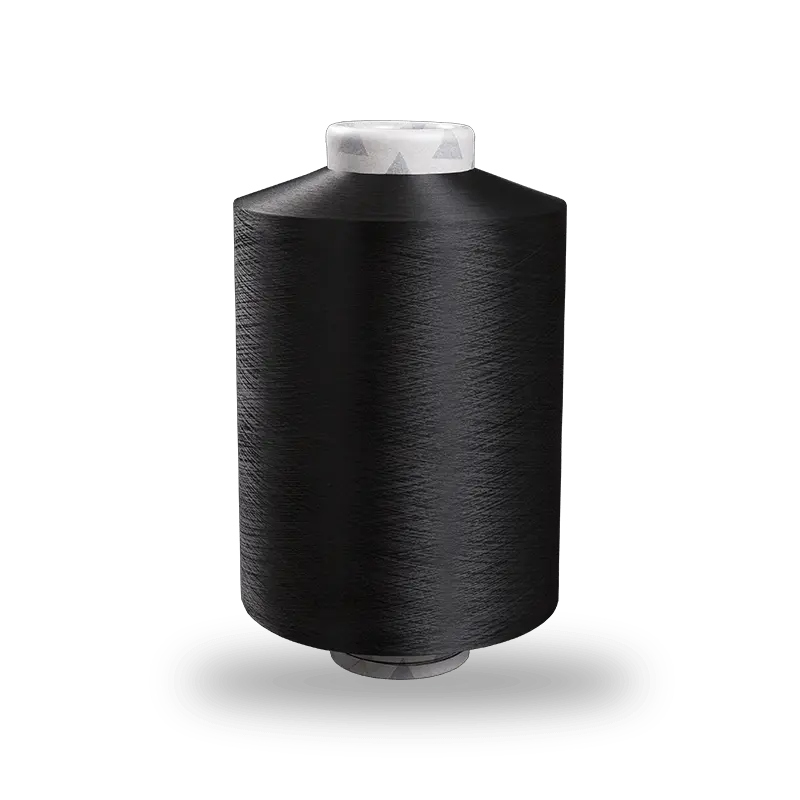 Nylon 6 DTY for Soft, Elastic Knit FabricsDraw textured nylon 6 yarn offering fluffiness, elasticity, and luster options for activewear and knit fabric development.View Product →
range and we can discuss which luster grade suits your colour card.
We have been spinning nylon 6 in Changhe since 2017, and our FDY line runs at an annual capacity of 20,000 tonnes alongside our POY and DTY operations. Spinning and winding sit on TMT equipment, with in-line tension and package control that matter more for bright grades than most people realise, because bright yarn has nowhere to hide. Our provincial high-tech research and development centre is where luster specifications get tuned for individual customers, and our GRS certification means recycled programmes can be discussed on the same footing as conventional ones.
If you are weighing up bright against semi-dull or full-dull for a new development, our
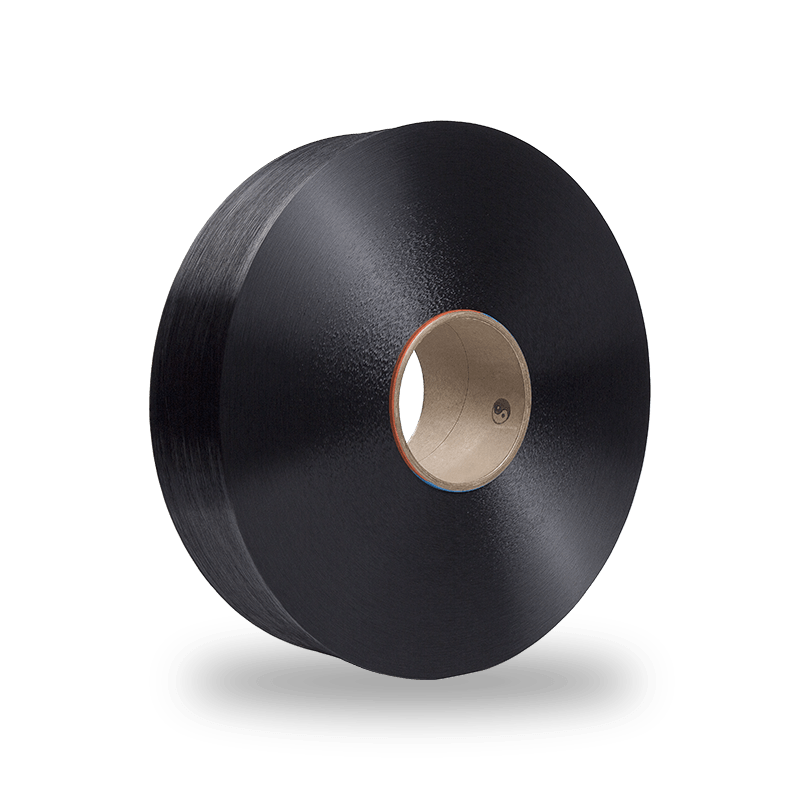
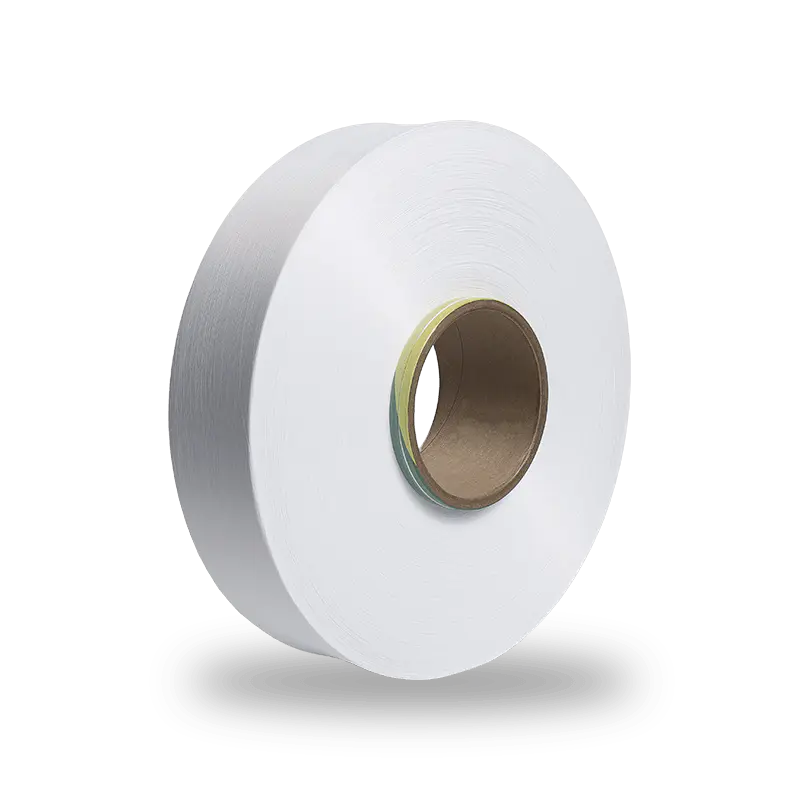 Nylon 6 FDY in Bright, Semi-Dull and Full-DullFully drawn nylon 6 filament yarn with stable dyeing uniformity and multiple luster choices, suited to sportswear and knit development trials.View Product →
page lists the deniers and filament counts we hold most often, and we are always happy to send cones for trial.
Luster is one of those specifications that seems minor on a purchase order and turns out to decide how a fabric photographs, how evenly it dyes and how it feels in the hand. Choose the grade against your end use rather than against the price list, test it in your own process, and keep the specification stable once you have found the right match. If you would like a second opinion on a development, or simply want to compare samples of all three grades side by side, our team is easy to reach and genuinely enjoys this part of the conversation.
Boiling Water Shrinkage of Nylon 6 DTY: What It Means for Fabric Stability
Cationic Dyeable vs. Regular Nylon 6 DTY: A Buyer’s Guide to Differences
+86-(0)572-6295569
+86-193 5712 3632
# 1, Fuqian Street, Si'an Town, Changxing County, Huzhou City, Zhejiang Province, China.