English
 中文简体
 Español
 عربى

News
Home / News / Industry News / Cationic Dyeable vs. Regular Nylon 6 DTY: A Buyer’s Guide to Differences
Content
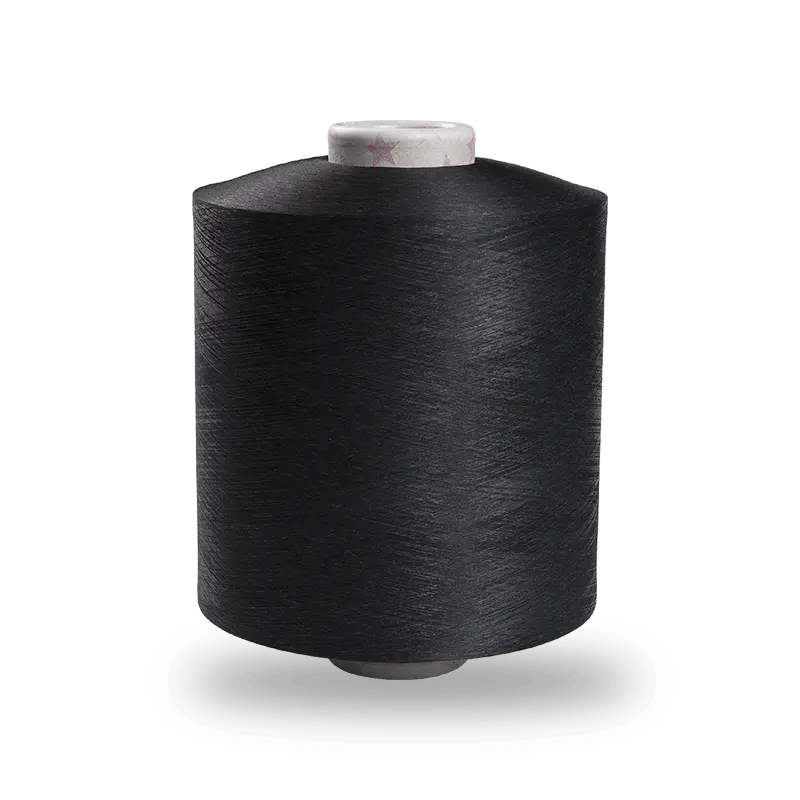
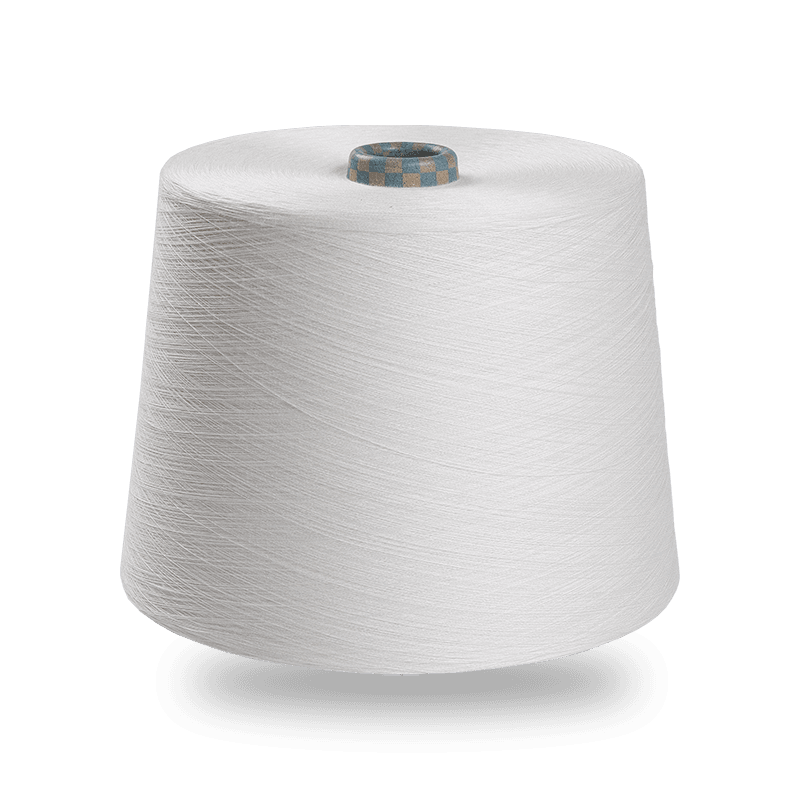
Put two cones of nylon 6 DTY side by side on a shelf and you will not be able to tell them apart. Same lustre, same hand, same denier printed on the label. Yet one of them will pull a deep, brilliant black in a short dyebath, and the other will need more dye, more time and a longer rinse to get anywhere near it. That is the practical reality behind the cationic dyeable versus regular nylon 6 DTY question, and it is a question worth answering properly before you commit a production run.
The word "cationic" describes the dye, not the fiber. Cationic (basic) dyes carry a positive charge in the dyebath. For a fiber to accept them, it needs fixed negative sites to bond to. Regular nylon 6 has only a small number of amine end groups at the chain ends, which is why it is normally dyed with acid or metal-complex dyes. Cationic dyeable nylon 6 is made by copolymerising caprolactam with a sulfonated comonomer, typically a sodium sulfoisophthalate derivative, during polymerisation. The sulfonate groups are built directly into the polymer backbone, so the negative dye sites are permanent and evenly distributed through every filament.
That distinction matters. Surface coatings, topical treatments and after-treatments can fade or wash out. A polymer-level modification cannot. It also means the difference in dyeing behaviour is predictable batch to batch, which is what a dyehouse really needs.
It is easy to talk about cationic nylon as if it were a different fiber family. It is not. Both products start as nylon 6 polymer, are melt-spun into filaments, and then go through false-twist draw texturing to gain crimp, bulk and stretch. Both are specified by denier and filament count, intermingling node count, oil pick-up, boil-off shrinkage and tenacity, and both are delivered on the same paper or plastic tubes.
In other words, your texturing, warping, knitting and weaving parameters usually transfer without major changes. What changes is the chemistry of the dyebath and a handful of physical properties that come along with the modified polymer.
| Property | Cationic dyeable nylon 6 DTY | Regular nylon 6 DTY |
|---|---|---|
| Dye sites | Sulfonate groups copolymerised into the chain | Amine end groups only |
| Main dye class | Cationic (basic) dyes | Acid, weak acid, metal-complex dyes |
| Typical dyebath pH | About 4.0 to 5.0 | About 4.5 to 6.5 |
| Dyeing temperature | 95 to 98 degrees Celsius | 95 to 100 degrees Celsius |
| Colour depth on deep shades | High, with strong brightness | Moderate; needs more dye and time |
| Dye exhaustion | High, shorter cycles | Lower, longer cycles |
| Tenacity | Often around 5 to 10 percent lower | Reference level |
| Moisture regain | Slightly higher | Reference level |
| Hand feel | Softer, slightly more supple | Firmer, crisper |
| Relative yarn cost | Premium | Baseline |
Regular nylon 6 DTY is a familiar animal to most dyehouses. Weak acid dyes applied at pH 4.5 to 6.5 give good levelness, and the shade builds gradually, which is forgiving. The limitation is dye-site saturation: the amine end groups run out, so very deep shades require heavy dye loads, long holding times and careful leveling, and the result can still look dull or bronzy compared with what the designer had in mind. If you are still working with acid dyes on regular nylon, our notes on common problems and solutions for dyeing nylon with weak acid dyes cover the usual troubleshooting ground.
Cationic dyeable DTY behaves differently. Because the sulfonate sites are abundant and evenly spaced, basic dyes exhaust quickly and deeply, often with a shorter cycle, lower dye concentration and less electrolyte. Blacks, navies and brilliant reds come out cleaner and more saturated. The trade-offs are real, though: basic dyes need tighter pH control, they do not always level as easily when the liquor ratio or the liquor flow is uneven, and some basic dye ranges have weaker lightfastness than the best acid dyes. For outdoor or automotive work, that last point deserves testing rather than assumption.
The sulfonated comonomer is bulky and slightly disrupts the regularity of the polymer chain. The practical consequences are modest but measurable. Cationic dyeable nylon 6 DTY usually shows a little lower tenacity and a little higher elongation at break, a slightly higher moisture regain, and a marginally softer hand. Heat-setting windows may need a small adjustment, and very fine deniers can be a touch more sensitive to over-stretching during texturing.
For most apparel and hosiery end uses these differences disappear into the fabric. For high-tenacity technical work, seat belts, airbags or heavily loaded industrial fabrics, they can matter a great deal.
One of the more elegant uses of this chemistry is to put both yarns in the same fabric. Knit or weave cationic dyeable nylon alongside regular nylon, then dye with a basic dye and an acid dye in one bath. The basic dye goes to the cationic portion, the acid dye to the regular portion, and with a little care you can achieve two-tone, melange, colour-and-white or shadow effects that would otherwise need space dyeing or separate yarn lots.
Three practical points help here. First, confirm the blend ratio with your knitter or weaver, because a 30/70 split and a 50/50 split give very different visual results. Second, choose auxiliaries that are compatible with both dye classes; an anionic leveling agent meant for acid dyes can precipitate basic dyes and leave spots. Third, set the pH so both classes exhaust at a similar rate, otherwise one component will be much darker than planned.
Cationic dyeable nylon 6 DTY carries a premium. The comonomer is not cheap, the polymerisation route is more demanding, and spinning yields are slightly lower. That premium is usually offset, at least partly, by savings further down the chain: less dye, shorter cycles, lower steam use and a lighter effluent load, all of which show up on the dyehouse cost sheet rather than the yarn invoice.
Availability is the other factor. Standard deniers and filament counts are generally easy to find in both types, but very fine deniers, bright or full-dull variants, and special intermingling levels may need longer lead times in the cationic version. If the shade matters more than the price per kilogram, plan the order earlier.
Since the two yarns look identical, verification has to be analytical. A short, practical programme looks like this:
These tests take a day or two and save weeks of argument later.
As a rule of thumb: choose cationic dyeable nylon 6 DTY when the design calls for deep, brilliant or very clean shades, when you want to cut dye consumption and effluent load, when a softer hand helps the fabric, or when you plan a differential-dye effect with a second nylon component. Choose regular nylon 6 DTY when cost per kilogram dominates, when high tenacity and dimensional stability are the priority, when the final product needs the best possible lightfastness in an outdoor environment, or when you simply want the widest and fastest supply base.
If you are weighing the two for an upcoming programme, it helps to talk through the end use with the yarn maker rather than deciding from a shade card. Our
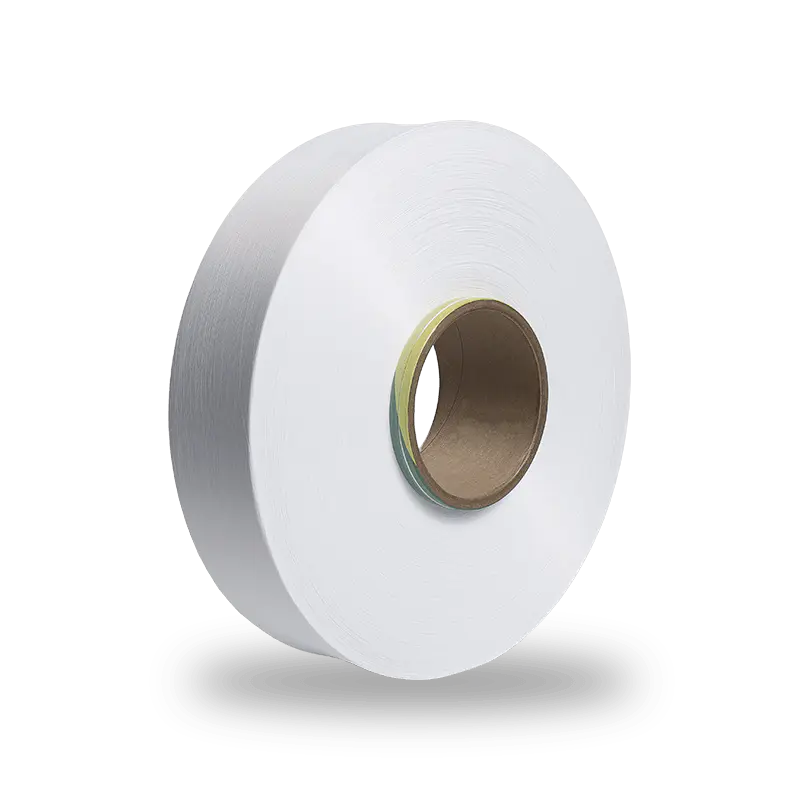
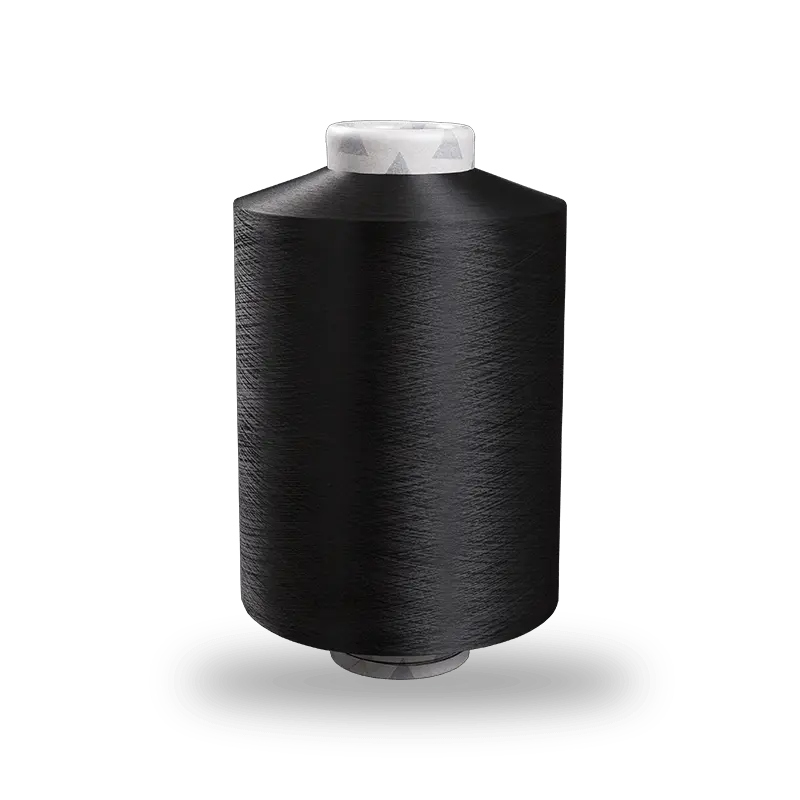 Regular Nylon 6 DTY for Knitting and WeavingA regular nylon 6 DTY option with NIM, SIM, and HIM intermingling, suited to knitting, weaving, and apparel fabrics where balanced strength and supply matter.View Product →
The difference between cationic dyeable and regular nylon 6 DTY is not a difference in quality. It is a difference in design intent. One is built to hold deep colour efficiently, the other is built to deliver the widest balance of strength, cost and supply. Get the intent right at the yarn selection stage and the dyehouse, the designer and the finance team all end up happier.
Bright, Semi-Dull and Full-Dull Nylon 6 FDY: Luster Options Explained for Fabric Buyers
No next article
+86-(0)572-6295569
+86-193 5712 3632
# 1, Fuqian Street, Si'an Town, Changxing County, Huzhou City, Zhejiang Province, China.