English
 中文简体
 Español
 عربى

News
Home / News / Industry News / Cotton-Nylon Blended Ring Spun Yarn: Properties, Balance, and Practical Uses
Content
Cotton-nylon blended ring spun yarn is one of those practical yarns that rarely gets a headline, yet quietly solves real fabric problems. In our day-to-day work with spinners, knitters, and weavers, we see it used where all-cotton feels too weak or too slow to dry, and where all-synthetic yarn feels too slick or too warm. The blend is not a magic formula. Its performance depends on the cotton grade, nylon staple specification, blend ratio, and the way the fibers are opened, blended, drafted, and twisted on the ring frame.
Most commercial ranges sit around 80/20 or 90/10 cotton/nylon, though 70/30 and 75/25 appear in technical or heavy-duty fabrics. The aim is usually to keep cotton next to the skin while using nylon to lift strength, abrasion resistance, and shape retention. Get the preparation right, and the yarn feels surprisingly balanced; get it wrong, and the same recipe can feel harsh, pill, or dye unevenly.
A cotton-nylon blended ring spun yarn is made from staple fibers, not filaments. Cotton is prepared through opening, carding, and usually combing; nylon is supplied as cut staple, often in fine deniers, and blended at the draw frame or a dedicated blending line. The intimate blend is then drafted and twisted on a ring spinning frame. Because ring spinning controls fiber migration and twist more gradually than rotor spinning, it can produce a smooth, strong yarn with a soft hand when draft and twist are matched to the count.
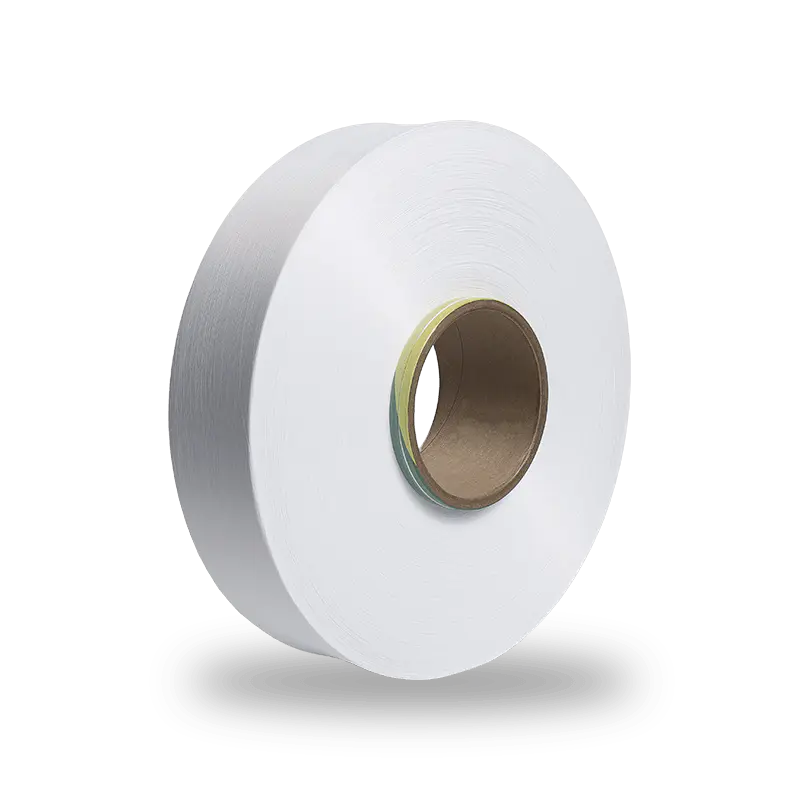
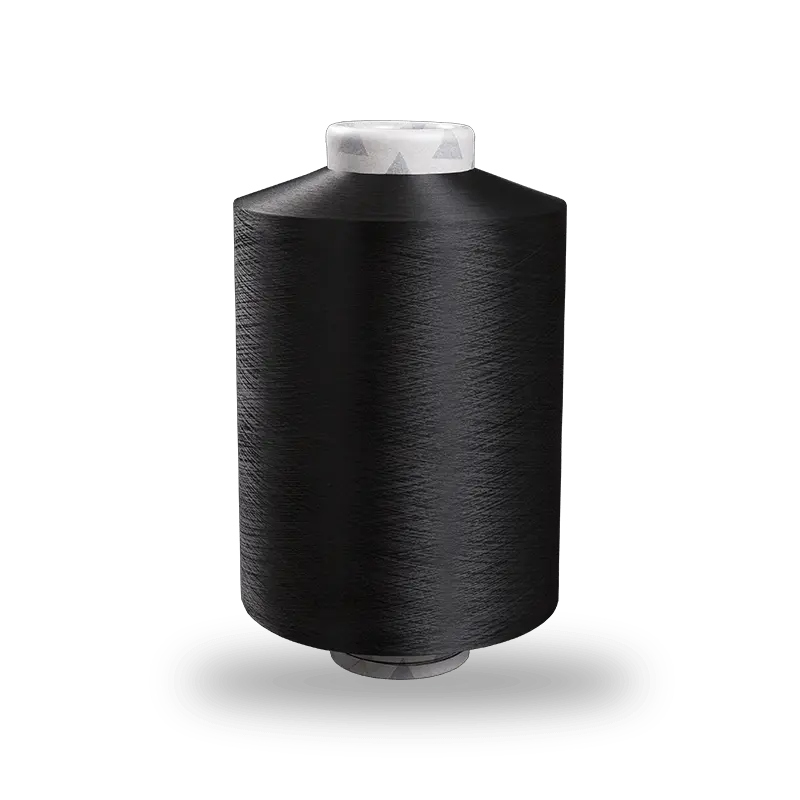
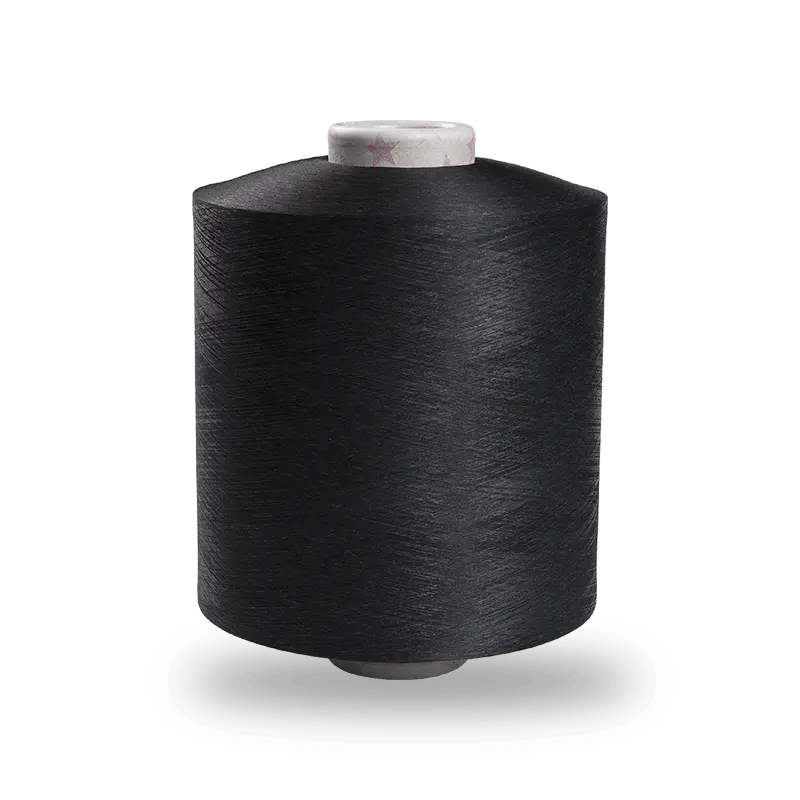
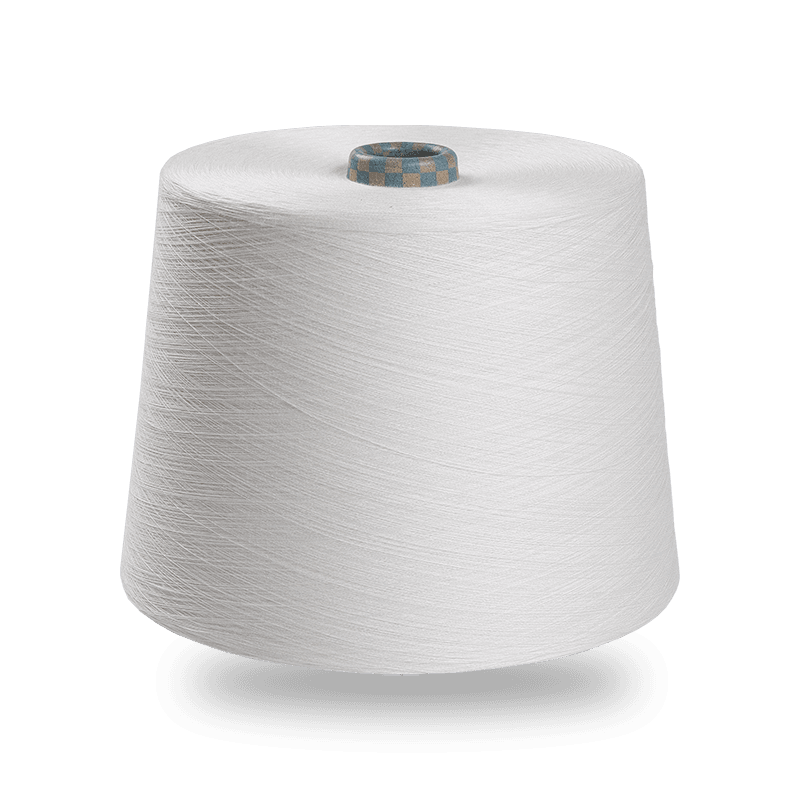 Cotton-Nylon Blended Ring Spun YarnA staple-fiber blend that distributes nylon through the yarn body for strength and abrasion resistance while retaining a soft hand.View Product →
This is different from core-spun yarn, where a nylon filament sits in the core. In a blended ring spun yarn, nylon staple fibers are distributed through the yarn body. That distribution is why the blend can improve strength and abrasion without making the fabric feel like a coated synthetic.
Not every benefit is automatic. These are the properties buyers ask about most often, and each one depends on ratio, fiber quality, and spinning conditions.
| Blend ratio | Main performance shift | Common fabric directions |
|---|---|---|
| 80/20 cotton/nylon | Balanced strength, softness, and abrasion resistance | Workwear, shirting, socks, home textiles |
| 90/10 cotton/nylon | Cotton-rich hand and moisture comfort with a light durability boost | Everyday knits, woven shirts, toweling |
| 70/30 cotton/nylon | Higher toughness and recovery, with a drier hand | Heavy-duty uniforms, upholstery, bags, technical woven fabrics |
In practice, 80/20 is the workhorse ratio for a reason: it gives a noticeable durability gain while keeping enough cotton for comfort. 90/10 is better for soft, cotton-forward fabrics. 70/30 leans toward toughness and recovery, but it needs a more careful hand and dyeing plan.
Cotton-nylon ring spun yarn rarely owns a category by itself. It earns its place where a fabric must feel familiar but survive longer.
These are directions, not guarantees. Fabric structure, finishing, and the exact nylon content decide whether the final product feels soft, crisp, stretchy, or tough.
On the mill floor, cotton-nylon blends are less forgiving than either fiber alone. Nylon staple tends to be slick and can generate static, so pre-blending, humidity control, and anti-static preparation matter. Cotton needs cleaning and opening without over-working the fiber. If nylon is added as cut staple, the cut length and denier should match the cotton length and the intended yarn count. Short nylon fragments can migrate to the surface; long or coarse nylon can create dark dye specks or a harsh hand.
Twist is another balance point. Enough twist gives strength and a clean surface; too much twist makes the yarn lively, with a lean or snarled hand, especially in fine counts. For knitwear, we often see the best results with combed cotton, fine-denier nylon, and a moderate twist factor. For woven fabrics, a slightly higher twist can improve warp performance. Conventional ring spinning gives a characteristic fiber wrap; compact or siro-spun variants can reduce hairiness and improve strength for finer counts.
Sourcing should start with the fabric failure point, not the data sheet. A sock that wears at the heel needs different nylon tenacity and elongation from an upholstery fabric that must resist flex fatigue. A shirt that will be garment-dyed needs a different blend evenness target from a piece-dyed woven fabric.
Use this checklist when you compare suppliers or develop a new quality:
We keep the testing conversation practical: what will the fabric do after five washes, not just what the certificate says on delivery. If you are comparing samples, our yarn testing and quality control process shows the kind of checks we can run before bulk.
Cotton-nylon blended ring spun yarn is not a universal replacement for either fiber. It is a tunable middle ground for fabrics that need cotton comfort, a stronger hand, and better abrasion performance. Choose the ratio for the job, then protect the blend with good fiber preparation, controlled spinning, and a finishing route that matches the end use. If you have a target count, blend ratio, and fabric construction in mind, share your target specs and we can discuss a sample route that fits your line.
Common Yarn Defects in Knitting and Weaving: A Practical Troubleshooting Guide
Covered Yarn for Elastic Webbing and Medical Bandages: A Practical Buyer’s Guide
+86-(0)572-6295569
+86-193 5712 3632
# 1, Fuqian Street, Si'an Town, Changxing County, Huzhou City, Zhejiang Province, China.