English
 中文简体
中文简体 Español
 عربى
عربى
News
Home / News / Industry News / Custom Synthetic Fiber Production: Why Brands Choose Tailored Yarn Solutions
Content
Synthetic fibers now account for 69% of global textile production—and that share is projected to climb to 73% by 2030. Yet the more interesting shift happening inside that statistic isn't volume. It's specificity. Brands that once ordered standard polyester or nylon from commodity suppliers are increasingly commissioning fiber engineered to their exact technical requirements. The reason is straightforward: when your closest competitor is drawing from the same pool of off-the-shelf yarns, differentiation starts at the fiber level.
For much of the twentieth century, yarn was a commodity input—priced by denier, sold by the kilogram, and chosen primarily on cost. That model worked when textile markets were segmented by geography and consumers had limited choice. Neither condition holds today.
The global synthetic fibers market was valued at USD 106.3 billion in 2026 and is forecast to reach USD 168.5 billion by 2033, growing at a compound annual rate of 6.8%. Within that growth, the fastest-moving segments—performance sportswear, technical textiles, athleisure, and sustainable apparel—share a common characteristic: they demand material properties that generic yarns simply weren't designed to deliver consistently.
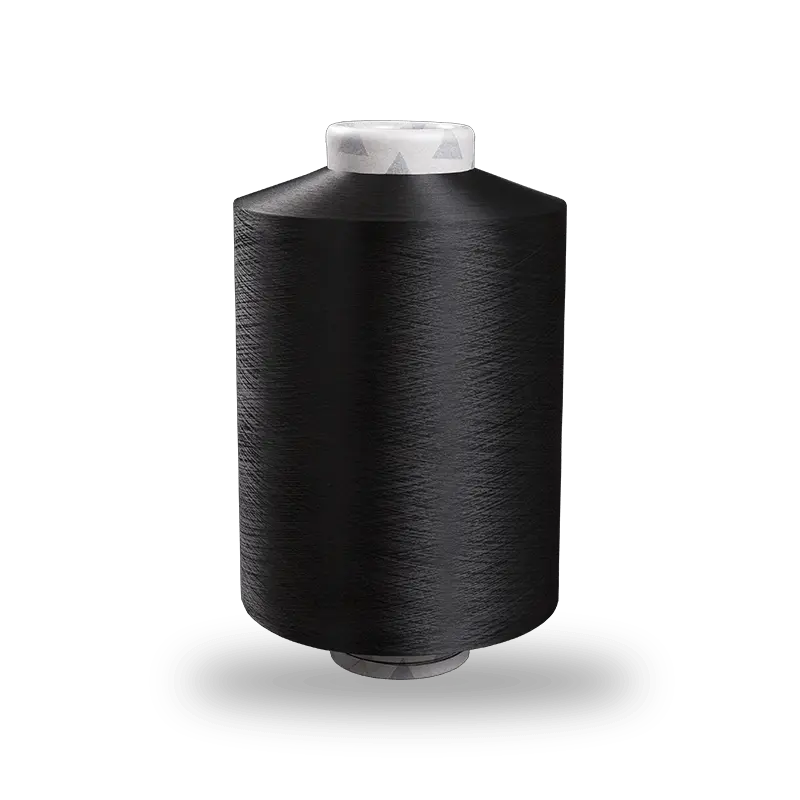
Brands competing in these categories face a structural problem. A standard DTY polyester that performs acceptably in one fabric construction may generate unwanted pilling in another. A nylon yarn engineered for hosiery may lack the tenacity required for outerwear. Sourcing managers who once treated yarn as interchangeable are discovering that small variations in twist, finish chemistry, or fiber cross-section have outsized effects on downstream product quality. Custom fiber production closes that gap by aligning the yarn's engineered properties with the brand's end-use requirements before the weaving or knitting stage begins.
The term "custom yarn" covers a wide range of manufacturing parameters—and understanding what can be specified helps brands ask the right questions when approaching a fiber producer.
The most commonly adjusted variables include:
A reliable custom fiber manufacturer will work through these parameters collaboratively, produce development samples, and lock the specification before committing to production. That development phase—often two to four weeks for complex specifications—is what separates a genuine manufacturing partner from a supplier simply relabeling a standard product.
The business case for tailored yarn solutions rests on measurable outcomes. Brands that have moved to custom specifications consistently report improvements across several performance dimensions.
Moisture management and thermal comfort remain the most cited drivers in activewear. A fiber engineered with a specific cross-section and surface finish can move sweat away from the skin faster than a commodity equivalent of identical denier. That performance difference is quantifiable in standardized wicking tests—and it's the kind of claim a brand can substantiate on hangtags and in marketing.
Tensile strength and abrasion resistance matter enormously in technical textiles and outerwear. Fully drawn nylon filament yarn engineered for demanding structural applications achieves consistent tenacity that commodity nylon cannot guarantee batch to batch. For brands selling into workwear or protective apparel categories, that consistency is non-negotiable.
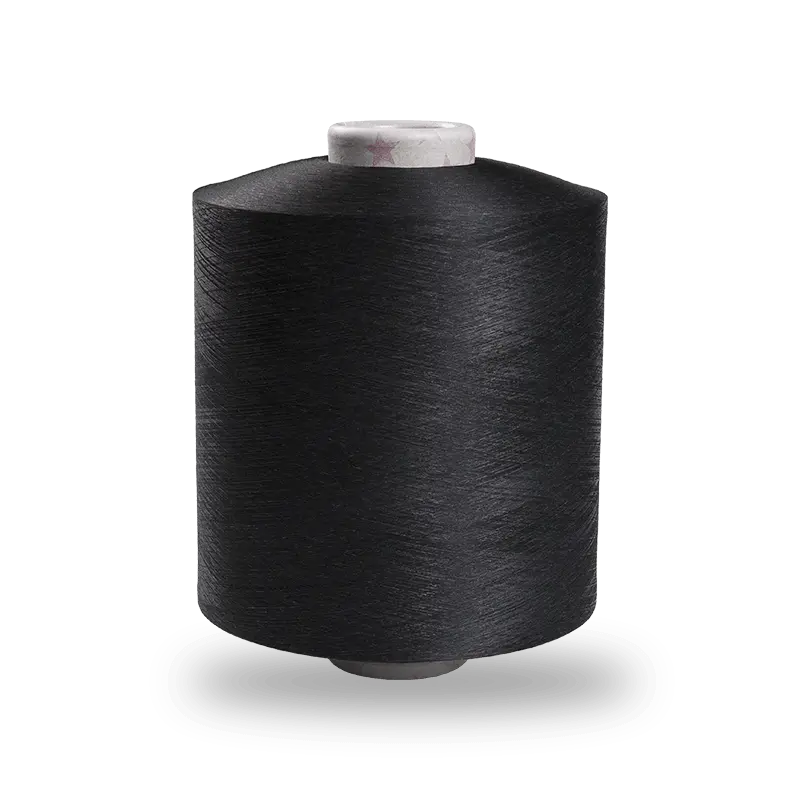
Stretch and elastic recovery in garments that contain elastomeric components depend heavily on how the core and cover yarns are specified together. Spandex-coated construction yarns designed to exact elongation and recovery parameters give fabric developers precise control over the garment's fit behavior over time—a critical factor in activewear and shapewear where consumer returns from fit failure are expensive.
Beyond individual fiber properties, custom production also improves inter-batch consistency. When a brand scales from development quantities to full production, color, luster, and mechanical properties need to remain stable. This is where commodity supply chains frequently disappoint—and where a dedicated custom production relationship pays dividends.
Sustainability is no longer a differentiator—it is increasingly a market entry requirement. The EU's mandatory textile waste collection framework took effect in 2025, and traceability regulations in both Europe and North America are tightening. Brands sourcing custom synthetic fibers are incorporating sustainability parameters directly into their fiber specifications.
The most impactful choices at the fiber level include:
Third-party certification matters here. The OEKO-TEX STANDARD 100 certification system—which tests textiles for harmful substances at every stage from raw yarn to finished product—gives sourcing teams an independently verified baseline for supplier evaluation. Asking a custom fiber manufacturer whether their yarns carry this certification is a simple, effective screening step.
Brands that integrate sustainability directly into their fiber specification—rather than applying it as a downstream label—find it far easier to substantiate environmental claims to regulators and consumers alike.
The supply chain case for custom fiber production is as compelling as the technical one. When a brand works with a dedicated manufacturer to develop a proprietary yarn specification, several structural advantages follow.
Specification lock-in creates competitive insulation. A commodity yarn can be sourced by any competitor. A yarn developed to a proprietary specification—with specific polymer additive ratios, twist parameters, and surface finishes documented in a technical data sheet held jointly by the brand and manufacturer—cannot be easily replicated. This creates a meaningful barrier that does not expire the way a design patent eventually does.
Batch consistency becomes contractually enforceable. With a standard supplier relationship, the brand accepts whatever variation exists between mill runs. With a custom production partner, acceptable tolerances for denier, tenacity, elongation, and color delta-E are specified upfront. Ring-spun yarn produced under controlled, repeatable conditions gives quality teams concrete acceptance criteria rather than subjective assessments.
Lead times become more predictable. When a manufacturer holds raw materials and capacity allocation specifically for a customer's specification, production scheduling becomes more reliable. This is particularly valuable in apparel supply chains, where late yarn deliveries cascade into delayed fabric, late garment production, and missed retail windows.
The global textile market in 2025 demonstrated that resilience—not just cost efficiency—is a core supply chain objective. Brands that had invested in close, technical manufacturing relationships were better positioned to absorb disruption than those relying on spot-market commodity sourcing.
Not every manufacturer that accepts custom orders has genuine custom development capability. Here is a practical framework for separating capable partners from those simply offering color or denier variation on standard products.
Technical depth of the development team. A manufacturer with real custom capability employs polymer engineers and textile technologists who can discuss molecular weight distribution, draw ratios, and finish chemistry—not just sales representatives who relay specifications to an offshore plant. Ask to speak with the technical team early in the evaluation process.
Sample development process and timeline. Ask for the development sample workflow in writing. A capable manufacturer will outline the parameters they need to begin development, the number of sample iterations typically required, and the lead time from specification sign-off to first production lot. Vague answers here are a reliable signal of limited capability.
Quality documentation and certifications. ISO 9001 certification establishes that a manufacturer has documented quality management processes. OEKO-TEX STANDARD 100 certification on finished yarns demonstrates that the product has been tested for harmful substances. For brands targeting sustainable positioning, ask specifically whether the manufacturer can supply yarn with verified recycled content documentation.
Minimum order quantities relative to your volume. Custom production commands higher MOQs than standard products because it requires dedicated machine setup and raw material procurement. Understand the manufacturer's minimum before investing in development, and verify that the MOQ aligns with your buying volumes at both development and full production scale.
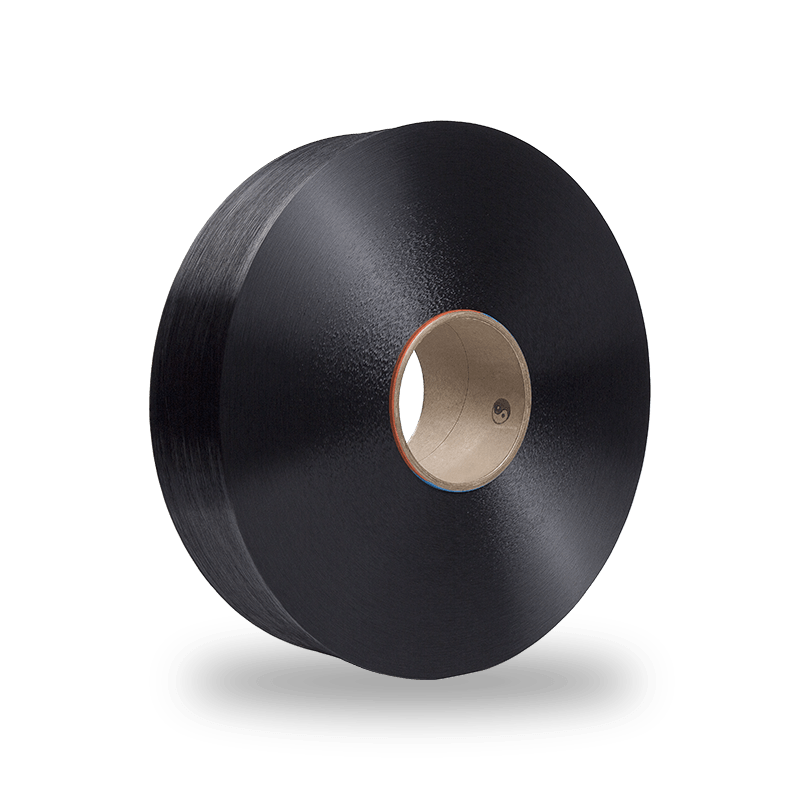
Industry expertise and application breadth. Review the manufacturer's product range and client history. A supplier producing pre-oriented nylon yarn for downstream texturing alongside fully finished DTY products signals command of the full production chain—a significant capability advantage when your specification evolves or your fabric development requires adjustments. Stay current with how the market is developing by reviewing industry news and technical market analysis from suppliers active in your segment.
The brands capturing disproportionate margin in performance textiles, technical apparel, and sustainable fashion are not doing so by competing harder on standard materials. They are building product advantages that begin at the polymer level—and selecting manufacturing partners with the technical sophistication to make those advantages real and repeatable.
Raw White Yarn: Types, Specs, Quality Standards & Sourcing Guide
Acrylic and Viscose Blends: Proportions and Performance
+86-(0)572-6295569
+86-193 5712 3632
# 1, Fuqian Street, Si'an Town, Changxing County, Huzhou City, Zhejiang Province, China.