English
 中文简体
中文简体 Español
 عربى
عربى
News
Content
- 1 Ring Spun Yarn: What Buyers Should Expect in Real Production
- 2 The Four Variables That Drive Ring Spun Yarn Performance
- 3 A Practical Specification Checklist for Ordering Ring Spun Yarn
- 4 Common Ring Spun Yarn Options for Viscose and Blends
- 5 Matching Ring Spun Yarn to Knitwear, Wovens, and Home Textiles
- 6 When Ring Spun Yarn Is Enough—and When to Consider Siro or Compact Options
- 7 How to Evaluate a Ring Spun Yarn Supplier Before Bulk Orders
- 8 Conclusion: A Low-Risk Way to Source Ring Spun Yarn
Ring Spun Yarn: What Buyers Should Expect in Real Production
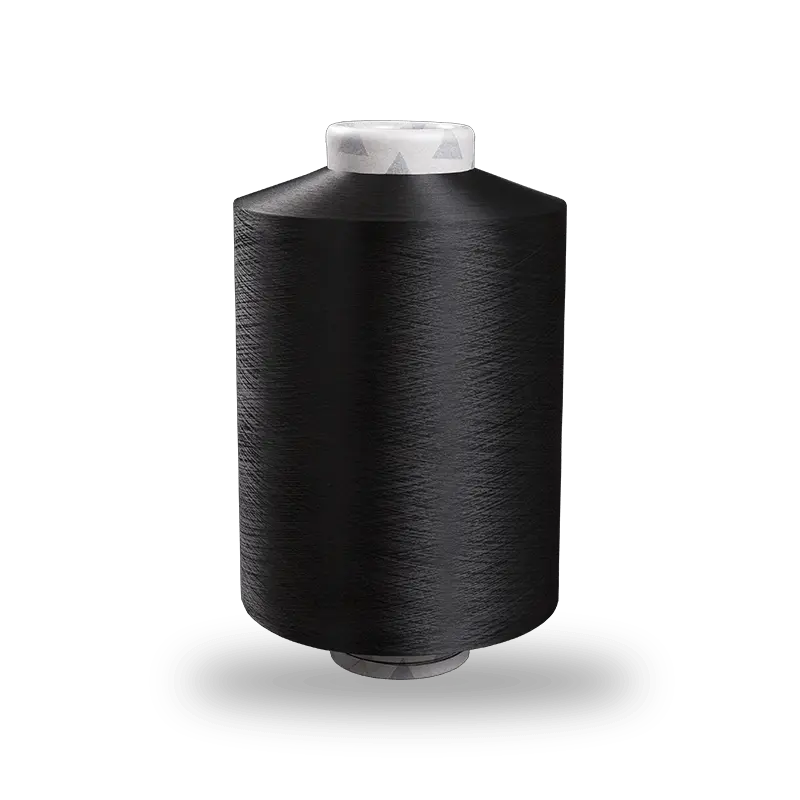
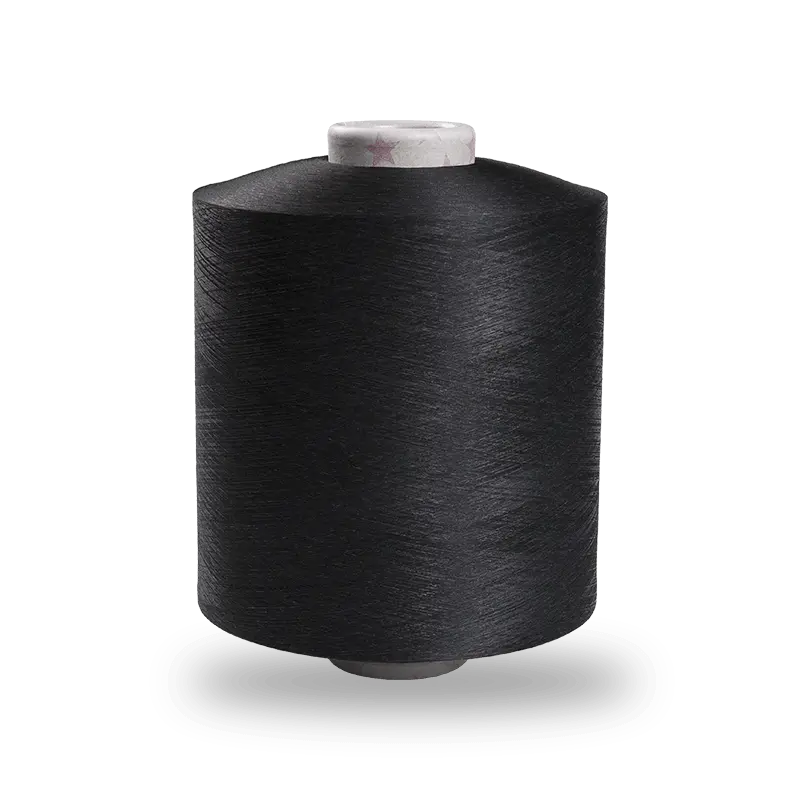
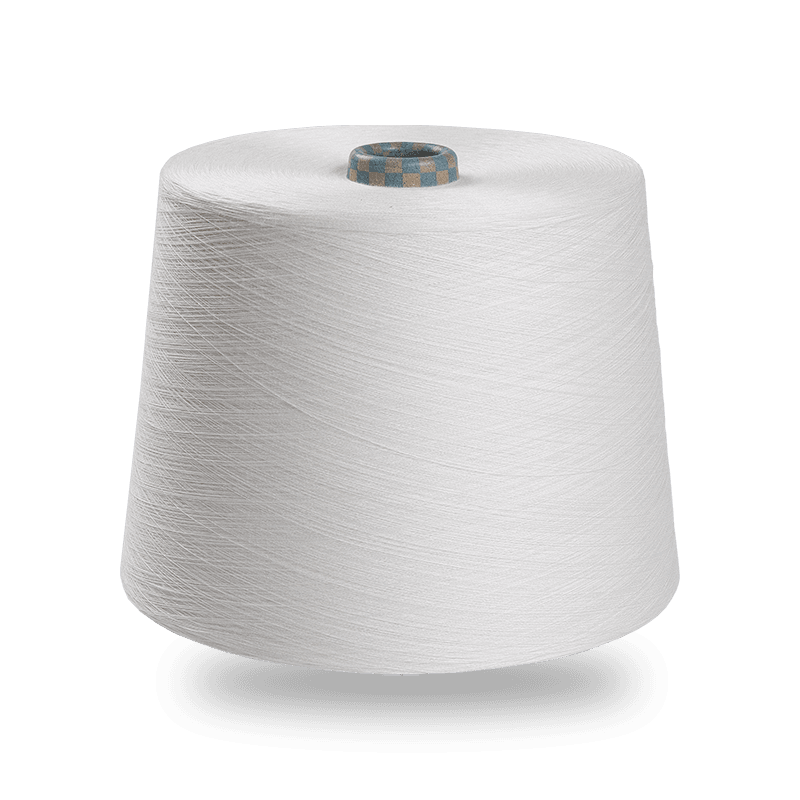
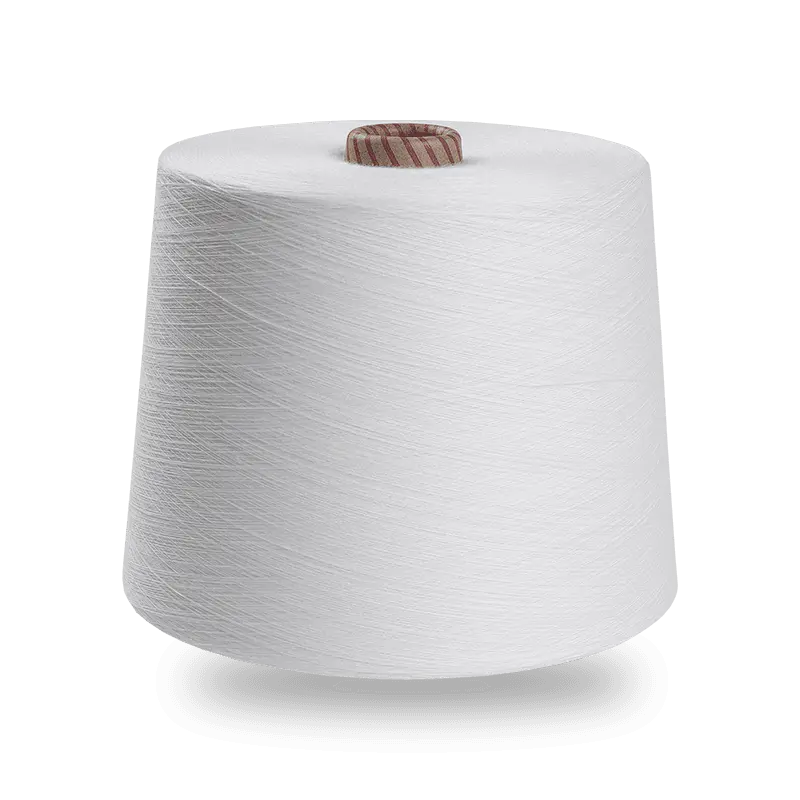
Ring spun yarn is produced using a mature, widely used spinning method for short fibers. In day-to-day mill operations, it is often chosen when buyers need a dependable balance of yarn strength, fabric hand feel, and stable running performance in knitting or weaving.
From a manufacturer’s perspective, the “value” of ring spun yarn is not the name of the process itself—it is the consistency you can hold across lots: evenness, controlled hairiness, and predictable fabric appearance after dyeing and finishing. If you are evaluating suppliers, start by checking whether they can support your target counts and blends at scale. For reference, our ring spun yarn range focuses on rayon yarns (viscose and common blends) and is designed for repeatable fabric performance.
A practical benchmark to confirm capacity and stability is whether the supplier can produce your required count range continuously. For viscose and blended ring spun yarn, we can stably produce counts from 20S to 60S, which covers most knitwear and light-to-medium woven applications.
The Four Variables That Drive Ring Spun Yarn Performance
Fiber selection and blend ratio
For “ring spun yarn” sourcing, the keyword is often shorthand for a specific fiber system. In many export programs, buyers specify viscose for drape and softness, or blended yarns to balance cost, durability, pilling tendency, and dimensional stability. Common commercial options include pure viscose, polyester/viscose, polyester/acrylic, and acrylic/viscose blends.
- Pure viscose: soft hand feel and comfortable drape; widely used in knit tops and lightweight woven items.
- Polyester/viscose: improved dimensional stability and abrasion performance while preserving softness.
- Acrylic/viscose (or polyester/acrylic): targeted warmth/handle and appearance, often used in fashion and home textile constructions.
Yarn count (Ne) and end-use fit
Count determines fabric cover, weight, and perceived smoothness. As a practical guideline, coarser counts (e.g., 20S–32S) are commonly used for durable fabrics and heavier knits, while finer counts (e.g., 40S–60S) are used when you need a cleaner surface and lighter fabric weight.
Because we focus on rayon ring spun programs, our regular production supports 20S–60S, allowing buyers to standardize sourcing across multiple styles without switching yarn systems.
Twist level and strength balance
Twist is a primary control knob for ring spun yarn. Higher twist typically increases cohesion and strength but may reduce softness or change fabric appearance. In production, twist uniformity matters as much as the nominal twist target—uneven twist can cause weak places, barre effects, and unstable running on knitting machines or looms.
Hairiness and surface cleanliness
Hairiness is often where ring spun yarn decisions become expensive. Excessive hairiness can increase pilling, lint, and finishing sensitivity. For buyers producing knit T-shirts, shirts, denim, bedding, or other consumer-facing fabrics, a stable hairiness profile supports a smoother look and more predictable finishing behavior. Our ring spun yarn is engineered for smoothness, controlled hairiness, and a soft hand feel, which is why it is used across knitwear and woven programs.
A Practical Specification Checklist for Ordering Ring Spun Yarn
If you want consistent bulk outcomes, treat “ring spun yarn” as a technical specification—not just a label. The fastest way to reduce sampling cycles is to provide suppliers with a complete requirement set (and confirm what will be tested before shipment).
- End-use and process route: knitting or weaving, gauge/loom type, and whether fabric will be brushed, peached, or heavily finished.
- Fiber composition and blend ratio: specify exact percentages (for example, polyester/viscose 65/35) and whether you accept equivalent alternates.
- Count and construction: Ne count, single or ply, and any twist direction requirements (if applicable).
- Quality targets to test: at minimum, confirm evenness expectations, hairiness control intent, and strength expectations for your process window.
- Color and optical expectations: raw white level, and whether optical brightening is permitted (if relevant to your finishing).
- Packaging and logistics: carton weight, label format, palletization needs, and lot traceability requirements.
If you prefer to align the spec sheet with what a supplier can produce regularly (before customization), share your target end-use and the count/blend range. Our team can map your requirements against standard ring spun options and then propose any necessary adjustments—use the contact page for technical inquiries and sampling requests.
Common Ring Spun Yarn Options for Viscose and Blends
Below is an example of practical, order-ready ring spun yarn coverage for viscose and blended programs. This is useful when you want to consolidate sourcing to a supplier that can support multiple styles while maintaining stable production.
| Composition | Blend Ratios | Regular Counts (Ne) | Typical Packaging |
|---|---|---|---|
| Viscose | 100% | 21S, 25S, 30S, 32S, 40S, 50S | Carton, 25KG/carton |
| Polyester + Viscose | 20/80, 35/65, 65/35, 70/30, 80/20, 90/10 | 21S, 25S, 30S, 32S, 40S (varies by ratio) | Carton, 25KG/carton |
| Polyester + Acrylic | 80/20 | 30S, 32S | Carton, 25KG/carton |
| Acrylic + Viscose | 60/40, 50/50 | 30S, 32S | Carton, 25KG/carton |
Most ring spun programs are supplied in raw white and packed in cartons for stable shipping and warehouse handling. If your project requires a different packing method or a non-standard blend/count, customization is typically feasible—start from the closest standard option and then adjust specifications as needed.
Matching Ring Spun Yarn to Knitwear, Wovens, and Home Textiles
Knitwear and T-shirts
For jersey and common knit structures, ring spun yarn is often selected for its balanced strength and soft hand feel. If you are targeting a cleaner surface (less lint/pilling sensitivity), prioritize controlled hairiness and stable lot consistency. In many programs, counts around the mid-range are used to balance productivity and appearance.
Shirts, denim, and woven basics
In weaving, buyers typically evaluate ring spun yarn by loom efficiency (end breaks), fabric surface, and finishing stability. Blends such as polyester/viscose are frequently used when you need better abrasion resistance and shape retention while maintaining a comfortable handle.
Bedding and home textiles
Home textile buyers often judge yarn choices by long-term feel and durability after repeated washing. A stable ring spun yarn with smoothness and uniformity supports consistent fabric appearance across production runs—especially important for color programs that must match across lots and seasons.
Automotive interior and window decoration fabrics
Technical and interior fabrics can be sensitive to abrasion, pilling, and surface clarity. In these cases, buyers often prefer yarns with a tighter, cleaner structure and controlled hairiness. If your specification emphasizes surface cleanliness, it may be worth comparing ring spun yarn against upgraded spinning options discussed in the next section.
When Ring Spun Yarn Is Enough—and When to Consider Siro or Compact Options
Ring spun yarn is a strong default choice for a wide range of fabrics. However, if your end-product is sensitive to hairiness, abrasion, or requires higher yarn strength, evaluating alternative constructions can reduce downstream problems (pilling claims, weaving efficiency loss, or inconsistent fabric surface).
| Yarn Type | Best For | Typical Benefit | Practical Note |
|---|---|---|---|
| Ring Spun Yarn | General knitwear/wovens, broad fiber compatibility | Balanced strength + soft hand feel | Efficient for mainstream programs; confirm hairiness control for appearance-critical fabrics |
| Siro Spun | Programs needing higher strength and abrasion resistance | Higher strength (often described as higher than ring spinning) and cleaner structure | Useful for denim/shirts and performance-focused fabrics; see siro spun yarn |
| Siro Compact Spun | High-end fabrics sensitive to hairiness and surface cleanliness | Tight structure, less hairiness, and very few harmful hairs above 3mm | A strong option when pilling/lint is a key risk; see siro compact spun |
A practical decision rule is simple: if your claims risk is mostly comfort and softness, ring spun yarn is usually sufficient; if your claims risk is surface clarity, pilling, or higher mechanical stress, evaluate siro or compact constructions early—before you lock fabric specs and dyeing standards.
How to Evaluate a Ring Spun Yarn Supplier Before Bulk Orders
Choosing ring spun yarn is only half the work; controlling variation is the other half. Before you confirm bulk production, the supplier evaluation should focus on repeatability, equipment capability, and how quality is maintained across lots.
- Equipment and winding stability: advanced winding can reduce defects and improve package consistency; for example, we use Japan’s Murata fully automatic winding equipment and modern spinning lines.
- Scale and delivery reliability: confirm realistic capacity for your program size; our spun yarn production capacity is 20,000 tons/year, supported within a larger manufacturing group capacity.
- Lot control and traceability: require lot marking, retained samples, and clarity on how deviations are handled.
- Certifications and compliance fit: if you supply regulated channels, verify required certifications early (for example, we have GRS and other industry-required certifications).
- Sampling discipline: request lab dips or knit/weave trials using your process settings, then lock acceptance standards before bulk.
If you want to consolidate multiple yarn categories with one supplier (spun yarn plus filament/covered yarns), it can simplify procurement and shorten lead times. You can review our full product categories here: textile yarn products.
Conclusion: A Low-Risk Way to Source Ring Spun Yarn
A well-specified ring spun yarn program should deliver consistent evenness, controlled hairiness, and stable running performance—with the count and blend ratio matched to the fabric’s real demands. When you define your end-use first and then lock the yarn specification (count, blend, packaging, and quality targets), sampling cycles shrink and bulk risk drops.
If your project involves viscose ring spun yarn or common viscose blends across 20S–60S, you can start from a standard option and then customize as needed. Review the technical coverage on our ring spun yarn page, or send your specification for a practical recommendation based on your knitting/weaving and finishing requirements.