English
 中文简体
中文简体 Español
 عربى
عربى
News
Content
- 1 Warp knitting vs weft knitting: what changes for your yarn spec
- 2 What we build into Nylon 6 FDY to support both knit structures
- 3 Warp knitting: practical Nylon 6 FDY starting points that reduce downtime
- 4 Weft knitting: how to specify Nylon 6 FDY to prevent visible fabric defects
- 5 Specification snapshot: Nylon 6 FDY options you can copy into your RFQ
- 6 Supply stability: capacity, packaging, and lot planning that protect your production schedule
- 7 A practical sampling checklist for warp knitting and weft knitting buyers
Warp knitting vs weft knitting: what changes for your yarn spec
In our daily production and sales work, one question solves most yarn-spec problems early: is your fabric built by warp knitting or weft knitting? The yarn may share the same fiber (for example Nylon 6), but the machine feeding method and loop formation are different—so the “right” denier, filament count, luster, and package consistency change as well.
As a manufacturer and supplier of Nylon filament yarns, we see buyers lose time when they copy a weft-knitting yarn into a warp-knitting warp beam (or the opposite). The result is often tension instability, broken filaments, uneven dyeing appearance, or avoidable downtime.
A procurement-focused comparison
| Selection point | Warp knitting (typical) | Weft knitting (typical) | What you should specify |
|---|---|---|---|
| How yarn is fed | Many ends run in parallel from beams | One/few yarns form loops across the width | Package build consistency vs yarn “feel” and recovery |
| Sensitivity to tension variation | High (end-to-end tension balance matters) | Moderate to high (depends on gauge and yarn) | Define allowable denier/filament tolerance and lot control |
| Typical buyer pain points | Beam defects, broken filaments, streaks | Barre, dropped stitches, uneven appearance | Ask for stable yarn quality and dyeing uniformity evidence |
| Common end uses | Tricot/raschel for performance fabrics | Jersey, rib, interlock for apparel | Match denier/filaments and luster to fabric hand and coverage |
What we build into Nylon 6 FDY to support both knit structures
For warp knitting and weft knitting, the yarn must run cleanly, dye evenly, and remain stable under continuous friction and tension changes. In our Nylon 6 FDY production, we complete spinning and stretching in one step and focus on process stability so the finished yarn is suitable for direct textile use, with good dyeing uniformity and fewer filament break issues in downstream knitting.
From a buyer’s perspective, the most useful way to evaluate FDY is not “FDY vs not FDY,” but whether the yarn’s package and running behavior matches your machine reality (warp beam building, circular knitting feeders, or flat knitting tension devices).
Knitting-facing checkpoints we recommend you include in your RFQ
- Confirm knit type (warp knitting or weft knitting), machine model/gauge, and target fabric weight/coverage.
- Specify denier and filament count together (example: 40D/34F), not denier alone, because filament count changes hand-feel and appearance.
- Set luster requirement (bright, semi dull, full dull) based on end-product visual target and finishing route.
- Define color and dye route assumptions (raw white vs black dope/colored baseline, and whether you will piece-dye).
- Request lot consistency expectations (especially important when your fabric construction is sensitive to appearance variation).
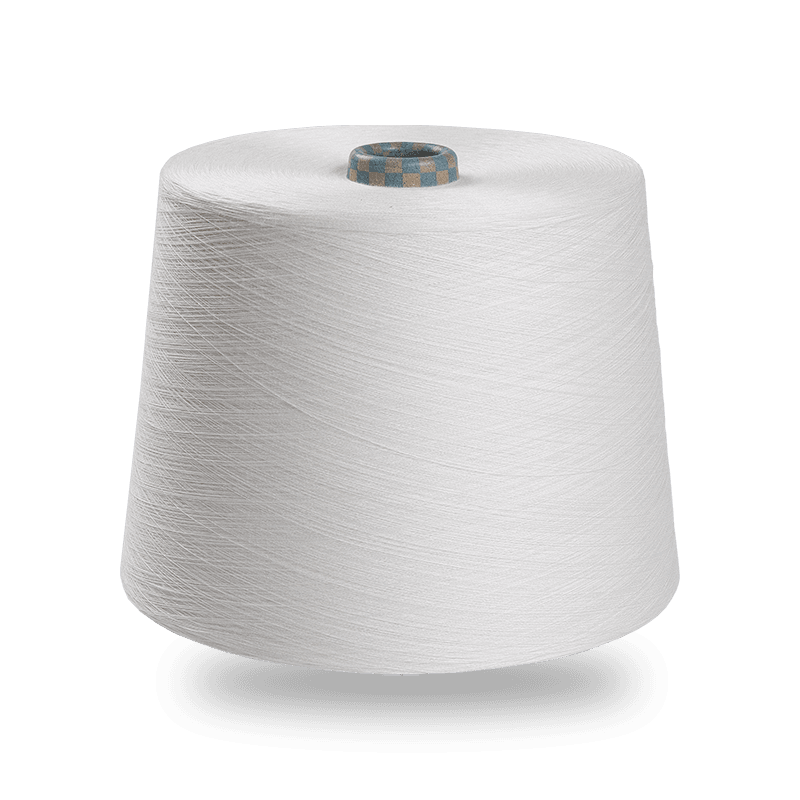
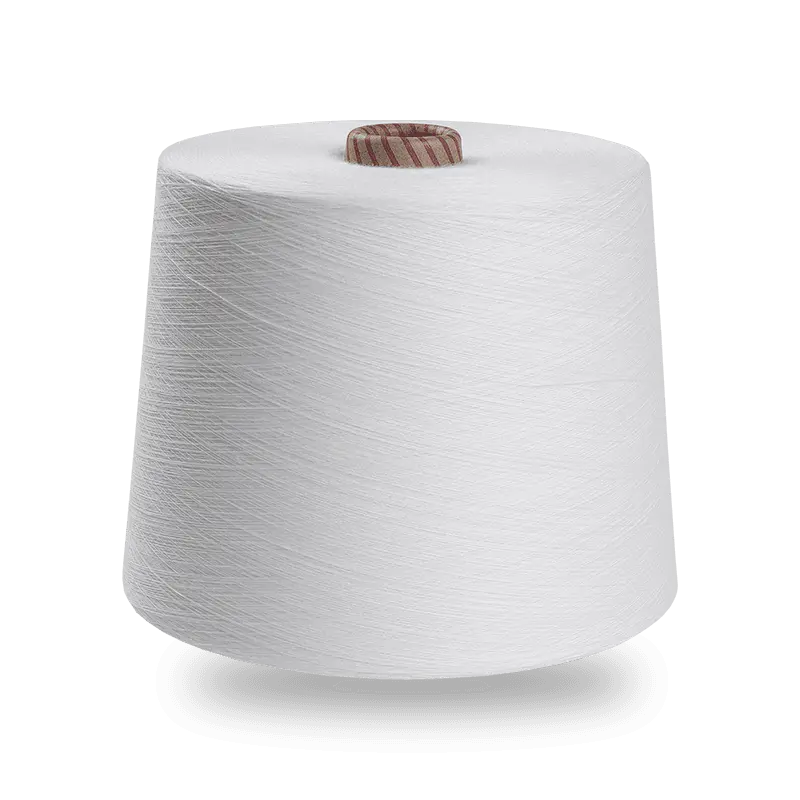
If you want to align quickly on what we supply for knitting, this is our Nylon 6 FDY filament yarn page with the specification range and regular denier/filament options.
Warp knitting: practical Nylon 6 FDY starting points that reduce downtime
Warp knitting typically uses many ends running in parallel, so the system is unforgiving to tension scatter and package-to-package differences. When customers ask us for a stable “warp knitting yarn,” what they usually mean is: predictable unwinding, consistent package hardness/build, and a low rate of filament breaks during long runs.
Denier and filament examples for common warp-knitted fabrics
- 20D/24F: lightweight tricot-style constructions where drape and surface smoothness matter (often used in performance linings and light base fabrics).
- 30D/12F or 30D/34F: general-purpose warp knitting options—choose lower filament count for a crisper hand, higher filament count for a smoother surface.
- 40D/34F and 50D/48F: higher coverage and stronger fabric targets for sportswear panels, structured warp knits, and durability zones.
- 70D/68F: dense, smooth warp-knitted fabrics where appearance uniformity and abrasion performance are emphasized.
Luster selection for sportswear and sun protection clothing
Warp-knitted performance fabrics often target a specific surface look. In our supply range, we commonly support bright, semi dull, and full dull lusters. A practical rule:
- Choose bright when you want a clean sheen and a more “technical” appearance.
- Choose semi dull when you need a balanced look that hides minor knit marks while keeping good color clarity.
- Choose full dull when you want a matte visual and reduced gloss, often preferred for sun protection clothing aesthetics.
Because our Nylon 6 FDY is commonly applied in warp knitting and finished into sportswear and sun protection clothing, we typically discuss end-use early—so we can recommend a denier/filament and luster combination that is realistic for your knitting speed, finishing, and target hand-feel.
Weft knitting: how to specify Nylon 6 FDY to prevent visible fabric defects
Weft knitting is often chosen for comfort and elasticity, but it can be sensitive to appearance issues such as barre (shade/texture bands), stitch irregularity, or uneven dye uptake. In our experience, these defects are frequently “specification problems,” not only machine problems—especially when yarn lots are mixed or the denier/filament choice does not match gauge and fabric target.
Practical denier/filament choices by fabric target
- 20D–33D range: lightweight weft knits where softness and low fabric weight matter (pair filament count to the surface smoothness you need).
- 36D–50D range: balanced weft knits for daily-wear performance fabrics, where you want better coverage and durability without excessive stiffness.
- 68D–75D range: higher coverage and more robust fabric targets, often used when abrasion resistance or fabric body is a priority.
Control points that reduce barre and shade variation
- Avoid mixing lots in a single production run unless you have validated dyeing and appearance equivalence on your exact construction.
- Keep luster consistent across the fabric: switching between bright and dull variants can create visible bands after finishing.
- Match filament count to the “look”: higher filament counts generally support a smoother appearance, while lower filament counts can look clearer but may show structure more strongly.
- If your product is appearance-critical, define a simple incoming inspection: check yarn labels, lot IDs, and package condition before loading feeders.
The key takeaway is that weft knitting quality is often decided before knitting begins—by how tightly you control denier/filament, luster, and lot usage discipline.
Specification snapshot: Nylon 6 FDY options you can copy into your RFQ
To make sourcing discussions efficient, we prefer to align on a clear specification frame first (range, luster, color, packaging), then narrow to the exact regular spec that fits your knit structure. Below is a practical summary of our Nylon 6 FDY supply range for knitting applications.
| Item | Available options | How it helps your knit |
|---|---|---|
| Denier range | 20D–75D | Covers lightweight to higher-coverage fabrics for both knit structures |
| Type | Filament yarn (FDY) | Smooth running behavior and clean fabric surface when matched correctly |
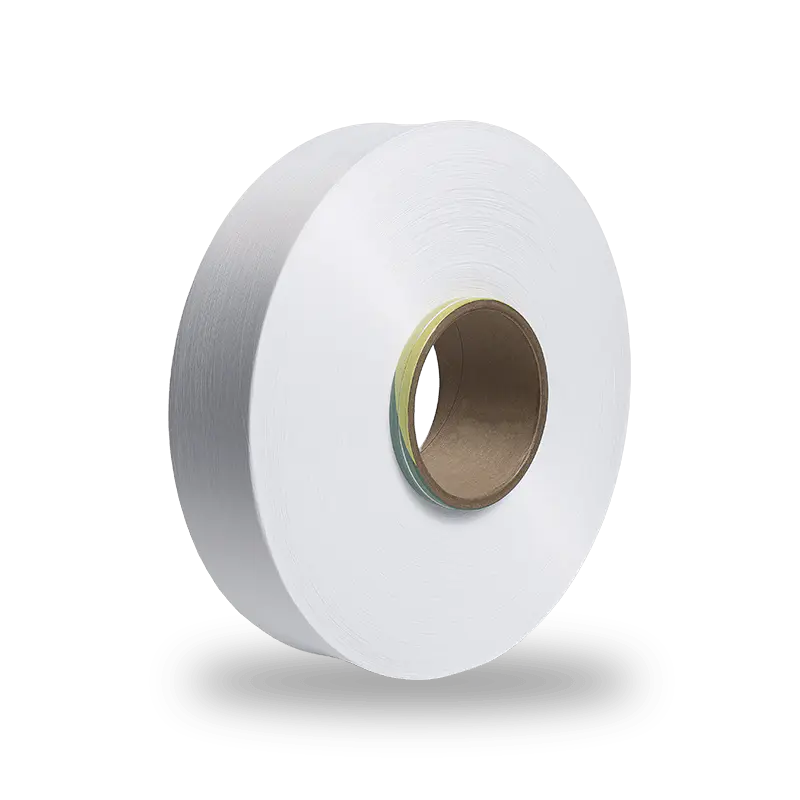
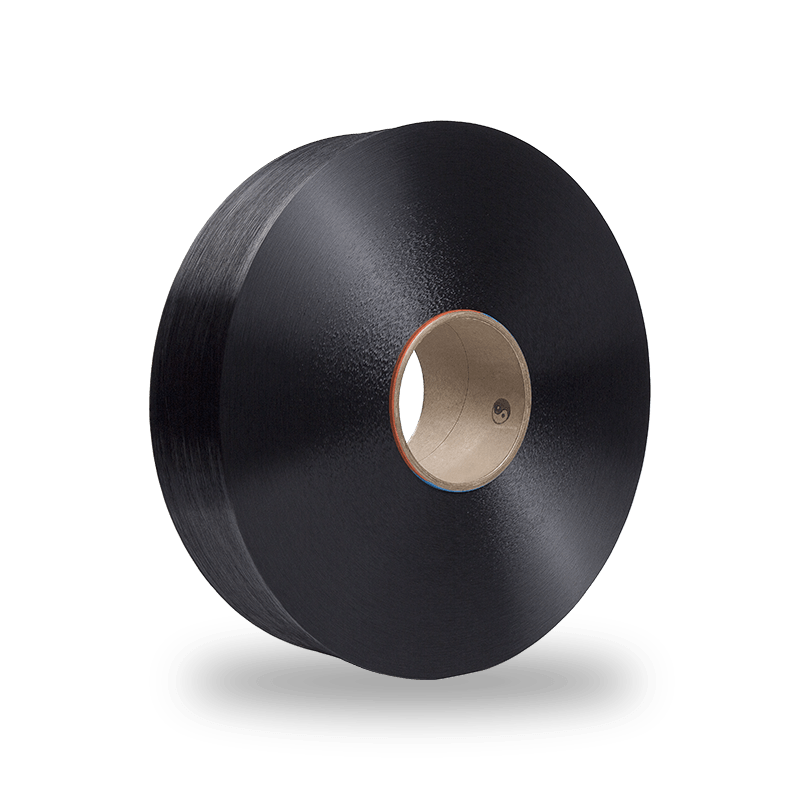
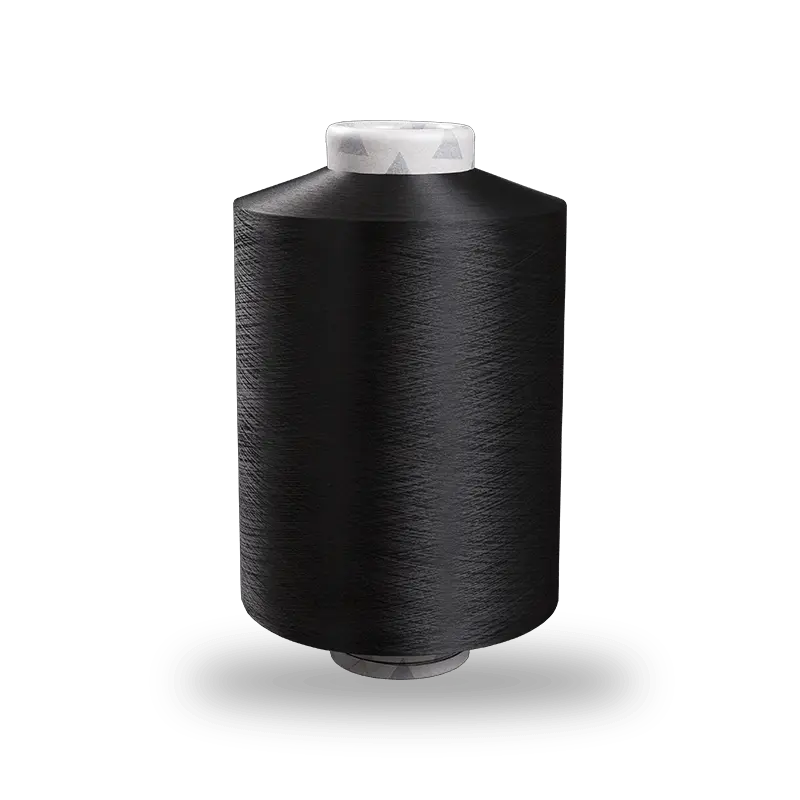
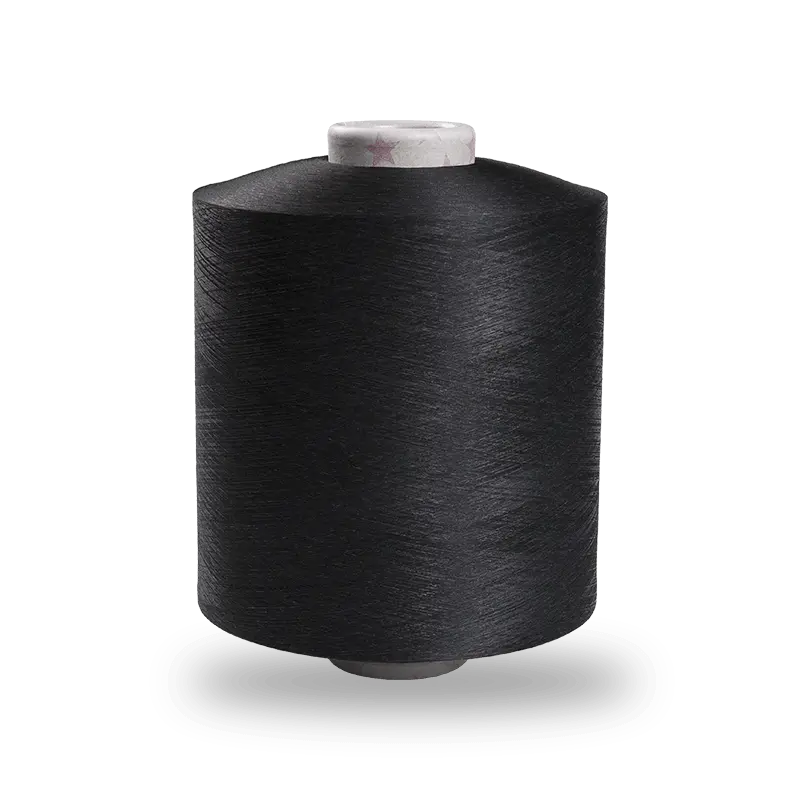
| Color | Raw white, black | Supports different dye/appearance strategies depending on your product |
| Luster | Bright, semi dull, full dull | Directly affects fabric visual and how knit marks show after finishing |
| Transport package | Pallet | Improves handling efficiency and reduces damage risk in transit |
Regular specifications buyers frequently select
These are common starting points we supply; final selection should be validated on your machine and finishing route:
- FD: 20D/24F
- FD: 30D/12F, 30D/34F
- FD: 33D/12F, 33D/34F
- FD: 36D/12F, 40D/34F
- FD: 45D/12F, 50D/48F
- FD: 68D/68F
- FD: 70D/48F, 70D/68F
- FD: 73D/48F, 75D/48F
- SD: 20D/24F, 30D/12F
- SD: 40D/7F, 50D/7F
Supply stability: capacity, packaging, and lot planning that protect your production schedule
For most customers, the hidden cost of warp knitting and weft knitting is not the yarn price—it is unplanned downtime, rework, or shade disputes. That is why we recommend treating “supply stability” as part of the technical spec, not an afterthought.
On Nylon 6 FDY specifically, our stated production capacity is 20,000 tons/year, and we support pallet packaging for more consistent logistics handling and lower in-transit risk.
What we ask buyers to confirm for repeatable results
- Define whether you will run single-lot only (preferred for appearance-critical fabrics) or allow planned lot transitions.
- Tell us your end use (for example sportswear vs sun protection clothing) so we can recommend luster and filament count that match your visual target.
- If you have a “golden sample,” share fabric photos and key fabric parameters (weight, construction, finishing) so we can align faster.
- For warp knitting, confirm beam building method and any special unwinding constraints; for weft knitting, confirm feeder/tension device sensitivity.
If you are comparing Nylon against other synthetics for your knitted product, you may also find our polyester vs nylon selection article helpful for setting realistic expectations before sampling.
A practical sampling checklist for warp knitting and weft knitting buyers
When you request samples, the fastest path to a stable bulk order is a structured trial. Below is the sequence we recommend to most knitters and fabric mills—because it isolates yarn variables before you scale.
- Lock your fabric target (construction, weight, finishing route) and confirm whether it is warp knitting or weft knitting.
- Select 2–3 candidate yarn specs that vary by filament count or luster (for example 30D/12F vs 30D/34F; semi dull vs full dull).
- Run a controlled knitting trial with consistent machine settings, then evaluate: broken filament rate, fabric appearance uniformity, and dyeing outcome.
- Confirm finishing stability (hand-feel, shrink/relaxation, and any gloss change) before approving bulk.
- For bulk ordering, define lot usage rules and packaging/handling requirements to prevent mixing and damage.
If you need to review related yarn categories we supply (beyond FDY) for your full bill of materials, you can use our textile yarn product catalog page to navigate Nylon 6 FDY, Nylon 6 POY, Nylon 6 DTY, and other yarn types.