English
 中文简体
中文简体 Español
 عربى
عربى
News
Content
- 1 Why Fully Automatic Winding Is a Make-or-Break Factor in Yarn Quality
- 2 Full-Automatic vs. Semi-Automatic vs. Manual Winding: A Decision Matrix
- 3 How Fully Automatic Winding Shapes POY, DTY, and FDY Performance
- 4 The Equipment Behind Consistent Package Quality
- 5 What Buyers Should Look for in a Supplier’s Automatic Winding Setup
Why Fully Automatic Winding Is a Make-or-Break Factor in Yarn Quality
A single nylon 6 POY bobbin with uneven winding tension can cause over 15 breaks per 1,000 km during texturing—eroding margins and delaying orders. Fully automatic winding systems eliminate the variability introduced by human operators and deliver package density and traverse precision that manual or semi-automatic methods simply cannot replicate. The result: fewer end breaks, higher first-quality yield, and predictable runnability on downstream warping, knitting, and weaving machines.
In textile yarn manufacturing, “fully automatic winding” refers to the process where tension control, traverse motion, doffing, and package building are managed entirely by integrated servo-driven systems, sensors, and programmable logic, without operator intervention after setup. This is fundamentally different from consumer product contexts and should not be confused with watch winding mechanisms. For fiber producers and yarn buyers, the automation level of winding directly correlates with the uniformity of product performance—and with the supplier’s ability to meet tight commercial specifications at scale.
Full-Automatic vs. Semi-Automatic vs. Manual Winding: A Decision Matrix
Procurement teams often assess a supplier’s winding capability through equipment lists. The table below clarifies what separates fully automatic winding from less advanced methods and why the distinction matters for demanding applications such as high-gauge circular knitting, warp-knit sportswear, and airbag-grade yarns.
| Parameter | Manual Winding | Semi-Automatic Winding | Fully Automatic Winding |
|---|---|---|---|
| Tension consistency | ±3–5 cN variation, operator-dependent | ±2–3 cN with electronic regulation | ±1 cN or better, real-time closed-loop control |
| Package density uniformity | High variation, edge build-up common | Moderate uniformity, some hard edges | ±2 mm density variation across package |
| Yarn waste per ton | 5–8% from breaks and splicing errors | 3–5% | <2%, programmable waste reduction |
| Labor dependency | High, one operator per 2–4 spindles | Moderate, automated doffing options | Low, robotized doffing and transport |
| Production speed | 300–600 m/min | 600–1200 m/min | 1200–4000+ m/min |
| Best suited for | Low-volume specialty, R&D samples | Mid-range commodity yarns | High-performance POY, DTY, FDY, ACY and spun yarns at scale |
How Fully Automatic Winding Shapes POY, DTY, and FDY Performance
Different nylon 6 yarn types place distinct demands on the winding process. Fully automatic winding systems address these demands through programmable traverse patterns, dual tension sensors, and active package pressure control.
Nylon 6 POY
Pre-oriented yarn at high speed (above 4,000 m/min) must build packages with soft, even layers to avoid deformation during storage and unwinding. Automatic winding with precision traverse and constant take-up tension ensures the nylon 6 POY package retains its shape and delivers consistent orientation for downstream draw texturing. Without automation, high-speed POY winding introduces tension spikes that create latent defects appearing only after texturing—an expensive quality failure.
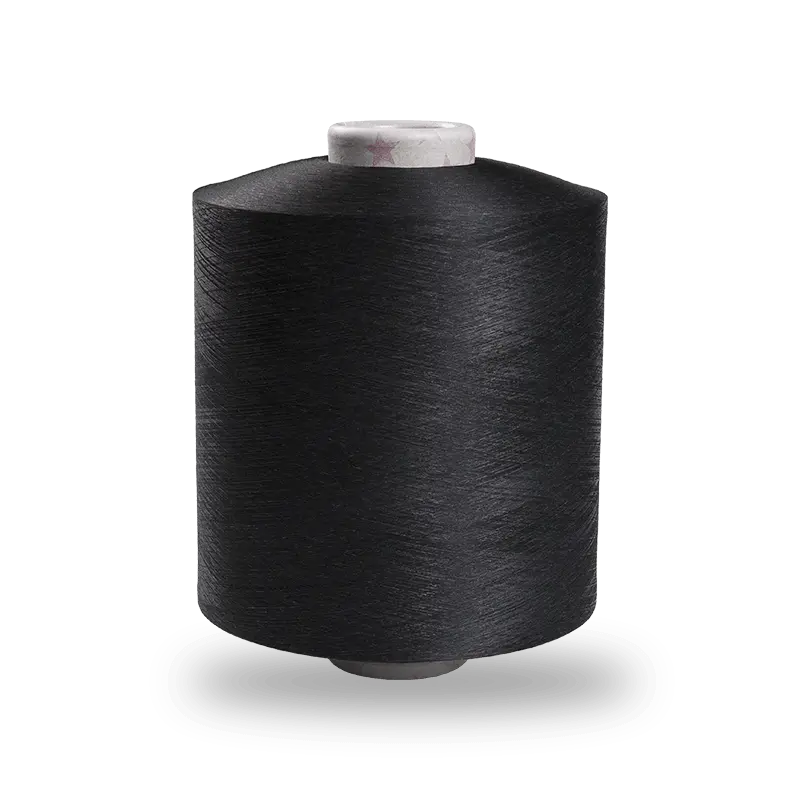
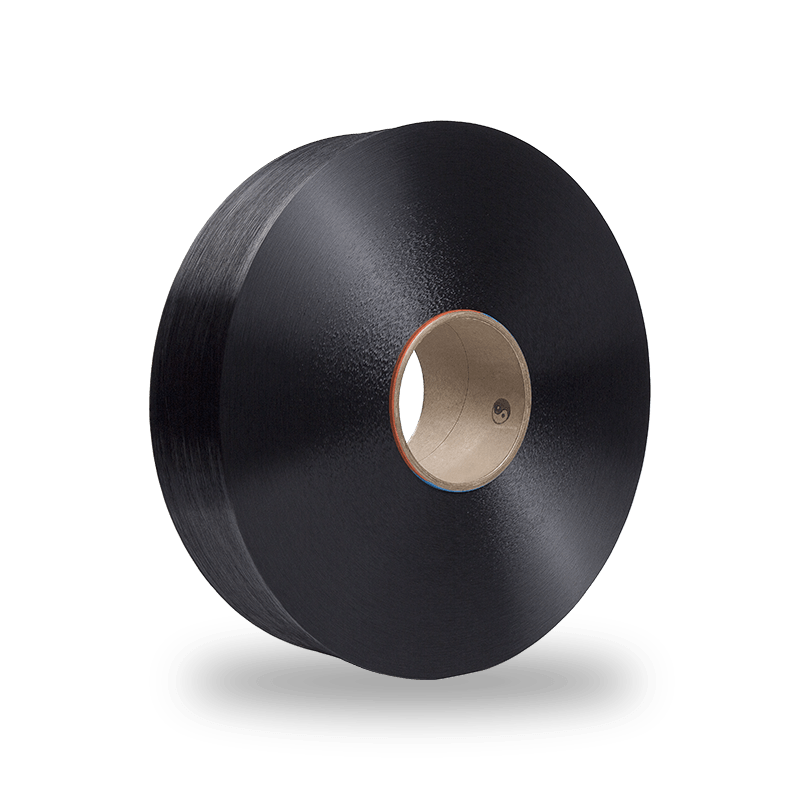 Nylon 6 POY Filament Yarn Manufacturers, Nylon POY FactoryChina Custom Nylon 6 POY Manufacturers, Nylon Partially Oriented Yarn Factory, Nylon POY Suppliers, Century ChenXing offer Wholesale Nylo...View Product →
Nylon 6 DTY
Draw-textured yarn requires careful take-up after the false-twist process. Any irregularity in winding tension translates into dyed fabric stripes and knit-in defects. Fully automatic winders on DTY lines maintain intermingling node consistency and eliminate package shoulders and saddle formation, which directly reduces the rejection rate for premium nylon 6 DTY used in seamless underwear and automotive fabrics.
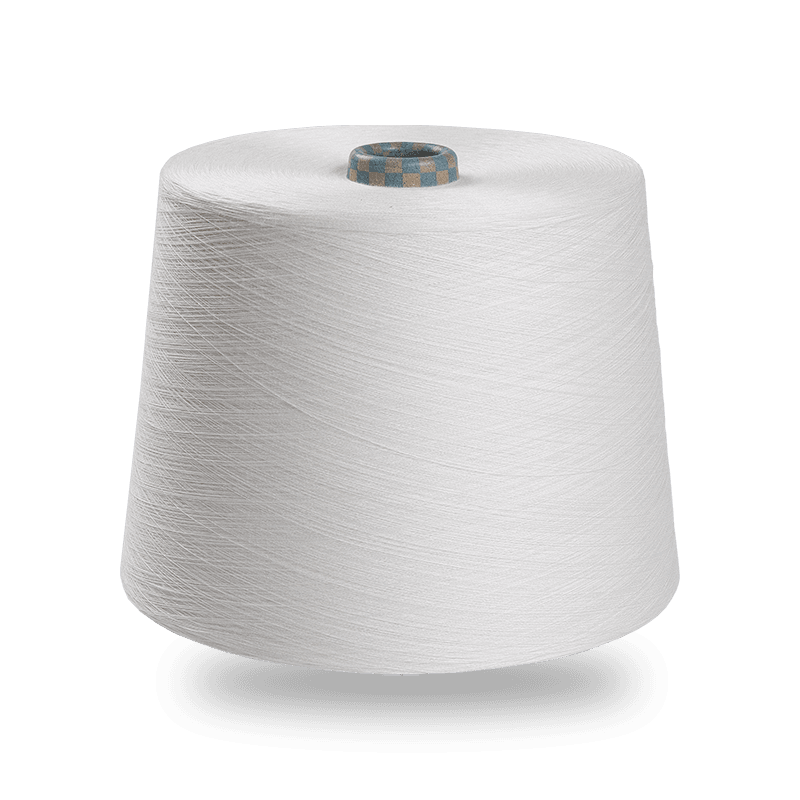
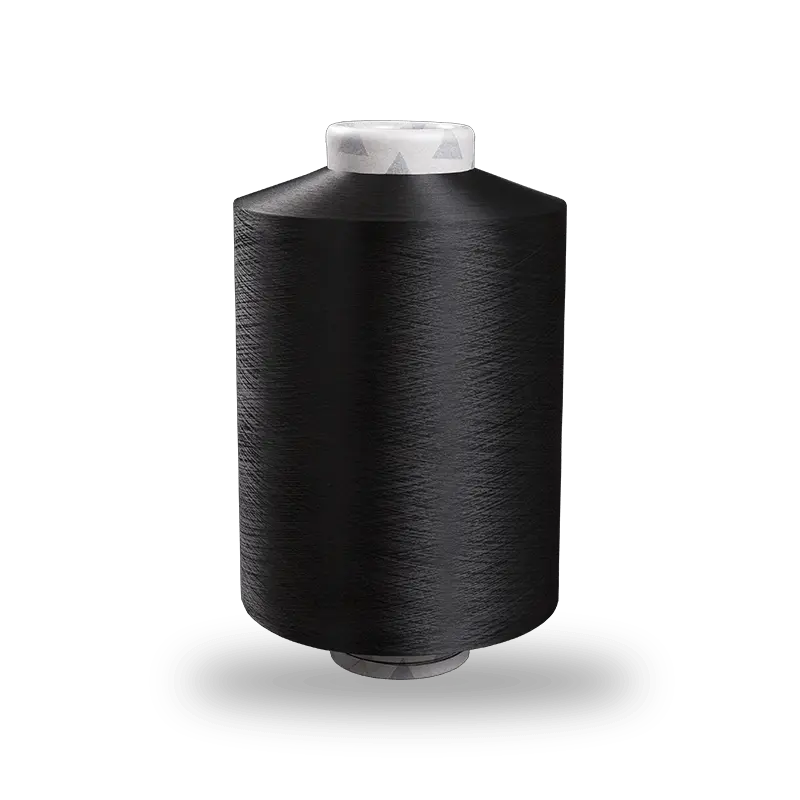 Nylon 6 DTY Filament Yarn Manufacturers, Nylon DTY SuppliersCentury ChenXing offer custom Nylon 6 DTY, Nylon Drawn Textured Yarn Manufacturers and Nylon DTY Suppliers, Factory Wholesale Nylon 6 DTY...View Product →
Nylon 6 FDY
Fully drawn yarn for warp knitting demands minimal broken filaments and absolutely uniform package density. Automatic winding systems with online tension monitoring and precise traverse stroke adjustment prevent crossed threads and damaged filaments, protecting the weavability of nylon 6 FDY on high-speed Raschel and tricot machines.
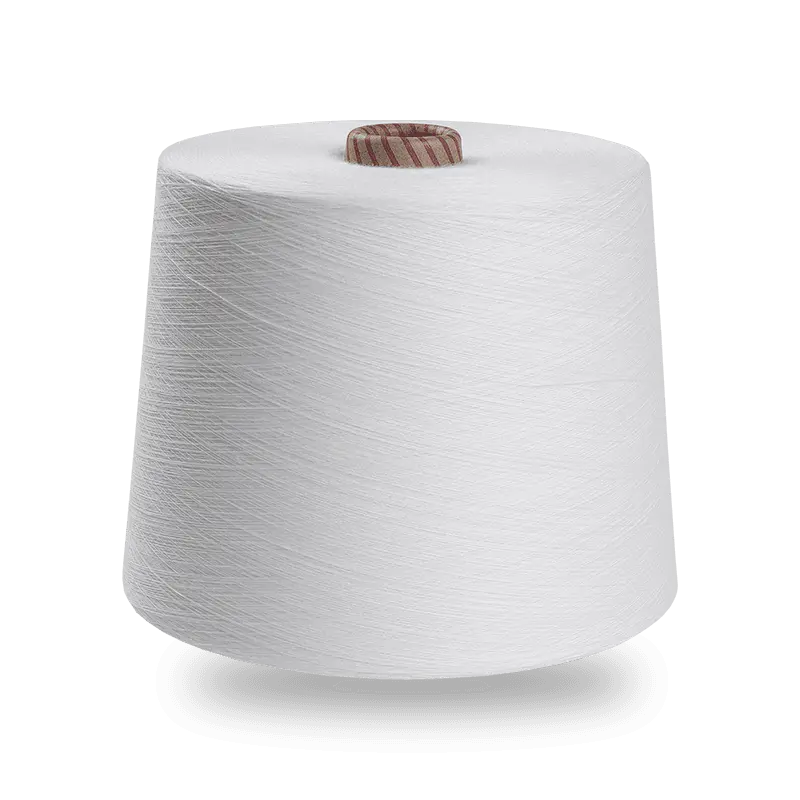
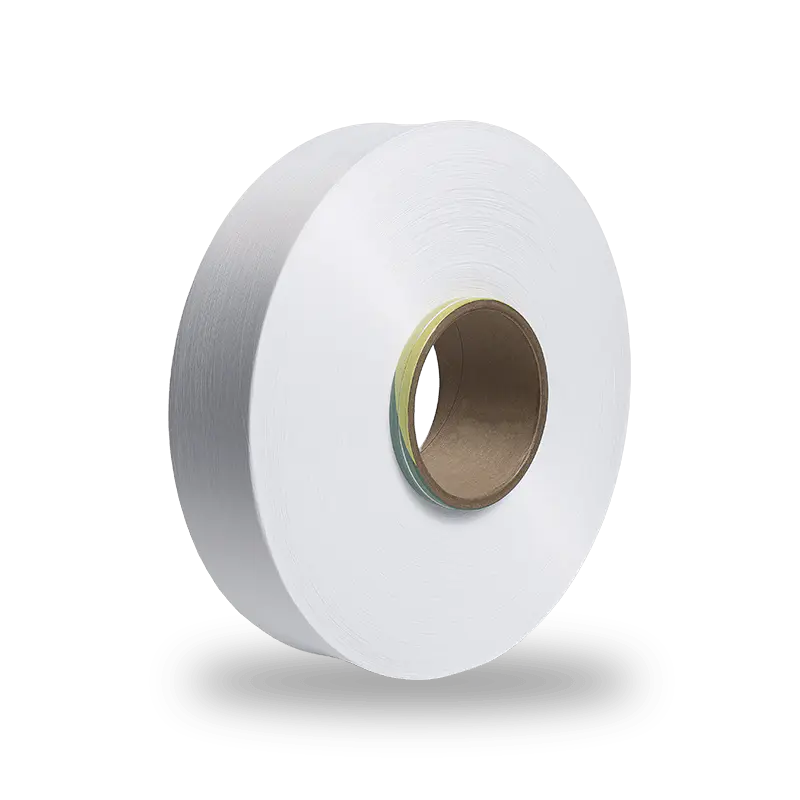 Nylon 6 FDY Manufacturers, Nylon Fully Drawn Yarn FactoryZhejiang Century ChenXing are China Nylon FDY Manufacturers and Custom Nylon 6 FDY Filament Yarn Factory, Nylon 6 FDY Suppliers, Wholesal...View Product →
The Equipment Behind Consistent Package Quality
Buyers evaluating a yarn supplier’s automatic winding capability should look beyond the term “automation” and examine the specific equipment in operation. Leading manufacturers deploy high-speed spinning take-up winders and flexible automatic winders that directly govern the final package appearance and downstream processability.
At Zhejiang Century ChenXing Fiber Technology Co., Ltd., fully automatic winding is not a marketing label—it is embedded in production lines through TMT take-up winders for POY and FDY manufacturing and Murata process winders for spun yarn and covered yarn production. TMT winders deliver winding speeds up to 5,000 m/min with multi-zone tension control, while Murata automatic winders combine electronic yarn clearing, air splicing, and intelligent tension management. The integration of these systems creates a closed-loop quality environment where every meter of yarn is monitored, and any out-of-spec condition triggers immediate package rejection before it reaches the customer.
What Buyers Should Look for in a Supplier’s Automatic Winding Setup
When auditing a potential yarn supplier or comparing options, four factors reveal the real level of winding automation and its impact on the product the customer will receive:
- Online tension control systems: Ask whether closed-loop tension regulation is active on each spindle. Absence of real-time control typically means visible tension bands and dyed fabric faults.
- Robotized doffing and transport: Automatic doffing eliminates operator-induced damage to the package surface and maintains clean tail transfer. Full automation connects the winder with automated guided vehicles for yarn storage, reducing contamination.
- Defect mapping and data traceability: Fully automatic winders record length, diameter, and density profiles for every package. This data enables a supplier to provide detailed quality certificates that give buyers confidence in consistency.
- Winding chamber environment control: Temperature and humidity stability in the winding area prevent static buildup and uncontrolled elongation. Automated systems typically include controlled air flow, making winding conditions repeatable 24 hours a day.
Suppliers that operate fully automatic winding lines across POY, DTY, and FDY production can offer longer package runs, fewer knots, and uniform dye pickup—advantages that compound across large contract volumes. These facilities can also replicate exact package specifications for repeat orders, a critical requirement for global brands with multi-season garment programs.