English
 中文简体
中文简体 Español
 عربى
عربى
News
Content
- 1 What Is Sun Protection Clothing and Why Does UPF Matter?
- 2 How Fabric Properties Influence UPF Performance
- 3 Why Nylon and Polyester Are the Best Fibers for Sun Protection
- 4 How Yarn Spinning Technology Affects UV Protection
- 5 How to Choose the Right Yarn for Sun-Protective Apparel – A Practical Guide
What Is Sun Protection Clothing and Why Does UPF Matter?
A fabric rated UPF 50 allows only 1/50th — or about 2% — of UV radiation to reach the skin. That single statistic decides whether an outdoor garment offers meaningful defense or false confidence. UPF, Ultraviolet Protection Factor, measures how well a fabric blocks both UVA and UVB rays; unlike SPF, which rates sunscreen applied to skin, UPF is a laboratory-assessed property of the textile itself. A garment labeled UPF 30 is adequate, but UPF 50+ is the benchmark for prolonged sun exposure, blocking 98% or more of UV radiation. For apparel brands and sourcing managers, understanding what drives that number is the difference between a marketing claim and a measurable health benefit.
Two wavelengths drive the protection requirement. UVA (320–400 nm) penetrates deep into the dermis, accelerating photoaging and contributing to cumulative damage. UVB (290–320 nm) is more energetic, directly damaging DNA and causing sunburn. A high-UPF textile must attenuate both. While chemical sunscreen additives can assist, the first line of defense is the fabric itself — the fiber type, the yarn structure, and the construction. This guide moves beyond consumer-level fabric advice and looks upstream at the yarns and spinning technologies that deliver consistent UPF performance.
How Fabric Properties Influence UPF Performance
Three physical characteristics define most of a fabric’s UV-blocking ability: porosity, thickness, and color. When purchasing managers evaluate fabric, they are essentially assessing how much open space exists between fibers. Every gap is a potential transmission path for ultraviolet photons. Engineering that gap out of the structure — without sacrificing drape or breathability — is the central technical challenge.
Weave Density and Fabric Construction
A practical screening method used by researchers is the “hold it up to the light” test: if visible light passes through easily, UV radiation will pass as well. The principle is straightforward — tighter weaves or knits reduce the total aperture area per square centimeter. A woven fabric with high picks per inch, or a knit with minimized stitch length, reduces the number and size of micro-openings. This is why canvas-weight synthetics easily achieve UPF 50+ while an open‑weave linen may test below UPF 15. For yarn buyers, the implication is clear: the finer and more uniform the yarn, the more it enables dense construction without excessive stiffness. Compact yarns, in particular, let a mill increase stitch density without adding bulky mass.
Color and Dye Chemistry
Darker colors and vivid hues deliver higher UV protection than pale or pastel shades because they absorb a greater fraction of the incident radiation. The skin-damaging UV photons are captured by chromophores in the dye molecules and dissipated as heat before they can reach the skin. An unbleached cotton fiber may also contain trace lignin, a natural UV absorber, but once bleached or optically brightened, that advantage disappears. For synthetic fibers, solution‑dyed pigments and selected dyestuffs can be formulated to raise UPF without relying on topically applied chemical finishes. When specifying a fabric for UV protection, it pays to select a coloration method that preserves or enhances the inherent UV‑blocking properties of the base fiber.
Why Nylon and Polyester Are the Best Fibers for Sun Protection
Synthetic fibers outperform natural fibers in UV blocking because their chemical structures interact with ultraviolet radiation differently. Cotton, linen, and regenerated cellulosics are largely transparent to UV — their polymer backbones lack the conjugated double‑bond systems that can absorb photons in the 290–400 nm range. Nylon 6 and polyester, by contrast, contain aromatic rings or amide groups that act as intrinsic UV absorbers. Nylon 6, in particular, owes part of its protective advantage to the repeating caprolactam units in its molecular chain. These groups absorb in the UVB region, converting the energy harmlessly. When a thin but densely woven nylon fabric is worn, much of the UV burden is intercepted before it ever reaches the skin.
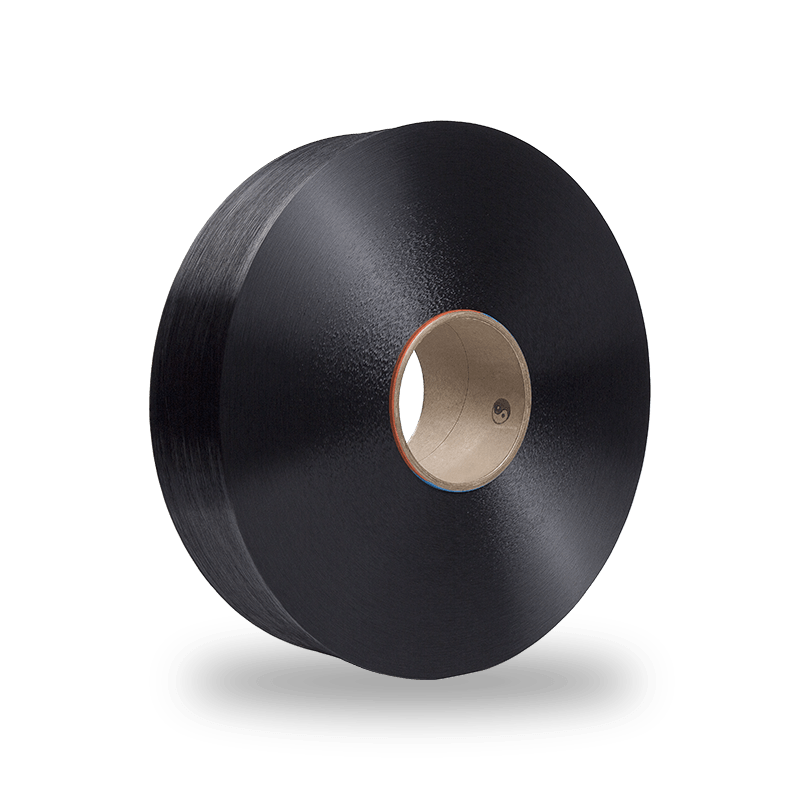
Beyond the polymer itself, filament yarns like nylon 6 FDY (fully drawn yarn) and DTY (draw‑textured yarn) produce smooth, continuous filament surfaces. Smooth filaments create fabrics with fewer protruding fiber ends and less surface scattering, which can paradoxically improve UV attenuation by maintaining a more uniform barrier. For brands developing UPF‑rated knitwear or woven shells, high-tenacity nylon 6 FDY yarn for UV-blocking fabrics provides a reliable foundation — its consistent filament geometry supports the high stitch densities needed for UPF 50+ without compromising hand feel.
Nylon 6 vs. Polyester vs. Cotton – A UV-Blocking Comparison
The table below summarizes the key differences from a fiber‑engineering standpoint. Although many fabrics are blends, the base fiber sets the ceiling for what is achievable in construction.
| Fiber | UPF Potential (Unstretched) | UV Absorption Mechanism | Best Use Case |
|---|---|---|---|
| Nylon 6 | Very high (UPF 40–50+ achievable with dense construction) | Amide groups absorb UVB; high crystallinity reduces micro‑voids. | Activewear, lightweight shells, stretch‑woven shirts |
| Polyester | High (UPF 30–50+ with dense knit/woven) | Aromatic rings in PET absorb UVB; low moisture regain helps. | Budget‑conscious UPF collections, quick‑dry garments |
| Cotton | Low to moderate (UPF 5–20 unless heavily dyed, mercerized, or treated) | Cellulose is UV‑transparent; lignin in unbleached cotton provides modest absorption. | Casual wear where UPF additives are applied post‑finish |
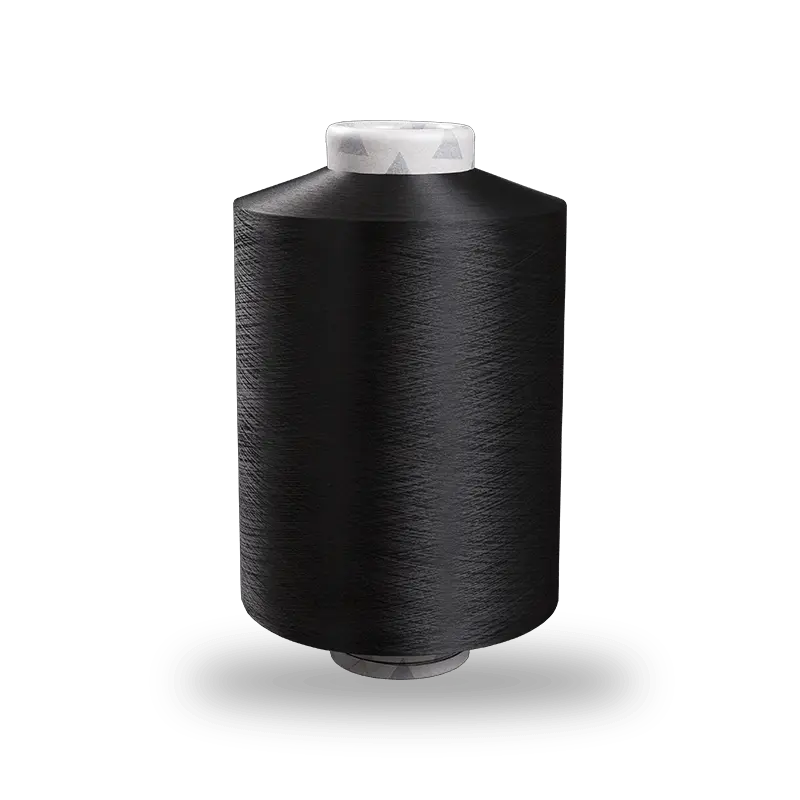
For garments that must stretch, the choice of texturing matters. Nylon 6 DTY yarn for stretchable sun-protective fabrics retains filament integrity during elongation, which is critical because a stretched knit can lose UPF rapidly if the yarn opens up too much. DTY’s crimp architecture provides mechanical stretch without thinning the yarn barrel to the point of UV transparency, making it a strategic pick for slim‑fit or compression‑style sun‑protective clothing.
How Yarn Spinning Technology Affects UV Protection
Even the best fiber can be undermined by yarn that creates an open, hairy surface. Spinning technique directly controls two variables that influence UPF: hairiness and uniformity. Ring‑spun yarns, by standard process, leave more protruding fiber ends than compact or siro‑spun versions. Those loose ends not only scatter light but also prevent the yarns from packing close together during knitting or weaving, leaving microscopic gaps for UV to slip through.
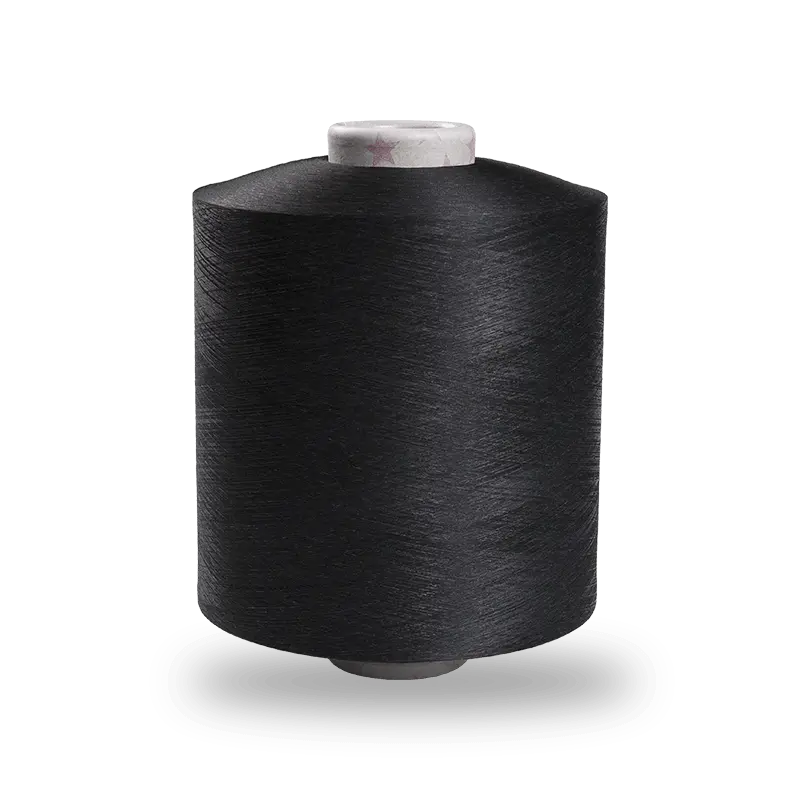
This is where siro‑spinning and compact siro‑spinning become relevant. By feeding two rovings simultaneously and applying a special drafting geometry, siro‑spun yarn achieves a smoother, less hairy surface with improved consolidation. The result is a yarn that, when fabricated, yields a tighter structure — fewer pinholes per square centimeter — and measurably higher UPF ratings from the same base polymer. For mills that need to hit a guaranteed UPF 50+ without increasing fabric weight or applying UV‑absorbing finishes, compact siro-spun yarn technology for tighter weaves represents a mechanical solution rather than a chemical one. It is a pre‑emptive quality investment: the yarn’s built‑in density reduces variability in UPF testing and ensures that the garment performs consistently across different light conditions and wear cycles.
How to Choose the Right Yarn for Sun-Protective Apparel – A Practical Guide
A clear specification framework shortens development time and reduces the risk that a finished garment fails UPF certification. Instead of evaluating only the final fabric swatch, work backward from the yarn datasheet. Here are the specifications that should feature in a buyer's brief for UPF‑rated apparel yarns.
- Fiber type and luster. Full‑dull or semi‑dull nylon 6 typically outperforms bright variants because the titanium dioxide delusterant also scatters and absorbs UV. Reconfirm delusterant content with the supplier.
- Filament count and denier. A higher filament count for a given denier (e.g., 70D/68f vs 70D/24f) produces a smoother, more pliable yarn that enables tighter weaving or knitting without excess stiffness.
- Tenacity and elongation. High tenacity ensures the yarn withstands the tension required for dense construction, while controlled elongation preserves fabric geometry and prevents thinning under load.
- Spinning process. Specify compact or siro‑spun variants when the product must meet UPF 50+ without added weight. These yarns lower the hairiness index, directly improving UV‑blocking consistency.
- Yarn evenness. Low IPI (imperfections per kilometer) values correlate with fewer thin places that would act as UV leakage points.
For brands developing sportswear ranges, a further step is to align the yarn with the intended fabric construction. Lightweight single jerseys often need a filament yarn with sufficient body to prevent excessive elongation. In those cases, a nylon 6 FDY with optimized spinning oil and tension control has proven effective. A deeper exploration of such scenarios is available in the application note on nylon 6 FDY applications in UV-protective sportswear. The article details how high‑speed knitting parameters interact with yarn properties to maintain UPF ratings, offering a practical reference for sourcing teams finalizing their supply chain decisions.