English
 中文简体
中文简体 Español
 عربى
عربى
News
Home / News / Industry News / Nylon 6 Chips Explained: A Buyer's Guide to Quality, Viscosity, and Yarn Performance
Content
Imagine two batches of Nylon 6 chips with the same label and the same viscosity number. One runs smoothly through spinning and produces a clean package; the other breaks filaments every few minutes and forces the operator to adjust settings. What changed? Usually not the nominal viscosity, but the consistency of the chips: moisture, extractables, and lot-to-lot variation. In melt spinning, these small differences determine whether you produce usable yarn or scrap.
You are probably here because you source Nylon 6 chips, or you are evaluating a new supplier and want to understand what matters beyond price. This guide walks through what Nylon 6 chips are, which quality parameters deserve your attention, and how chip quality reaches downstream products such as POY, DTY, and FDY.
Nylon 6 chips, also called polyamide 6 chips, are solid granules produced by hydrolytic polymerization of caprolactam. Caprolactam is a cyclic amide with six carbon atoms, which is polymerized with water and a small amount of acid catalyst at temperatures around 250-270°C. The resulting polymer is extruded as strands, cooled in water, and cut into cylindrical pellets. These pellets form a convenient intermediate for shipping, storage, and melt processing.
The chemical structure of nylon 6 gives it a combination of strength, abrasion resistance, and elasticity that is well suited to textile applications. Unlike nylon 66, nylon 6 has a melting point around 220-224°C, which is low enough to permit lower extrusion temperatures and simpler process control. For yarn manufacturers, nylon 6 also offers excellent dyeability with acid dyes, making it the default choice for apparel, sportswear, and home textiles.
Chips are available in different lusters, depending on the amount of titanium dioxide added during polymerization. Bright grades contain no TiO2 and give a clear, translucent yarn. Semidull grades contain about 0.32% TiO2, and full dull grades contain about 0.42% TiO2. The choice affects not only the final fabric appearance but also frictional behavior during high-speed texturing.
For a filament producer, the specification sheet for Nylon 6 chips is the first filter. But numbers alone do not guarantee smooth spinning. The following table lists the most relevant parameters and why each one matters in a melt-spinning operation.
| Parameter | Typical Range | Why It Matters |
|---|---|---|
| Relative viscosity | 2.2-3.4 | Higher viscosity increases fiber strength but raises melt temperature and pumping pressure. |
| Moisture content | 0.06%-0.10% max | Excess water hydrolyzes polymer chains and creates steam bubbles during spinning. |
| Extractables (caprolactam monomer) | 0.30%-0.50% max | High extractables can cause sticking, smoking, and uneven dye uptake. |
| Titanium dioxide (TiO2) | 0% bright; 0.32% semidull; 0.42% full dull | Controls luster and matte effect; affects frictional behavior in texturing. |
| Melting point | 220-224°C | A reference for processing temperature windows. |
| Pellet size uniformity | 2-3 mm | Uniform pellets ensure constant melting and conveying; irregular chips cause feed surges. |
The first spec most buyers quote is relative viscosity, often shortened to RV. In simple terms, RV reflects the average chain length of the polymer. A higher RV means stronger filaments but also a more viscous melt that requires higher torque from the extruder. For standard textile yarns, an RV of 2.4 to 2.6 is typical. For technical yarns such as fish nets, seat belts, or tire cord, an RV of 3.0 or higher is preferred.
Moisture is your hidden enemy. Nylon 6 absorbs moisture readily, and chips that look dry on the outside can still contain enough moisture to cause hydrolytic degradation. Even a change from 0.05% to 0.09% can increase filament breaks and reduce tenacity. That is why industrial drying before spinning is non-negotiable.
Extractables are the low-molecular-weight materials, mainly caprolactam monomer and cyclic oligomers, left in the chip after polymerization. In spinning, they can deposit on godets and guides, and in draw texturing they can make filaments tacky. Dyeing behavior also becomes less uniform when extractables vary from lot to lot. A good chip supplier should hold extractables below 0.5%.
Lustre selection is a commercial decision as much as a technical one. Bright chips contain no titanium dioxide and are appropriate for translucent yarns. Semidull and full dull grades contain TiO2 particles, which act as delustrants and also change frictional behavior during high-speed texturing. If you produce fabric for swimwear, a matte appearance usually comes from full dull chips.
For a spinning company, chips are not just a raw material; they are an input that must match the process parameters of each product line. Here is how chip quality shows up in the three common nylon filament types.
POY, or pre-oriented yarn, is the high-speed spun intermediate that is later drawn and textured. During spin draw winding, the filament is partially oriented but not fully stretched. The key quality targets are low denier variation, uniform orientation along the filament, and stable winding tension. If the chips vary in viscosity or contain excessive moisture, the orientation profile changes even within a single roll. The result is dye streaks in downstream fabric or broken filaments in drawing.
For our Nylon 6 POY, we keep chip selection strictly matched to the required denier and winding speed. For fine deniers like 20 or 30 denier, we use a lower-viscosity chip that flows evenly through small spinneret holes. For heavier deniers, we may adjust the spinning temperature with the same chip grade.
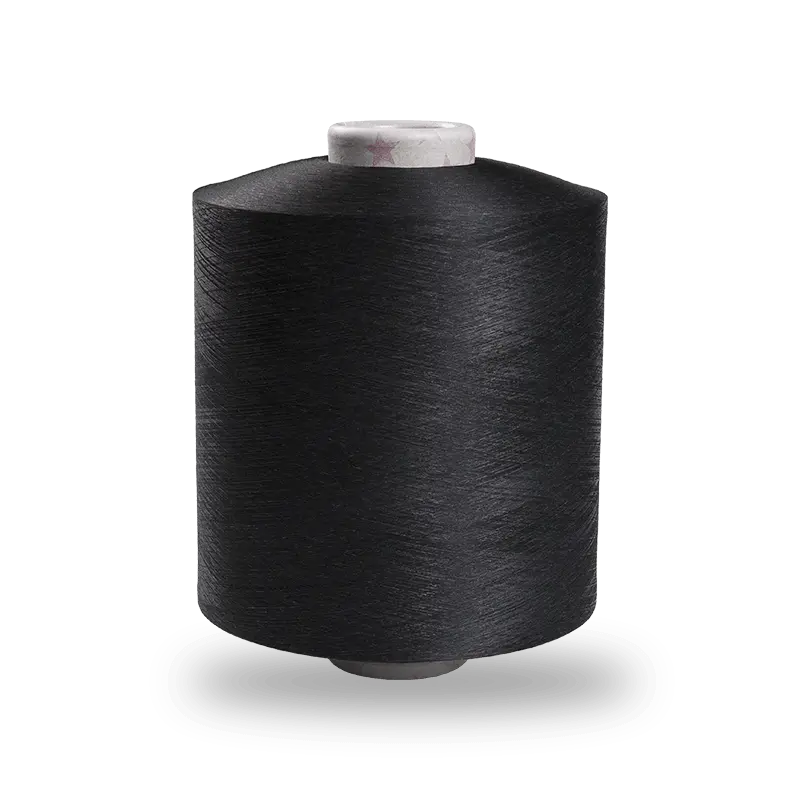
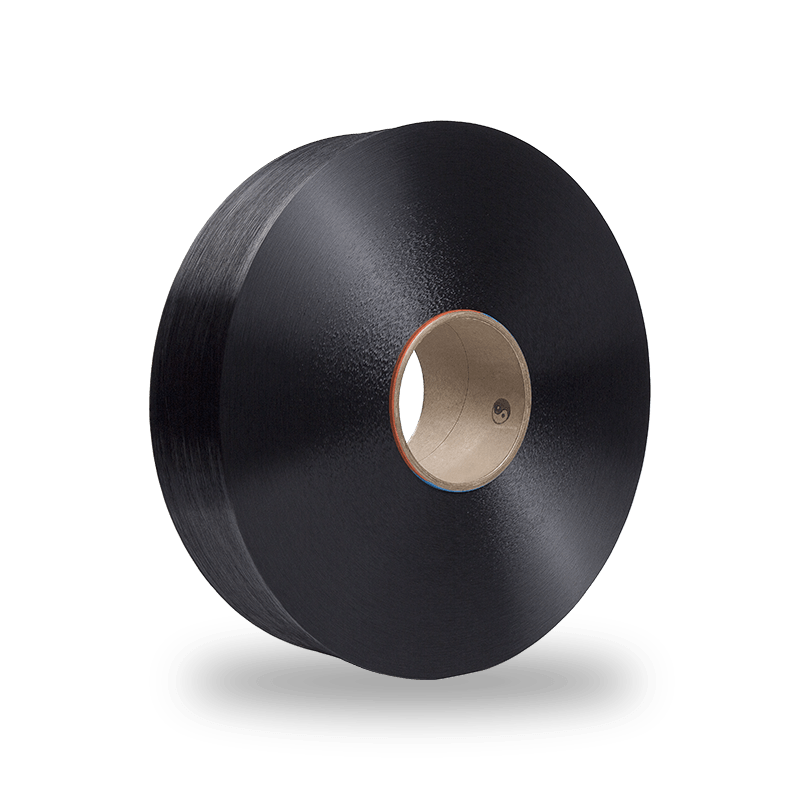 Nylon 6 POY Filament Yarn Manufacturers, Nylon POY FactoryChina Custom Nylon 6 POY Manufacturers, Nylon Partially Oriented Yarn Factory, Nylon POY Suppliers, Century ChenXing offer Wholesale Nylo...View Product →
DTY, or draw-textured yarn, converts POY into an elastic, bulky yarn via false-twist texturing. In this process, the yarn is heated, twisted, untwisted, and set. The chip quality that matters most here is consistency, because any fluctuation in polymer quality will amplify as tension variance in the texturing machine. When chips have high extractables, the heater zone may develop deposits, leading to irregular crimp and a harsh touch.
Our Nylon 6 DTY is produced from POY that was spun in-house from selected chips. That vertical approach lets us monitor chip quality at every stage: at chip intake, after spinning, and again after texturing. We can trace a quality issue back to the chip lot and correct it before it becomes a customer claim.
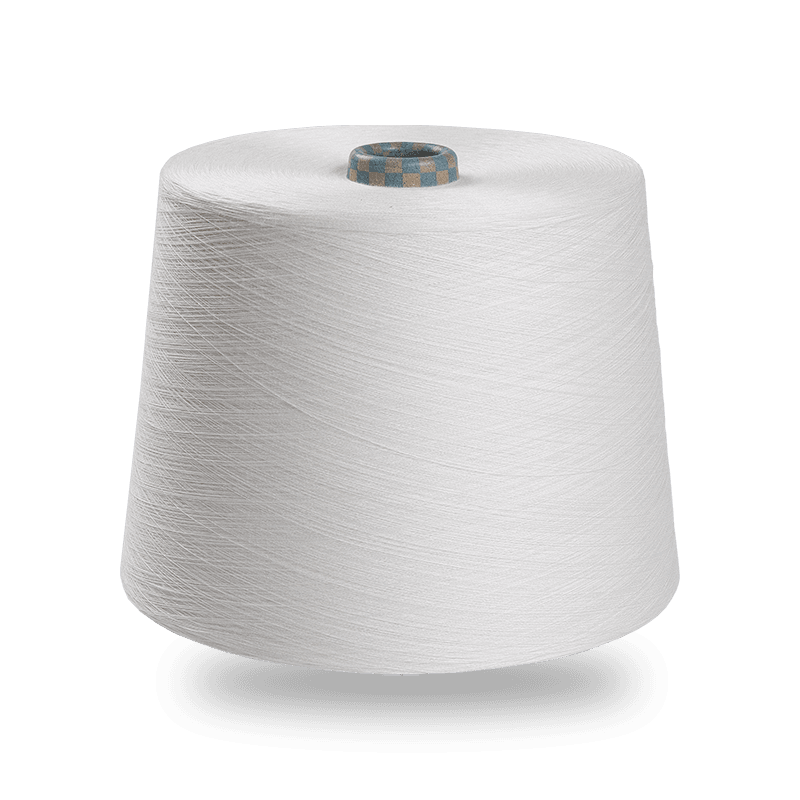
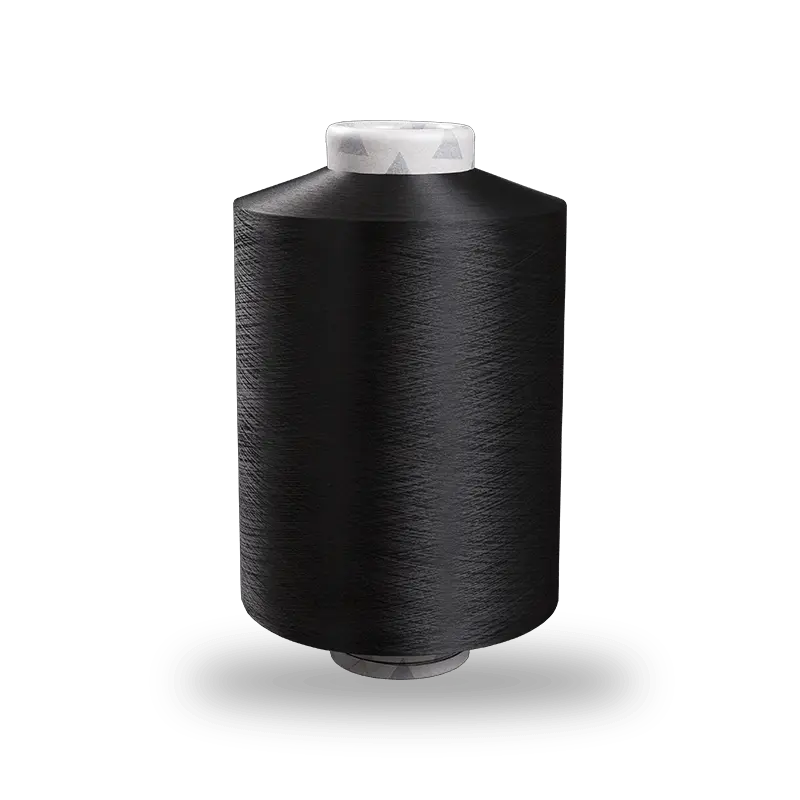 Nylon 6 DTY Filament Yarn Manufacturers, Nylon DTY SuppliersCentury ChenXing offer custom Nylon 6 DTY, Nylon Drawn Textured Yarn Manufacturers and Nylon DTY Suppliers, Factory Wholesale Nylon 6 DTY...View Product →
FDY, or fully drawn yarn, is spun and drawn in one step. Because there is no separate texturing stage, the process needs a polymer that can be stretched immediately after extrusion. This places a premium on chip cleanliness and uniform melt flow. If the chip has contaminants or polymer gel particles, they can appear as thick-and-thin sections in the yarn, which will later show up as stripiness in woven fabric.
Our Nylon 6 FDY line uses chips with carefully controlled relative viscosity and a low oligomer level to maintain the high draw ratio that gives the yarn its strength and dimensional stability. This is especially valuable for warp knitting and high-speed weaving where the yarn must withstand high tension without breaks.
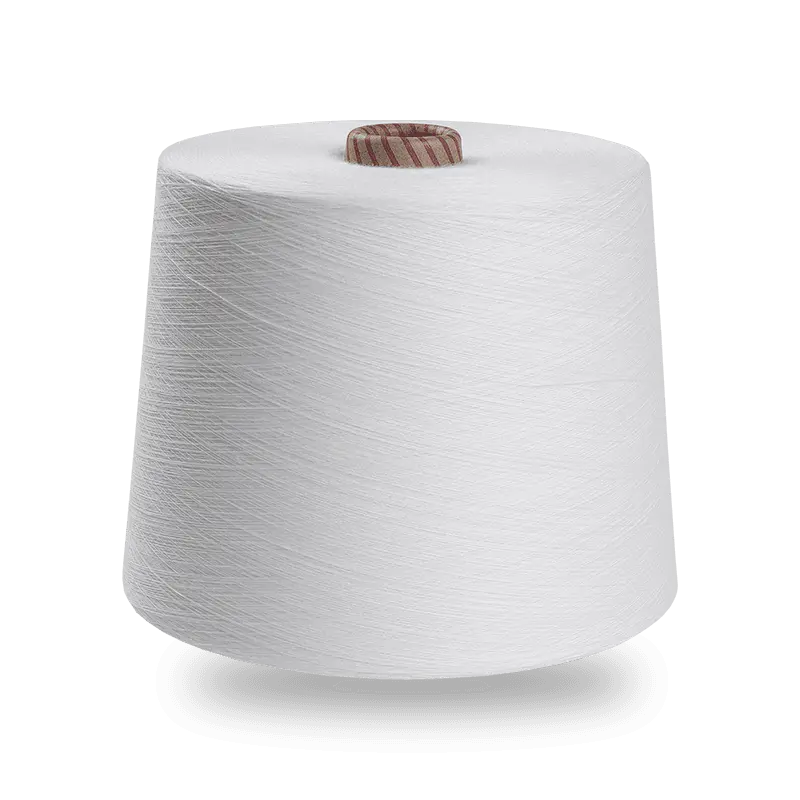
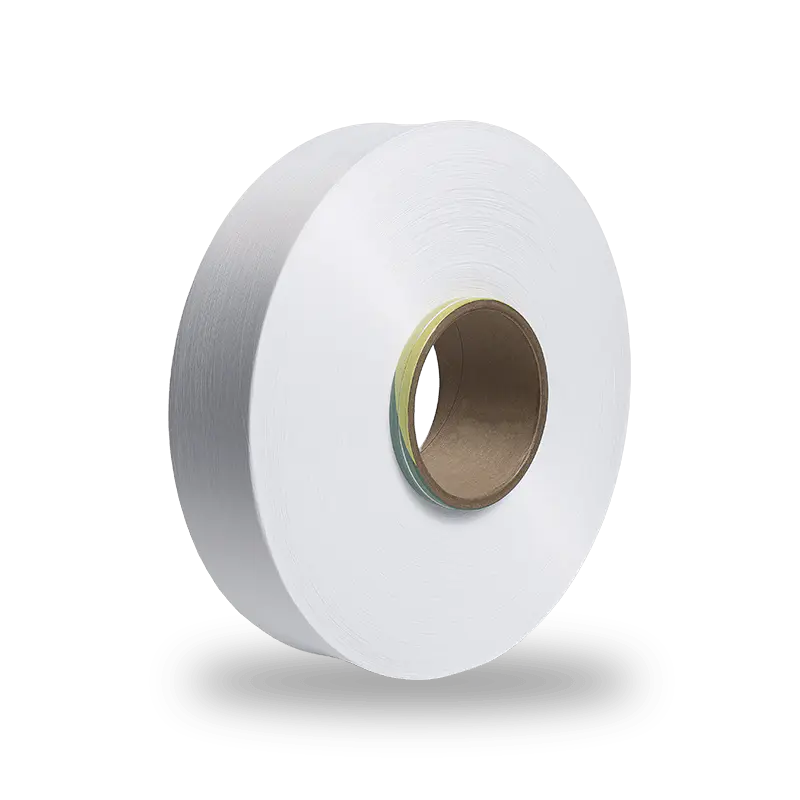 Nylon 6 FDY Manufacturers, Nylon Fully Drawn Yarn FactoryZhejiang Century ChenXing are China Nylon FDY Manufacturers and Custom Nylon 6 FDY Filament Yarn Factory, Nylon 6 FDY Suppliers, Wholesal...View Product →
Once you have a clear specification, the next step is building a sourcing routine that protects your production line. There are several practical measures you can take.
The supply chain for Nylon 6 chips is not just a price negotiation; it is a quality control exercise. Chips that meet the right viscosity, moisture, and extractables specifications will keep your spinnerets clean, your packages uniform, and your dye lots consistent. Chips that fail even one of these parameters will cost you far more than the price difference appeared to save. By paying attention to the technical details and building a sourcing relationship with a manufacturer who understands both chips and yarn, you can turn a small raw material decision into a stable production advantage.
Leggings Yarn Explained: Nylon 6 DTY and Spandex Covered Yarn Sourcing Guide
Choosing Nylon 6 DTY for Hosiery Manufacturing: A Practical Buyer's Guide
+86-(0)572-6295569
+86-193 5712 3632
# 1, Fuqian Street, Si'an Town, Changxing County, Huzhou City, Zhejiang Province, China.