English
 中文简体
中文简体 Español
 عربى
عربى
News
Home / News / Industry News / Leggings Yarn Explained: Nylon 6 DTY and Spandex Covered Yarn Sourcing Guide
Content
Search for "leggings yarn" and you will find two very different conversations. One belongs to crafters who cut old leggings into continuous strips and call that yarn. The other belongs to fabric mills, garment developers, and procurement teams who need the actual yarn that makes leggings stretchy, smooth, and durable. If you are in the second group, the short answer to your sourcing question is this: leggings yarn is a combination of nylon 6 draw textured yarn (DTY) and an elastic component, most commonly spandex covered yarn. The nylon builds the body and surface of the fabric; the spandex delivers the stretch and recovery. From there, every technical decision, from denier and filament count to lustre and covering method, is a refinement of that core recipe.
Knitted leggings need a yarn that is soft against the skin, resistant to abrasion, and able to hold its shape after repeated washing. Nylon 6 DTY is the industry default for that job because false-twist texturing gives the filament crimp, bulk, and elasticity that flat filament cannot match. A typical 40D/24F nylon 6 DTY, for example, produces a fabric with good coverage at moderate weight, while finer 20D or 30D counts are used for lightweight, next-to-skin styles. The textured structure also traps a small amount of air, which improves the dry hand feel that consumers associate with quality activewear.
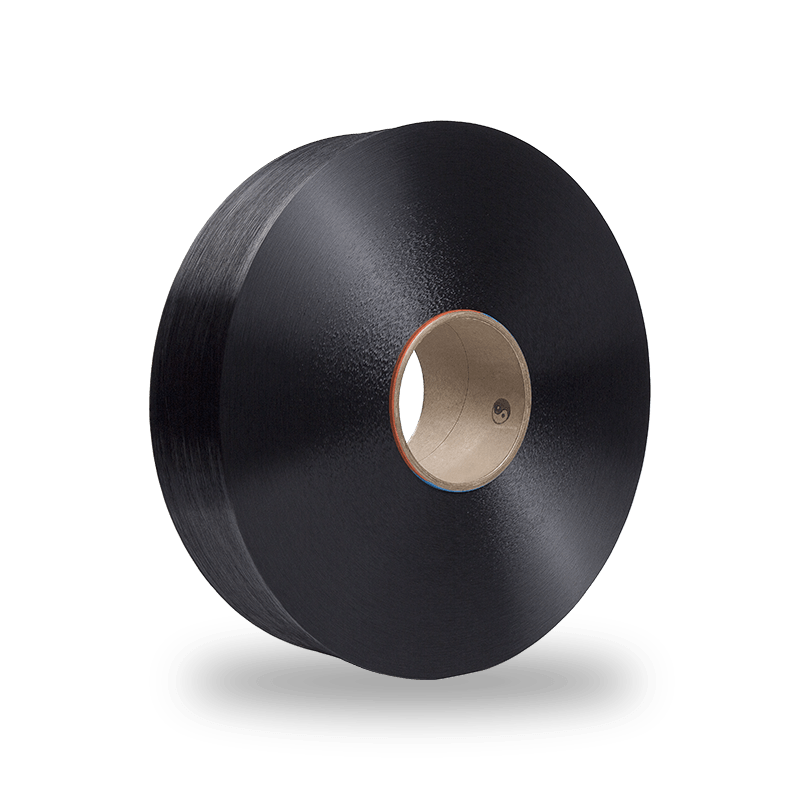
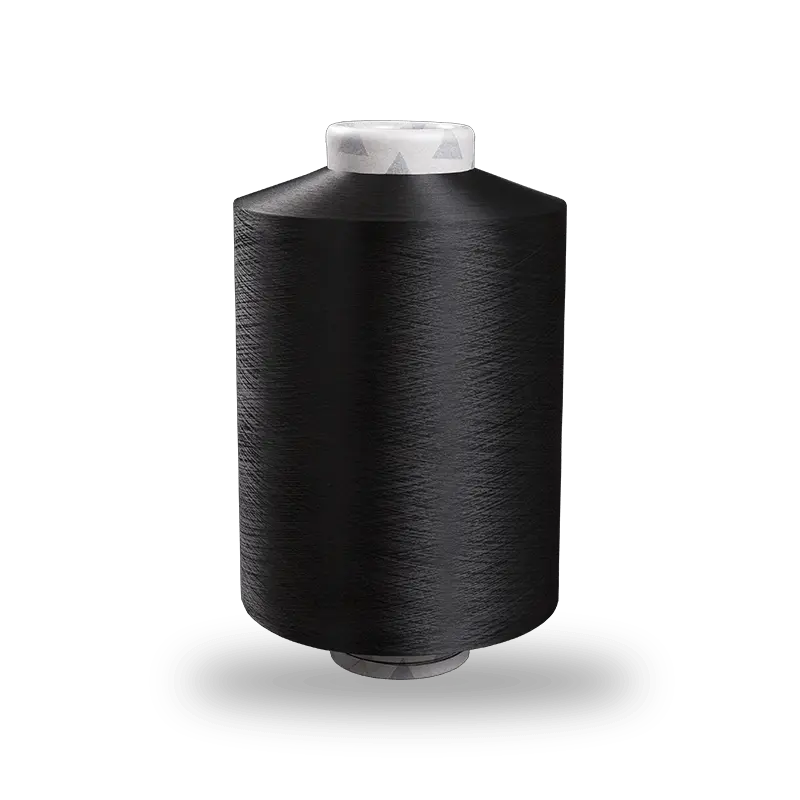 Nylon 6 DTY Filament Yarn Manufacturers, Nylon DTY SuppliersCentury ChenXing offer custom Nylon 6 DTY, Nylon Drawn Textured Yarn Manufacturers and Nylon DTY Suppliers, Factory Wholesale Nylon 6 DTY...View Product →
Why not polyester? Polyester is cheaper and widely used in lower-priced leggings, but nylon 6 offers noticeably better dyeability with acid dyes, a softer hand, and superior elastic recovery. In leggings, where the garment is constantly stretched over the body, recovery matters. A nylon-based fabric returns to its original dimensions better than a polyester one at the same construction. That difference becomes obvious after a few washes, when cheap leggings start to bag at the knees and waist.
Before you finalise your yarn specification, it is worth reading the yarn science behind stretchy apparel, which explains where the stretch and recovery actually come from in the filament structure.
Nylon alone does not make a legging comfortable. Even a highly textured nylon DTY has limited stretch. The elastic performance that wearers expect comes from a spandex core, and the way that spandex is combined with the nylon outer layer determines everything from stretch recovery to fabric smoothness and dyeing consistency.
There are two covering approaches you will encounter in legging yarn sourcing. Air-covered spandex yarn (ACY) intermingles the nylon and spandex filaments using a compressed air jet, producing a yarn with a soft, irregular structure that is ideal for circular knitting. The alternative, often listed as spandex coated wire or machine-cover yarn, wraps the nylon filament around the spandex core under tension. That construction is more even and gives the fabric a cleaner surface, which is why it shows up in compression styles and woven leggings.
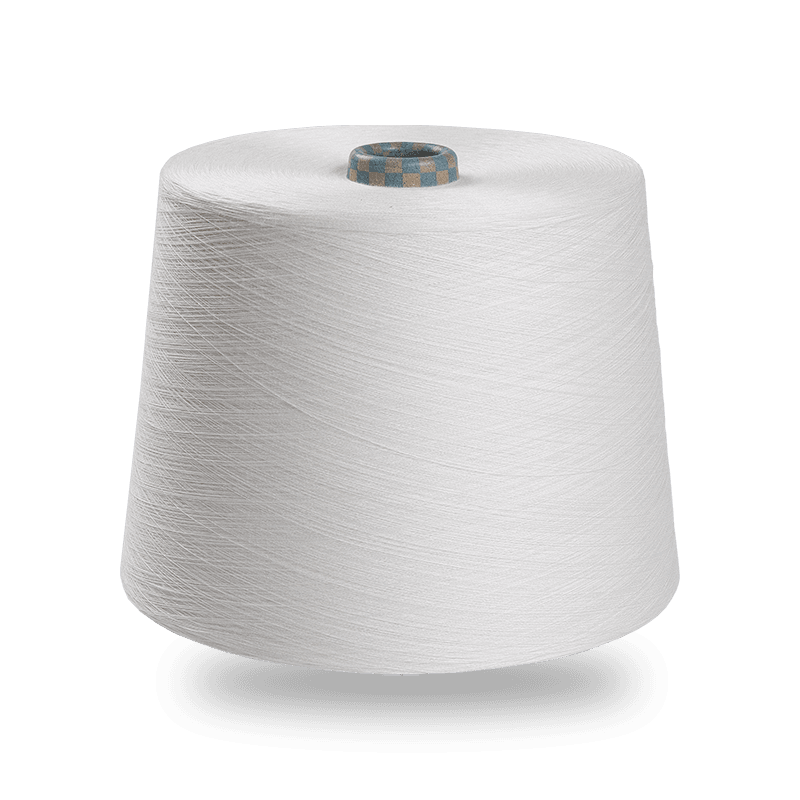
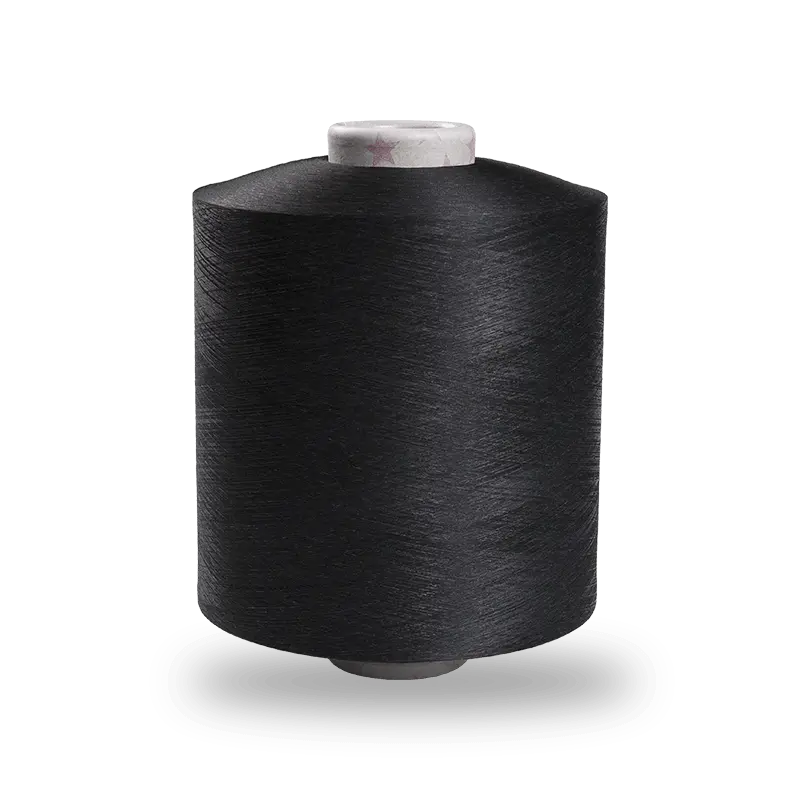 Spandex Covered Nylon Yarn Manufacturers, Suppliers, FactoryWe are China Spandex Covered Nylon Yarn Manufacturers and Suppliers, Wholesale Spandex Nylon Yarn Factory, Century ChenXing offer custom ...View Product →
The practical difference is in how the garment behaves during wear. An air-covered construction tends to feel softer and more breathable, while a machine-covered construction delivers more precise stretch recovery and a smoother outer face. If your product is a high-compression training legging, you will typically specify a covered yarn with higher spandex content or higher elongation. If the target is an everyday knit legging, a 20D nylon over a 20D or 30D spandex core is a common starting point.
Not all leggings are knitted. Woven leggings, ponte-style leggings, and some sculpting garments use flat filament instead of textured yarn to achieve a smooth, firm surface. That is where nylon 6 FDY comes in. Fully drawn yarn is manufactured with stable orientation and low shrinkage, which makes it suitable for warp knitting and weaving processes where the yarn must run evenly at high speed. The trade-off is in the hand feel: FDY fabrics are smoother and more compact, but less bulky and less elastic than DTY fabrics.
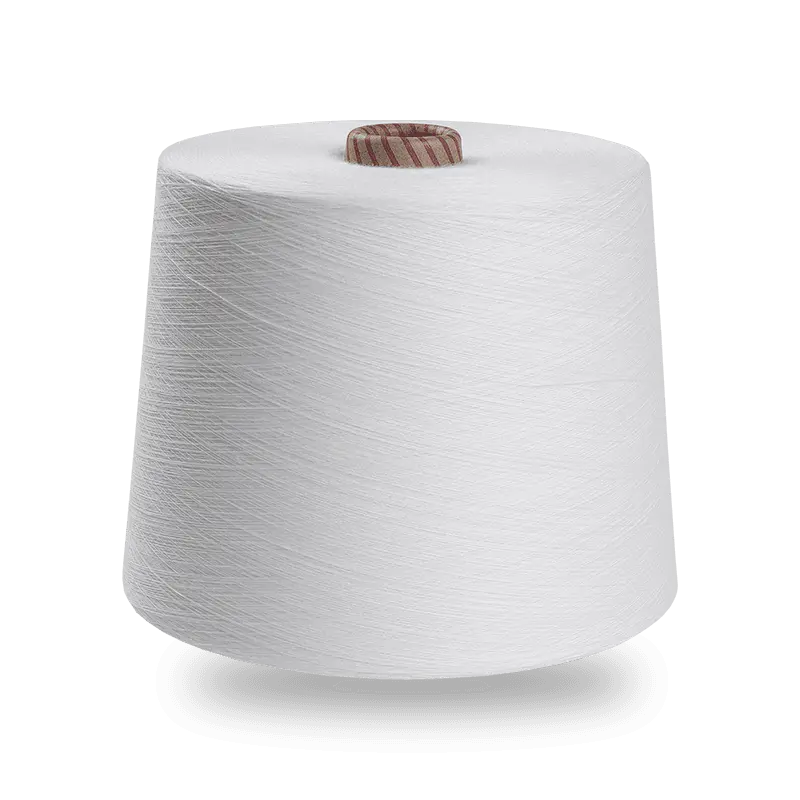
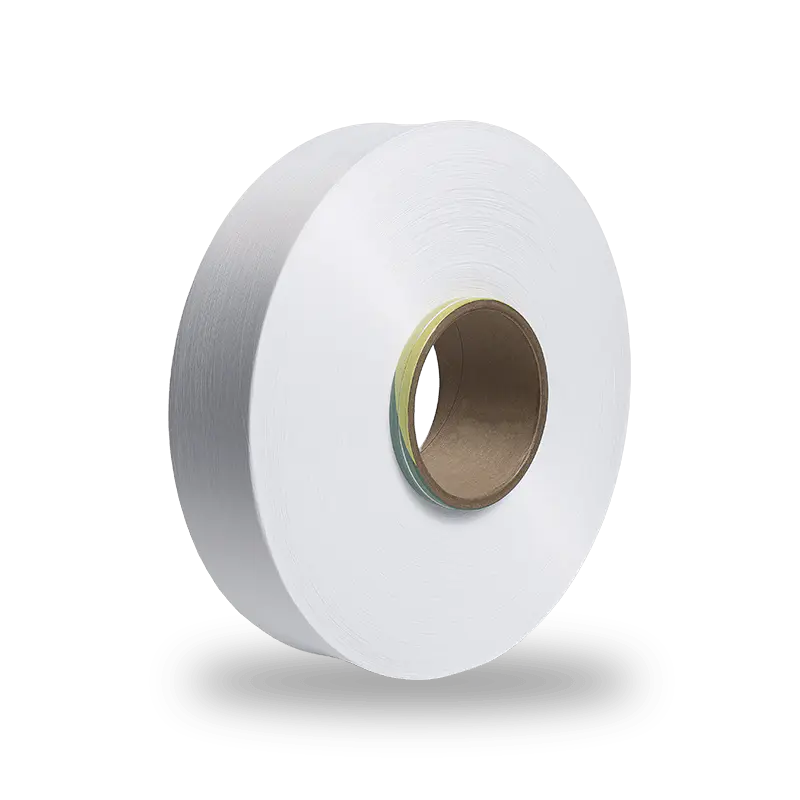 Nylon 6 FDY Manufacturers, Nylon Fully Drawn Yarn FactoryZhejiang Century ChenXing are China Nylon FDY Manufacturers and Custom Nylon 6 FDY Filament Yarn Factory, Nylon 6 FDY Suppliers, Wholesal...View Product →
The table below summarises the typical yarn choice for different legging categories so you can match the product type to the filament.
| Legging category | Primary yarn | Elastic component | Fabric outcome |
|---|---|---|---|
| Daily knit legging | Nylon 6 DTY 40D/24F | Spandex ACY, 20D or 30D core | Soft hand, good coverage, moderate compression |
| Compression or training legging | Nylon 6 DTY 70D/48F or high-elasticity DTY | Machine-covered spandex | Firm support, high stretch recovery, smooth face |
| Lightweight fashion legging | Nylon 6 DTY 20D/24F | Fine spandex core | Ultra-light, breathable, next-to-skin feel |
| Woven or ponte legging | Nylon 6 FDY 50D/24F | Covered spandex or core-spun yarn | Compact, smooth, shape-retaining |
Because leggings yarn is a functional product, the evaluation criteria are different from standard apparel yarn. The checks that matter most are direct and measurable:
You should also look at the supplier's production span. A manufacturer that controls the process from nylon 6 POY through DTY and FDY to spandex covering, rather than buying intermediate yarn on the open market, can keep specifications stable across batches. That matters for shade consistency on repeat orders. Traceability certifications such as GRS, which indicates verified recycled content in nylon production, are another useful signal for brands that need sustainability documentation.
When you have settled on a candidate construction, the fastest way to validate it is to discuss your specification with the technical team before committing to a trial lot. A competent supplier will tell you whether your proposed denier, spandex ratio, and finish are realistic for the fabric weight and silhouette you are targeting.
If you searched for "leggings yarn" because you wanted to recycle old leggings into craft yarn, none of the above applies. The simple DIY method, cutting the fabric into strips and stretching each strip so it rolls into a cord, works well enough for rugs and dog toys. But if the search is a sourcing request for production, the specification that matters is the pairing of nylon 6 DTY with spandex covered yarn, refined through denier, covering method, and quality control. Get that pairing right, and the fabric will deliver the stretch, recovery, and hand feel your customers expect from the first wash to the hundredth.
Swimwear Fabric Guide: Nylon Spandex vs Polyester, Chlorine & UV Ratings
Nylon 6 Chips Explained: A Buyer's Guide to Quality, Viscosity, and Yarn Performance
+86-(0)572-6295569
+86-193 5712 3632
# 1, Fuqian Street, Si'an Town, Changxing County, Huzhou City, Zhejiang Province, China.