English
 中文简体
中文简体 Español
 عربى
عربى
News
Home / News / Industry News / Why Is Siro Spinning Called the Lazy Way to Make Two-Ply Yarn? A Yarn Guide
Content
Spend a shift on a spinning floor and you will hear it sooner or later: Siro spinning is the "lazy way" to make two-ply yarn. The phrase usually arrives with a grin, half joke and half compliment, because the process genuinely does skip a job that generations of spinners assumed could never be skipped.
Instead of spinning two single yarns and then twisting them together on a separate plying machine, Siro spinning drafts two rovings side by side and lets the twist bind them into a two-strand yarn as they leave the front roller. One frame, one pass, one bobbin. The yarn that comes off looks and behaves like a plied yarn, yet the ply winder never runs. That is where the nickname comes from, and understanding why it stuck tells you a great deal about how modern yarns are engineered.
Traditional two-ply production is a two-stage commitment. A ring frame spins each single yarn separately, the bobbins are doffed and transported, and a doubling or ply twister combines the two strands with the required turns per metre. Only then does the yarn move to winding, clearing and packing. Every one of those stages consumes energy, labour, floor space and working capital.
Siro spinning collapses that sequence. The two strands meet inside the spinning position itself, so the yarn leaving the front roller is already a two-strand structure. No separate plying department, no intermediate warehouse full of single yarns, no second twisting invoice. Calling that "lazy" is really an affectionate way of saying the process found a shortcut the rest of the industry had to admire.
If you want a side-by-side view of how the two routes differ in day-to-day practice, we keep a longer discussion in our notes on Siro spun versus ring spun yarn.
The mechanics are simpler to describe than they are to control, which is exactly why the nickname survives. Follow one spinning position through a full cycle:
Because the strands are twisted together as they form, the finished yarn has the architecture of a two-fold yarn rather than a single. Count for count, it is stronger than a single of the same linear density and noticeably less hairy on the surface, which is what makes it so attractive to weavers and knitters.
"Lazy" is really shorthand for a cost structure. Compared with conventional plying, the Siro route removes a long list of operations from the value chain:
Those savings explain why the process spread from fine worsted wool into cotton, viscose, polyester and blended spinning. Where a mill once needed two production departments to deliver a two-ply yarn, one department now delivers a yarn with many of the same properties.
It also changes how a mill plans. Because the two-ply effect is generated at the spinning position, counts shift by adjusting roving weight and drafting rather than by re-planning a plying schedule. Lead times shorten and small lots become economical, which matters a great deal to buyers working on seasonal collections.
The two constructions are not interchangeable in every situation. The table below summarises where each route wins and where it gives ground.
| Aspect | Siro spun two-strand yarn | Conventional two-ply yarn |
|---|---|---|
| Production route | Two rovings drafted and twisted in one pass | Two singles spun, then plied on a separate machine |
| Number of stages | One spinning stage | Spinning plus plying, plus extra winding |
| Structure | Two drafted strands twisted as they form | Two finished singles twisted together |
| Hairiness and pilling | Low; protruding fibres are trapped at the strand junction | Low to moderate, depending on ply twist |
| Colour and effect flexibility | Limited to the rovings supplied | Wide; different colours, fibres and counts can be combined |
| Count range | Best in fine and medium counts | Broad, including heavy counts |
| Relative cost | Lower, with fewer processing steps | Higher, with extra machinery and handling |
| Typical end uses | Shirting, knitwear, uniforms, fine home textiles | Fine worsted through to industrial yarns |
Both routes still depend on solid ring spinning at heart. A mill that cannot hold count and twist on a conventional frame will not hold them on a Siro frame either, which is why the fundamentals of the base process never stop mattering.
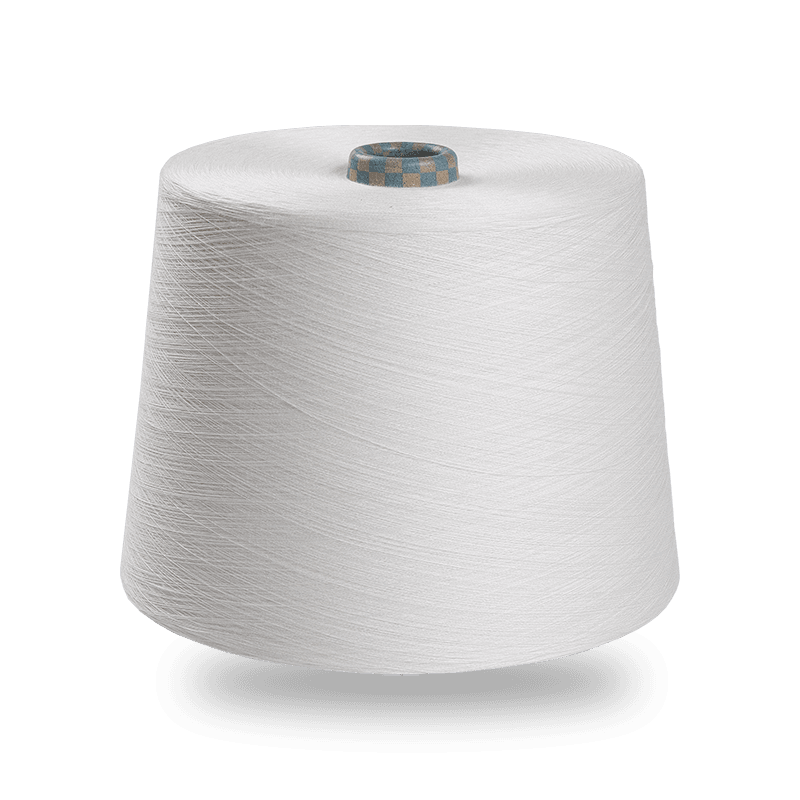 Ring SpunRing spun is a mature and widely used mechanical textile method on the market and is commonly used in the production of various types of short fibers. Century Chenxing...View Product →
The nickname describes the machine's job list, not the skill required to run it. In practice, Siro spinning is more sensitive to process discipline than many conventional routes, because two strands must behave as one.
Roving spacing is the first control point. Set the two rovings too close and they merge before twist can build a clear two-strand structure; set them too far apart and the strands converge unevenly, leaving thin spots that show up as weak places in the fabric.
Tension balance is the second. If one roving runs tighter than its partner, the resulting yarn carries an uneven strand, and the fault is difficult to see on the bobbin but obvious after dyeing or in a knitted panel.
Twist level is the third. Enough twist must be inserted to bind the two strands firmly, but excess twist stiffens the yarn and changes its hand, which matters in knitwear and fine shirting where drape is the whole point.
Roving quality is the fourth. Both rovings must match in count, blend and evenness. In a conventional ply route, a weak single can sometimes be compensated downstream; in Siro spinning, a weak roving simply becomes a weak strand.
Then there is the compact variant. Siro Compact Spun adds a compacting zone after drafting, tightening the fibre arrangement before twist is inserted. Hairiness drops further, strength improves, and the yarn becomes easier to weave at high speed with fewer warp breaks.
When the count sits in the right range and the fibre blend suits the machinery, Siro spun yarn delivers a plied look without a plied price. It is a natural fit for:
For mills that weave and knit their own fabric, the benefit compounds: fewer yarn breaks, less loom downtime, cleaner dyeing and a more predictable final hand.
Our own spinning operations run Siro spun and Siro compact spun yarns alongside conventional ring spun qualities, so we see both sides of the argument every day.
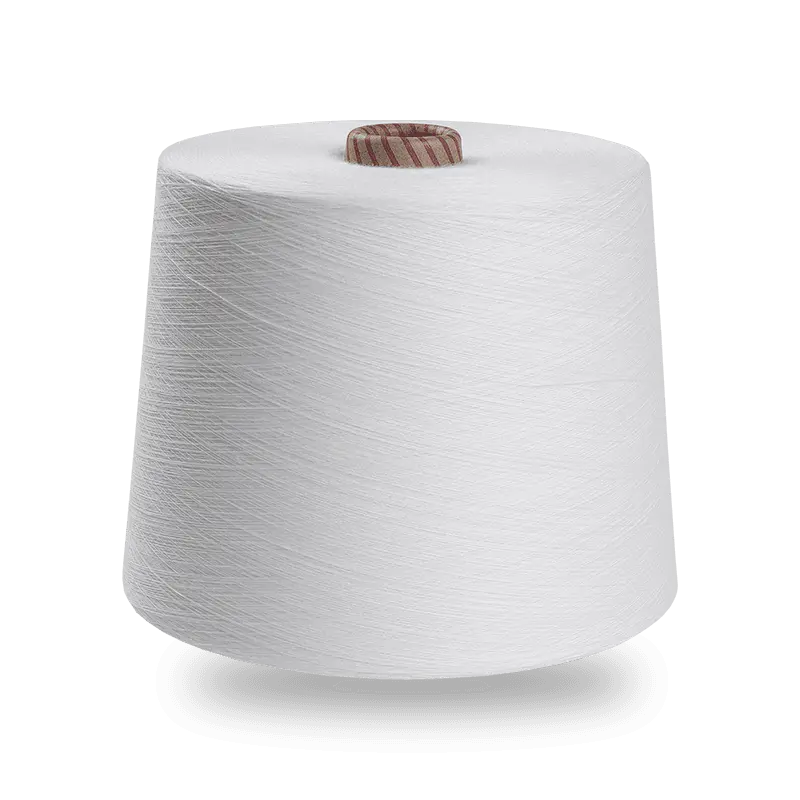 Siro SpunSiro spun, also known as double twist spinning or AB yarn, is a textile method in which two rovings are stretched and twisted into a ply-like yarn, and then wound on a...View Product →
A supplier's process discipline is easier to verify than to describe. When you are comparing offers, ask for data on the points that actually separate a good Siro yarn from an average one:
Where a design genuinely needs two different colours or two different fibre types in one yarn, conventional plying remains the right answer. Siro spinning is not a universal replacement; it is a route that removes cost when the design allows it.
Siro spinning earned its "lazy" reputation by deleting a step that the industry once considered mandatory, and it has kept that reputation because the deleted step was an expensive one. The yarn still has to draft, twist and wind like any other quality, and every improvement in hairiness or strength comes from tighter control rather than from luck.
So the next time someone on the floor calls it the lazy way, it is fair to smile and agree, then add the second half of the sentence: lazy for the machine, demanding for the people who set it. That balance is what makes the process worth specifying. If you are weighing Siro spun against a true plied construction for an upcoming programme, our team is glad to review specifications and share what works in production, and you can start with a look at our spinning and texturing operations.
+86-(0)572-6295569
+86-193 5712 3632
# 1, Fuqian Street, Si'an Town, Changxing County, Huzhou City, Zhejiang Province, China.